
Product Overview
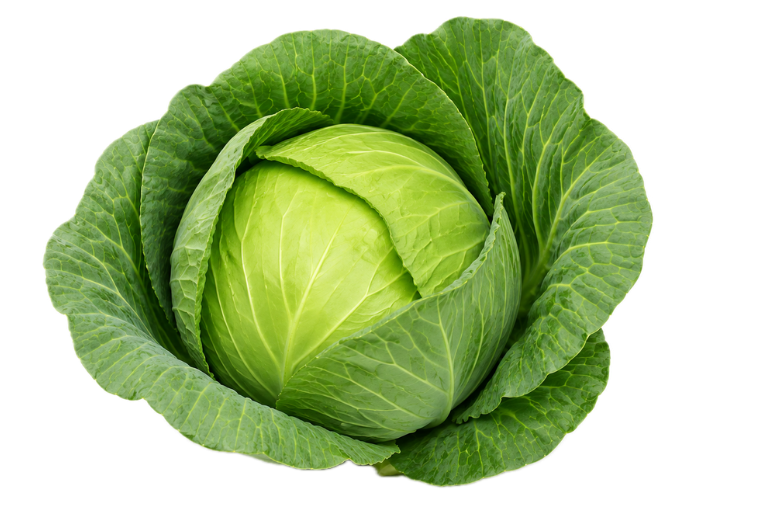
Cabbage is a widely consumed leafy vegetable known for its dense head, crisp texture, and versatility in both fresh and processed applications. It is a key commodity in global produce markets due to its long shelf life, ease of transportation, and adaptability across a wide range of cuisines. Cabbage is commonly used in salads, cooking, fermentation, and industrial food processing.
Key Characteristics
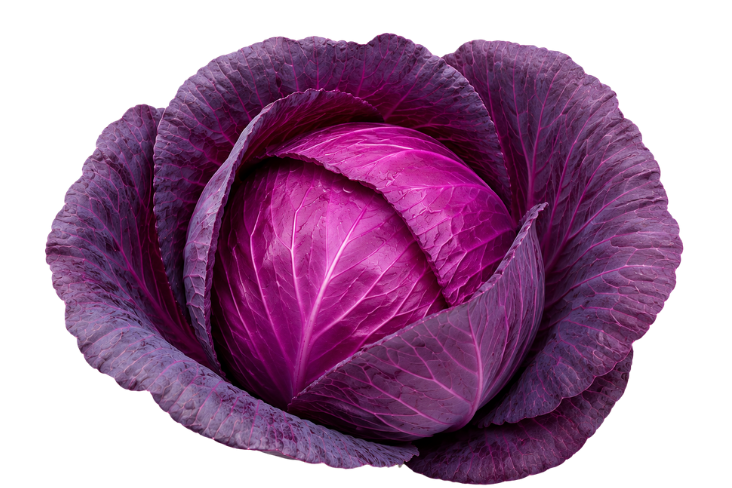
Cabbage forms a compact head composed of tightly layered leaves. Texture is firm and crunchy when fresh, becoming tender upon cooking. Flavor ranges from mild and slightly sweet to more pronounced and earthy depending on the variety. Leaf color varies from light green to deep red or purple. It is a hardy vegetable with good resistance to handling and storage conditions.
Nutritional Value
Cabbage is a good source of vitamin C and vitamin K, along with dietary fiber. It also contains antioxidants and beneficial plant compounds. Low in calories and high in water content, cabbage is widely included in balanced diets and health-focused food plans.
Seasonality and Origin
Cabbage is grown in temperate climates worldwide, with major production in countries such as China, India, Russia, and the United States. It is cultivated in multiple seasons and is available year-round due to staggered planting and storage capabilities.
Common Applications
• Fresh consumption in salads and coleslaw
• Cooking in soups, stews, and stir-fries
• Fermentation (sauerkraut, kimchi)
• Stuffed cabbage dishes
• Pickling and preservation
• Industrial food processing
Storage and Handling
Proper storage helps maintain freshness and extend shelf life.
• Recommended storage temperature: 32°F to 34°F
• Relative humidity: 90–95%
• Store in well-ventilated conditions
• Keep outer leaves intact to protect the head
• Avoid prolonged exposure to moisture to prevent decay
• Handle carefully to avoid bruising and leaf damage
Origin and Background
Cabbage has been cultivated for thousands of years and is believed to have originated in Europe. It has since spread globally and become a staple vegetable in many cuisines. Modern cultivation focuses on yield, uniform head formation, disease resistance, and improved storage life.
Grades and Quality Standards
| U.S. Grade Standards | Days Since Shipment | % of Defects Allowed | Optimum Transit Temp. (F) |
| 10-2 | 5 4 3 2 1 | 15-4 14-4 13-3 11-2 10-2 | 32° |
Extra Fancy Grade
• Firm, compact heads
• Uniform size and shape
• Fresh, crisp leaves with good color
• Free from defects and decay
Fancy Grade
• Slight variations in size and shape
• Minor leaf damage or cosmetic imperfections allowed
• Suitable for retail and wholesale markets
Commercial / Processing Grade
• Visible defects permitted
• May include looser heads or outer leaf damage
• Used for processing, fermentation, and cooking
Types of Cabbage
Green
Green cabbage has pale to medium green leaves forming a dense, round head. It has a mild flavor and crisp texture, making it suitable for salads, coleslaw, and cooking applications.
Red
Red cabbage features deep purple-red leaves with a slightly stronger, peppery flavor compared to green varieties. It is commonly used in salads, pickling, and as a colorful addition to dishes.