
Product Overview
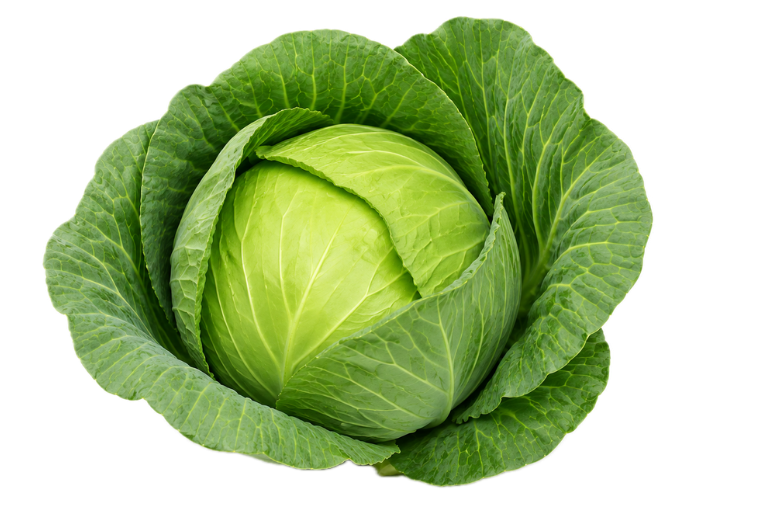
Green cabbage is one of the most widely cultivated and consumed leafy vegetables in the world, belonging to the Brassica oleracea species. It is valued for its dense head structure, crisp texture, mild flavor, and versatility across fresh, cooked, and processed food applications. Green cabbage is extensively utilized in retail, food service, and food manufacturing sectors due to its affordability, nutritional value, and excellent storage characteristics.
Key Characteristics
Green cabbage forms a compact, round head composed of tightly layered leaves ranging in color from light green to deep green. The inner leaves are typically lighter in color and more tender than the outer layers. The texture is crisp and firm, with a mildly sweet and slightly peppery flavor that becomes sweeter when cooked. Green cabbage is highly durable and well suited for long-distance transportation and storage.
Nutritional Value
Green cabbage is low in calories and an excellent source of vitamin C and vitamin K. It also provides dietary fiber, folate, potassium, and small amounts of calcium and magnesium. As a cruciferous vegetable, green cabbage contains antioxidants and beneficial phytonutrients that contribute to its nutritional profile.
Seasonality and Origin
Peak Season: Fall through Winter
Green cabbage is cultivated in temperate regions worldwide. Major production areas include China, India, Russia, South Korea, Japan, the United States, and various European countries. Due to staggered planting schedules and storage capabilities, green cabbage is available year-round in most commercial markets.
Common Applications
• Fresh salads and coleslaw
• Soups and stews
• Stir-fried dishes
• Stuffed cabbage preparations
• Fermented products such as sauerkraut
• Cooked vegetable side dishes
• Food processing applications
Storage and Handling
Proper storage is essential to maintain freshness and maximize shelf life.
• Recommended storage temperature: 32°F to 34°F
• Relative humidity: 95–100%
• Shelf life: 2–6 months under optimal conditions
• Store in a refrigerated, high-humidity environment
• Maintain adequate ventilation during storage
• Avoid excessive handling to prevent leaf damage
• Remove damaged outer leaves as needed
• Protect from ethylene exposure to maintain quality
Origin and Background
Cabbage is believed to have originated in Europe and has been cultivated for thousands of years as a staple vegetable crop. Green cabbage became the dominant commercial variety due to its adaptability, storage life, and broad culinary applications. Today, it is one of the most important vegetable crops globally, with modern production focusing on yield, disease resistance, uniformity, and postharvest quality.
Grades and Quality Standards
Extra Fancy Grade
• Uniform size, shape, and green coloration
• Dense, compact head structure
• Crisp leaves with excellent internal quality
• Free from bruising, decay, insect damage, and defects
• Excellent appearance and freshness
Fancy Grade
• Slight variations in size, shape, and color permitted
• Minor cosmetic imperfections allowed
• Suitable for retail and food service distribution
Commercial / Processing Grade
• Greater variation in appearance and size allowed
• May contain minor external defects or blemishes
• Used for shredding, coleslaw production, fermentation, processing, and food manufacturing applications