
Product Overview
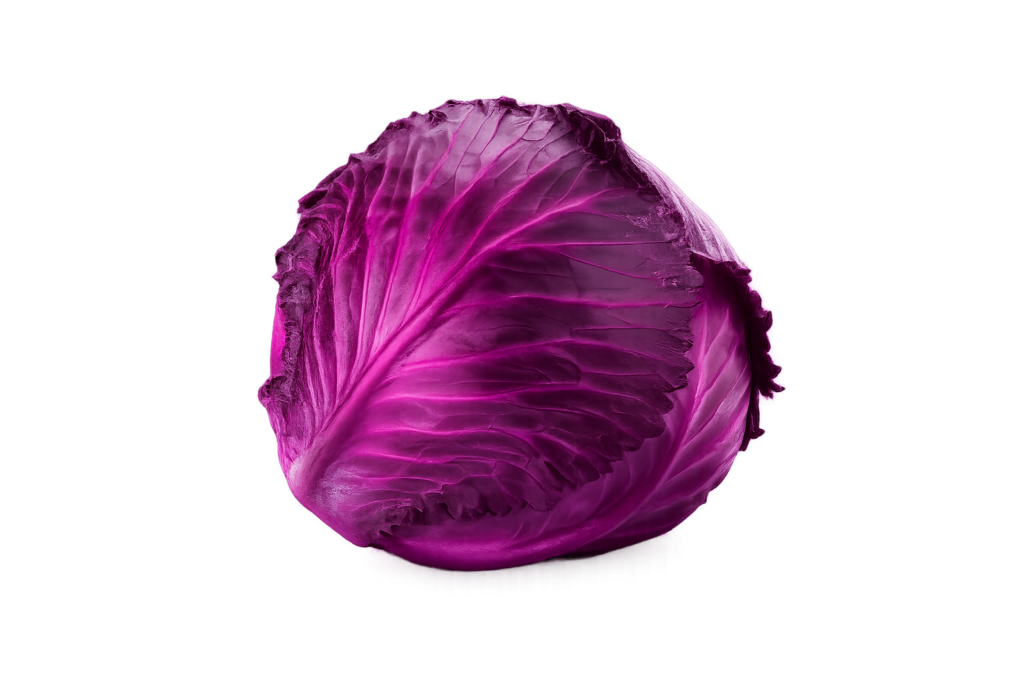
Red cabbage is a colorful leafy vegetable belonging to the Brassica oleracea species and is closely related to green cabbage. It is valued for its vibrant purple-red coloration, crisp texture, nutritional benefits, and versatility in fresh and cooked applications. Red cabbage is widely marketed in retail, food service, and food processing sectors due to its visual appeal, long shelf life, and adaptability to a variety of culinary uses.
Key Characteristics
Red cabbage forms a dense, compact head composed of tightly layered leaves that range in color from deep red to purple, depending on growing conditions and soil pH. The leaves are firm, crisp, and slightly thicker than those of green cabbage. Red cabbage offers a mildly peppery and slightly sweeter flavor than green cabbage, making it suitable for both raw and cooked preparations. Its vibrant pigments may change color when exposed to acidic or alkaline ingredients during cooking.
Nutritional Value
Red cabbage is low in calories and an excellent source of vitamin C and vitamin K. It also provides dietary fiber, folate, potassium, and manganese. The vegetable is rich in anthocyanins, powerful antioxidants responsible for its red-purple coloration, as well as other beneficial phytonutrients commonly found in cruciferous vegetables.
Seasonality and Origin
Peak Season: Fall through Winter
Red cabbage is cultivated in temperate growing regions worldwide. Major production areas include China, India, Germany, Poland, the Netherlands, the United States, and various European countries. Through staggered planting schedules and cold storage systems, red cabbage is available year-round in commercial markets.
Common Applications
• Fresh salads and slaws
• Garnishes and vegetable platters
• Pickled products
• Stir-fried dishes
• Braised cabbage preparations
• Soups and stews
• Food processing applications
Storage and Handling
Proper storage is essential to maintain freshness, color, and texture.
• Recommended storage temperature: 32°F to 34°F
• Relative humidity: 95–100%
• Shelf life: 2–5 months under optimal conditions
• Store in a refrigerated, high-humidity environment
• Maintain proper ventilation during storage
• Avoid excessive handling to prevent leaf damage
• Remove damaged outer leaves when necessary
• Protect from ethylene exposure to preserve quality
Origin and Background
Red cabbage originated from cultivated cabbage varieties developed in Europe through selective breeding. Its unique coloration results from naturally occurring anthocyanin pigments, which have contributed to its popularity in fresh and specialty produce markets. Over time, red cabbage became widely cultivated due to its attractive appearance, nutritional value, and storage capabilities. Modern production focuses on uniform color development, head density, disease resistance, and postharvest quality.
Grades and Quality Standards
Extra Fancy Grade
• Uniform size, shape, and deep red-purple coloration
• Dense, compact head structure
• Crisp leaves with excellent internal quality
• Free from bruising, decay, insect damage, and defects
• Excellent appearance and freshness
Fancy Grade
• Slight variations in size, shape, and color intensity permitted
• Minor cosmetic imperfections allowed
• Suitable for retail and food service distribution
Commercial / Processing Grade
• Greater variation in appearance and size allowed
• May contain minor external defects or blemishes
• Used for shredding, salads, pickling, processing, and food manufacturing applications