Product Overview
Radishes are fast-growing root vegetables valued for their crisp texture, pungent flavor, and strong presence in fresh produce markets. They are widely used in salads, garnishes, and culinary preparations across global cuisines. Radishes are known for their short cultivation cycle, consistent supply, and adaptability to different climates, making them a reliable commodity for both local and international markets.
Key Characteristics
Radishes vary in size, shape, and color depending on the variety, ranging from small round bulbs to long cylindrical roots. Skin color can be red, white, black, or a combination. The flesh is typically white, crisp, and juicy with a sharp, peppery flavor that can intensify with maturity. Texture remains firm when fresh but can soften over time if not properly stored.
Nutritional Value
Radishes are low in calories and provide vitamin C, along with small amounts of potassium and folate. They also contain antioxidants and compounds that contribute to their characteristic pungent taste. Their high water content makes them refreshing and hydrating.
Seasonality and Origin
Radishes are grown in temperate climates and can be cultivated year-round in suitable conditions. They are widely produced in regions across Asia, Europe, and North America, with continuous supply due to their short growing cycle.
Common Applications
• Fresh consumption in salads and slaws
• Garnishes and decorative plating
• Pickling and fermentation
• Cooking in soups and stir-fries
• Traditional dishes in various cuisines
Storage and Handling
Proper storage helps maintain crispness and flavor.
• Recommended storage temperature: 32°F to 34°F
• Relative humidity: 95–100%
• Remove leafy tops before storage to reduce moisture loss
• Store in perforated plastic bags or containers
• Keep away from ethylene-producing produce
• Maintain moisture to prevent wilting
Origin and Background
Radishes have been cultivated since ancient times and are believed to have originated in Southeast Asia or the Mediterranean region. They have been widely adopted across cultures due to their ease of cultivation and rapid growth. Modern varieties are developed for uniform size, improved flavor, and better shelf life.
Grades and Quality Standards
Extra Fancy Grade
• Uniform size and shape
• Bright, consistent color
• Firm texture with no cracks or pithiness
• Free from decay and damage
Fancy Grade
• Minor variations in size and appearance
• Slight surface imperfections allowed
• Suitable for retail markets
Commercial / Processing Grade
• Visible defects permitted
• May include irregular shapes or sizes
• Used for processing, pickling, or cooking
Types of Radish
Black
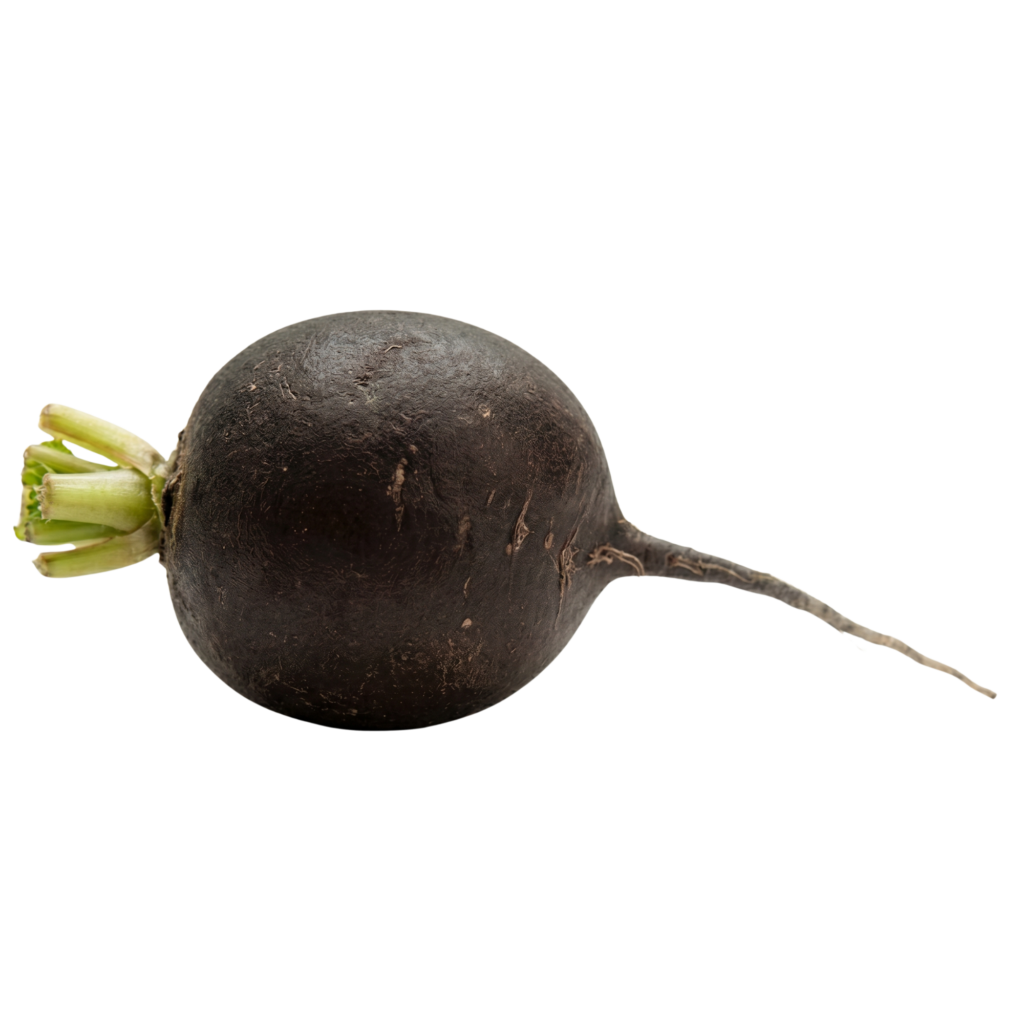
Black radishes have a dark, rough outer skin with white flesh inside. They are known for a stronger, more pungent flavor compared to other types and are often used in cooking or traditional preparations.
Long
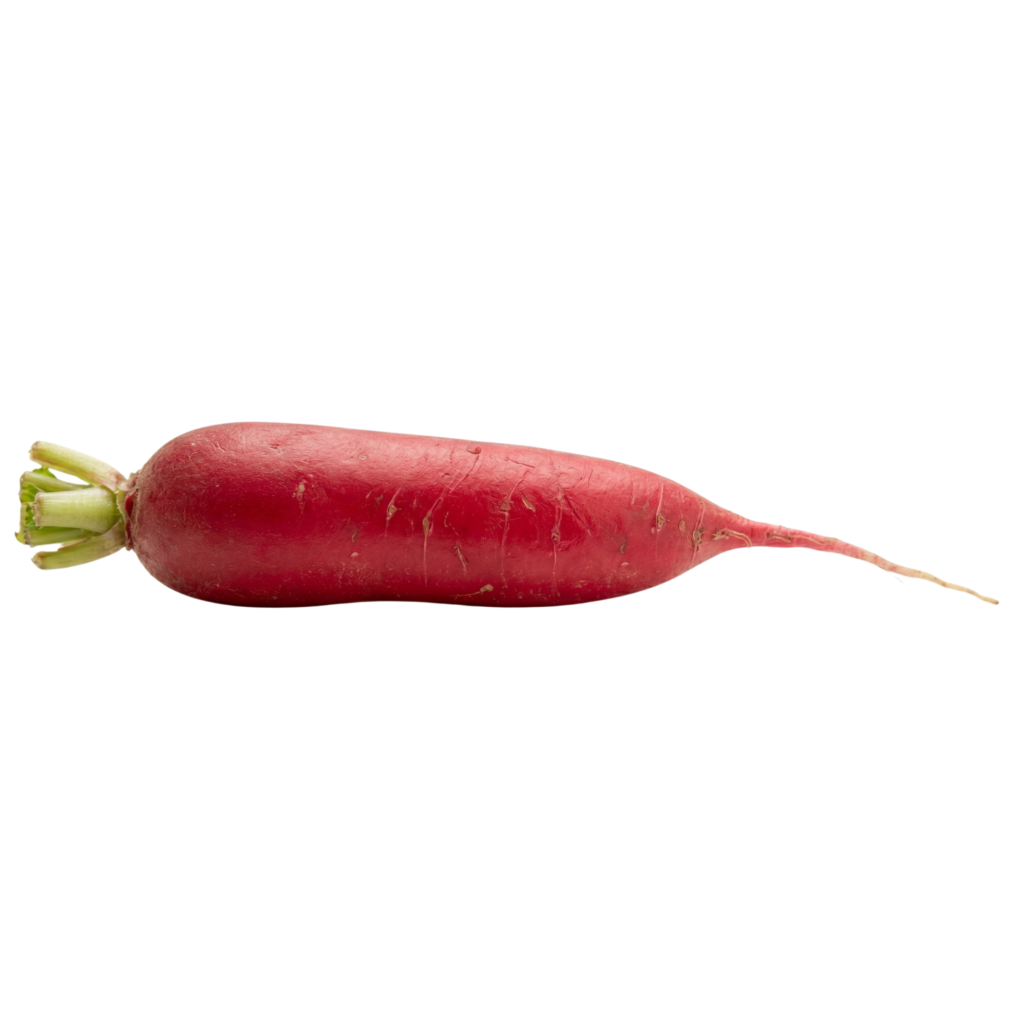
Also known as daikon-type radishes, these are elongated with white skin and mild flavor. They have a crisp texture and are widely used in Asian cuisines for salads, pickling, and cooking.
Red
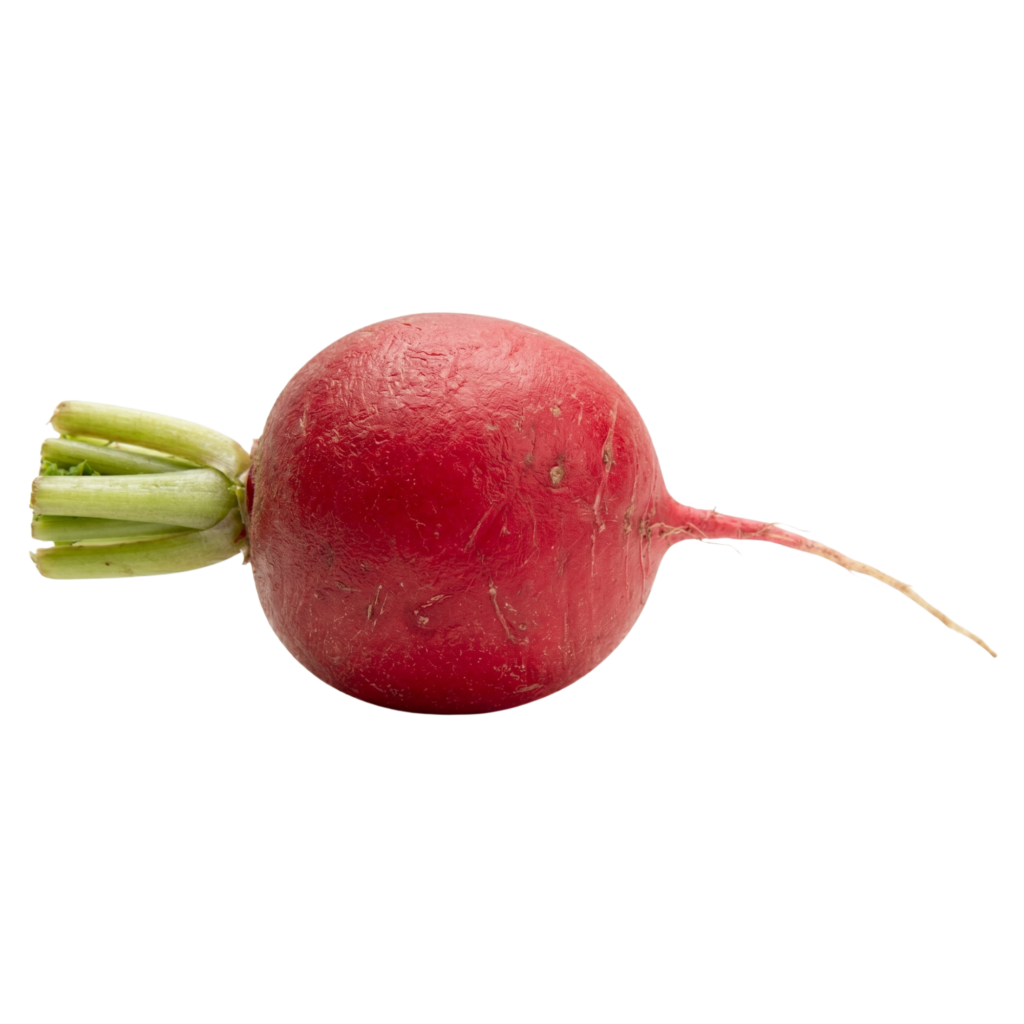
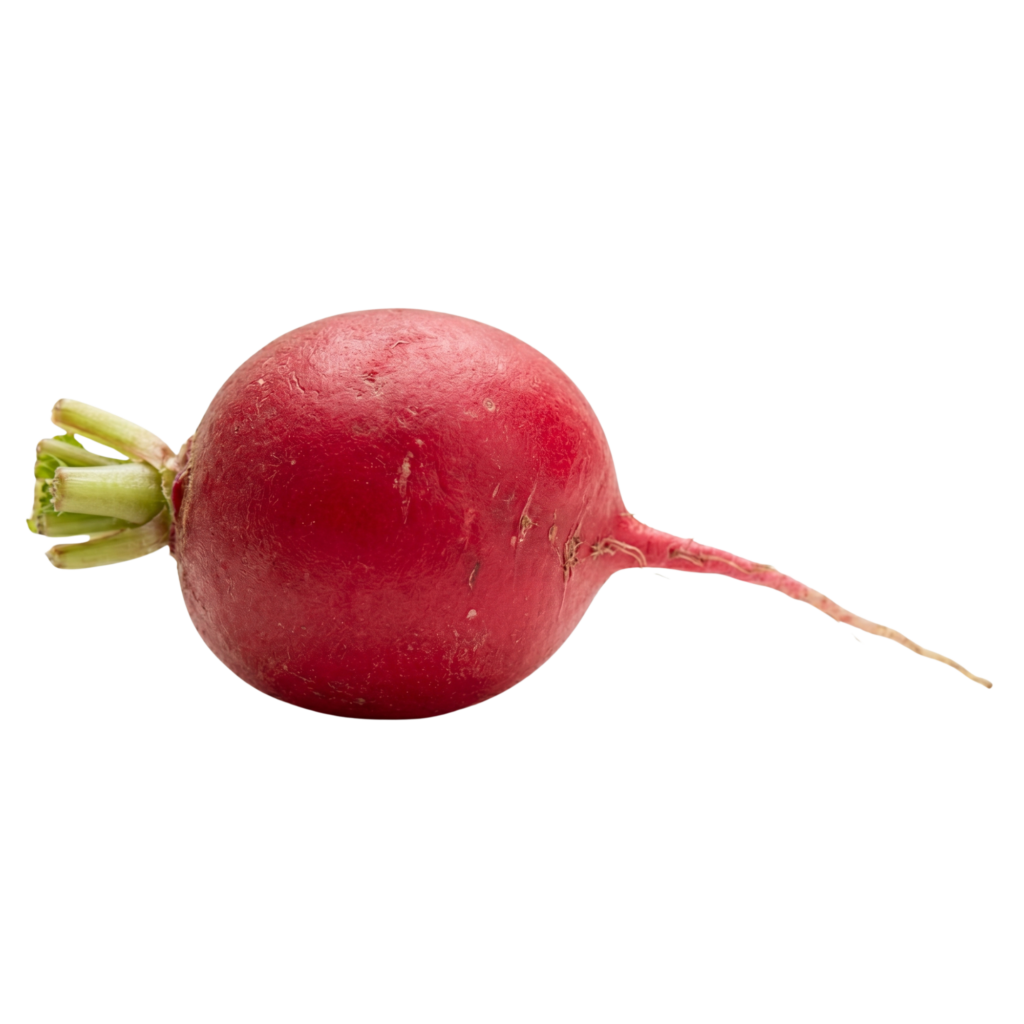
Red radishes are small, round, and bright red with a white interior. They have a mild to moderately sharp flavor and are commonly used in fresh salads and garnishes.