
Product Overview
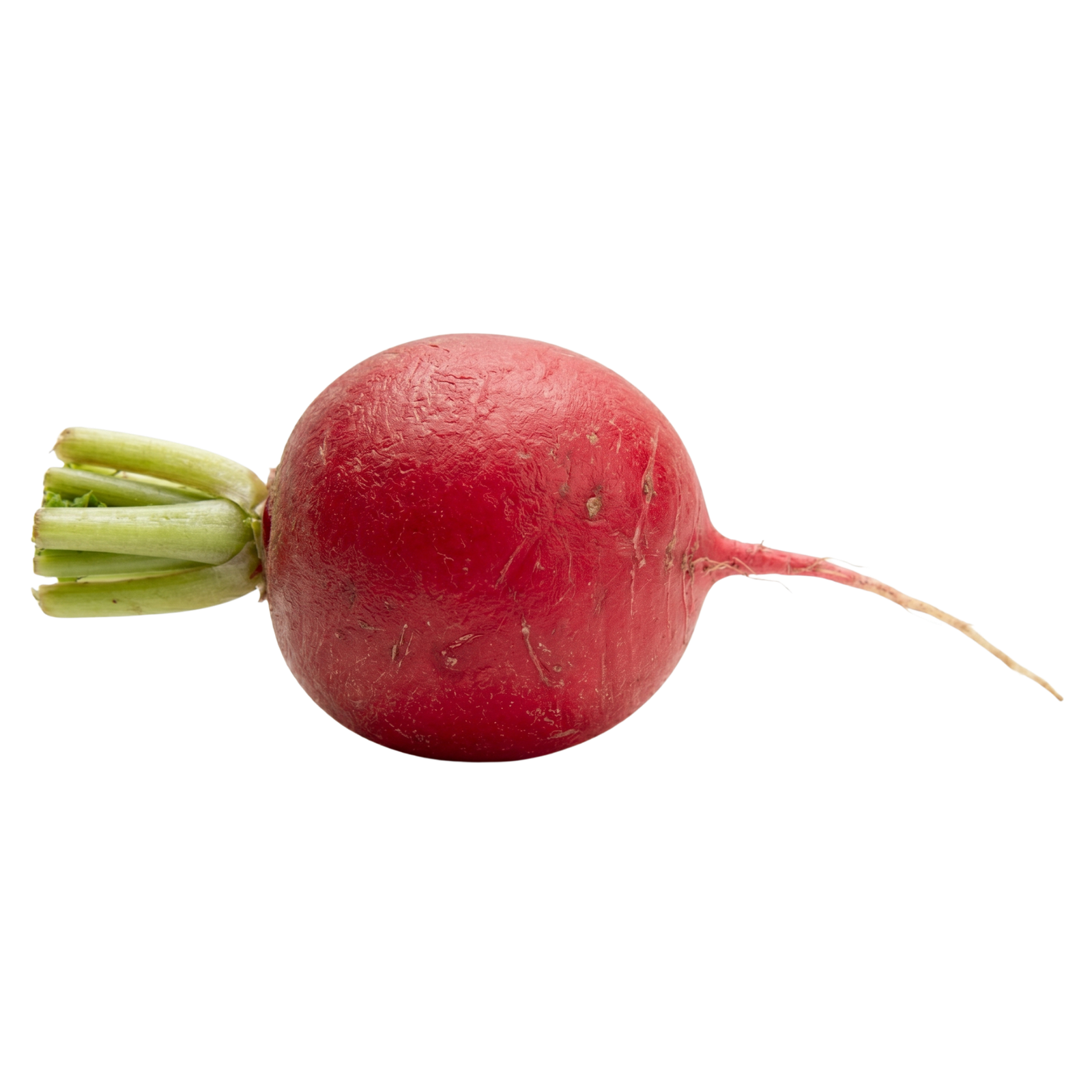
Red radish is a widely cultivated root vegetable belonging to the Raphanus sativus species. It is valued for its crisp texture, vibrant red skin, peppery flavor, and versatility in fresh market applications. Red radishes are commonly sold fresh and are popular in retail, food service, and fresh-cut produce sectors due to their attractive appearance, rapid growth cycle, and nutritional benefits.
Key Characteristics
Red radishes are small to medium-sized round or slightly oval roots with smooth, bright red skin and crisp white flesh. They possess a distinctive peppery flavor that ranges from mild to moderately pungent depending on variety and growing conditions. The roots are firm and crunchy, while the attached green tops are also edible in some culinary applications. Red radishes are typically harvested while young to maintain tenderness and optimal flavor.
Nutritional Value
Red radishes are low in calories and provide dietary fiber, vitamin C, folate, and potassium. They also contain antioxidants and naturally occurring sulfur compounds that contribute to their characteristic flavor. Their high water content and nutrient density make them a popular ingredient in fresh and healthy food preparations.
Seasonality and Origin
Peak Season: Spring and Fall
Red radishes are cultivated in temperate regions worldwide. Major production areas include the United States, Mexico, China, India, South Korea, and various European countries. Due to their short growing cycle and staggered planting schedules, red radishes are available year-round in many commercial markets.
Common Applications
• Fresh salads
• Vegetable platters and garnishes
• Sandwiches and wraps
• Pickled products
• Roasted vegetable dishes
• Fresh-cut produce applications
• Specialty culinary preparations
Storage and Handling
Proper storage is essential to maintain crispness and extend shelf life.
• Recommended storage temperature: 32°F to 34°F
• Relative humidity: 95–100%
• Shelf life: 2–4 weeks under optimal conditions
• Remove tops before extended storage to reduce moisture loss
• Store in a refrigerated, high-humidity environment
• Avoid freezing temperatures that may damage texture
• Handle carefully to prevent bruising and skin damage
• Maintain good air circulation during storage
Origin and Background
Radishes are believed to have originated in Asia and the Mediterranean region, where they have been cultivated for thousands of years. Red radishes became one of the most popular commercial varieties due to their attractive appearance, rapid maturity, and consumer appeal. Modern production focuses on uniform root shape, color development, flavor consistency, and disease resistance while maintaining high-quality fresh market standards.
Grades and Quality Standards
Extra Fancy Grade
• Uniform size, shape, and bright red coloration
• Firm texture with crisp white flesh
• Smooth skin free from cracks and defects
• Free from bruising, decay, and insect damage
• Fresh, healthy tops when attached
Fancy Grade
• Slight variations in size, shape, and color permitted
• Minor cosmetic imperfections allowed
• Suitable for retail and food service distribution
Commercial / Processing Grade
• Greater variation in appearance and size allowed
• May contain minor surface blemishes or cosmetic defects
• Used for fresh-cut products, pickling, processing, and food manufacturing applications