
Product Overview
Cactus pear, also known as prickly pear, is a tropical fruit derived from the Opuntia cactus. It is valued for its vibrant color, refreshing flavor, and adaptability to arid growing conditions. Cactus pears are marketed fresh and are increasingly popular in specialty produce markets due to their unique appearance and nutritional benefits.
Key Characteristics
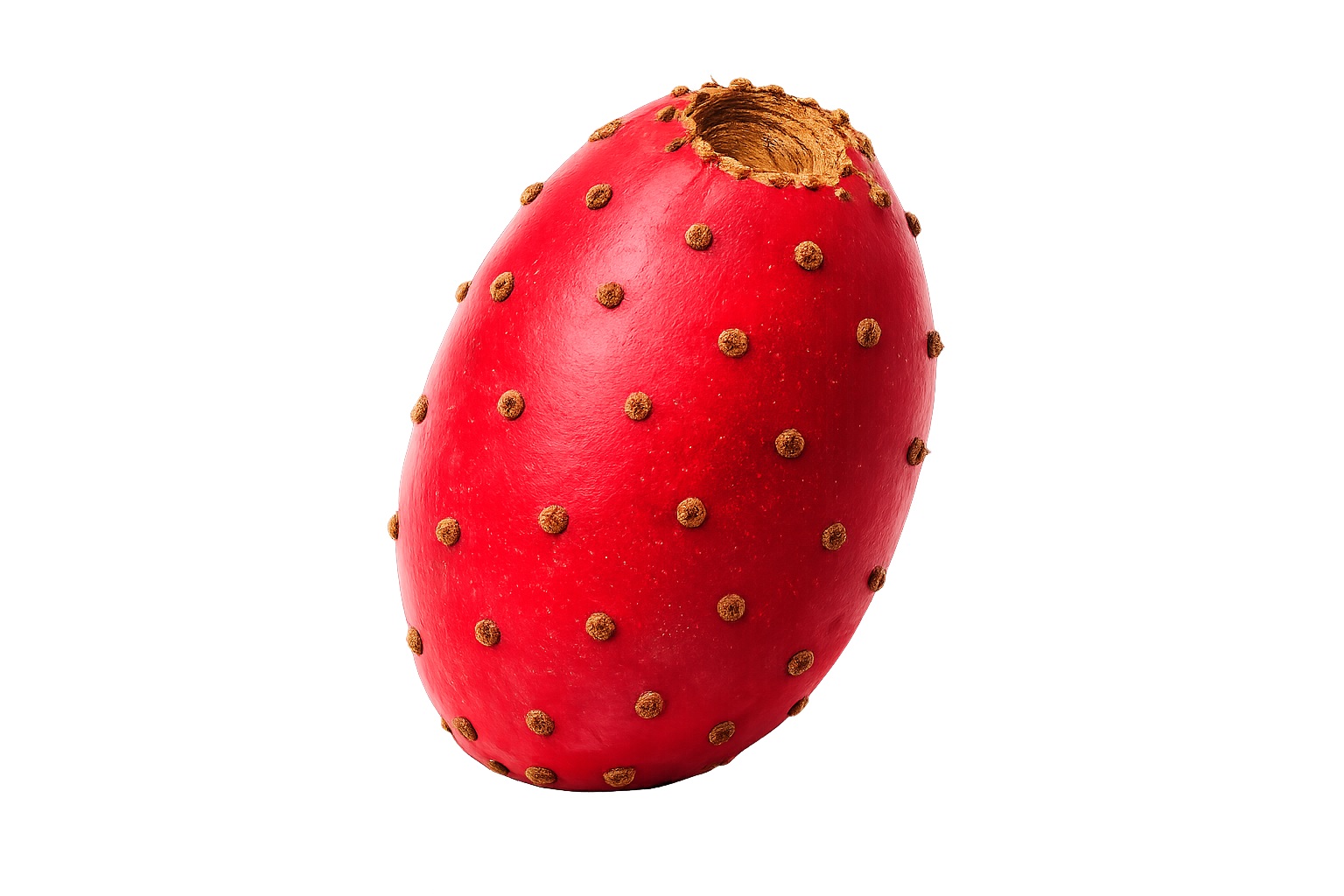
Cactus pears are oval to pear-shaped fruits with a thick outer skin that may be green, yellow, orange, or deep red depending on the variety. The exterior often contains small spines or glochids that must be removed before consumption. The inner flesh is juicy and contains numerous small edible seeds. Flavor is mildly sweet with subtle melon-like notes. Cactus pears are non-climacteric and do not ripen further after harvest.
Nutritional Value
Cactus pears are low in calories and provide dietary fiber. They are a good source of vitamin C and contain antioxidants such as betalains, which contribute to their bright coloration. They also provide small amounts of magnesium and potassium.
Seasonality and Origin
Cactus pears are grown in arid and semi-arid regions. Major production areas include Mexico, Italy, South Africa, and parts of the United States. Harvest seasons vary by region, but fruits are generally available from late summer through fall, with extended availability in some markets due to staggered production.
Common Applications
• Fresh consumption
• Juices and beverages
• Jams and jellies
• Desserts and confectionery
• Salads and fruit mixes
• Traditional and regional dishes
Storage and Handling
Proper handling is essential due to the delicate skin and presence of spines.
• Recommended storage temperature: 41°F to 45°F
• Relative humidity: 85–90%
• Shelf life: 1–2 weeks under optimal conditions
• Remove spines carefully before handling
• Store in a dry, well-ventilated area
• Handle gently to avoid skin damage
• Avoid excessive moisture to prevent spoilage
Origin and Background
Cactus pears originated in Mexico and have been cultivated for centuries in arid regions. They were spread globally through trade and are now grown in various dry climates. The fruit is an important part of traditional diets and is valued for its resilience and low water requirements. Modern cultivation focuses on improving fruit size, sweetness, and ease of handling.
Grades and Quality Standards
Extra Fancy Grade
• Uniform size, shape, and vibrant color
• Clean surface with minimal spine presence
• Free from bruising, cuts, and decay
Fancy Grade
• Slight variations in size and appearance
• Minor surface imperfections allowed
• Suitable for retail distribution
Commercial / Processing Grade
• Visible defects permitted
• May include irregular shapes or surface damage
• Used for juices, jams, and processing
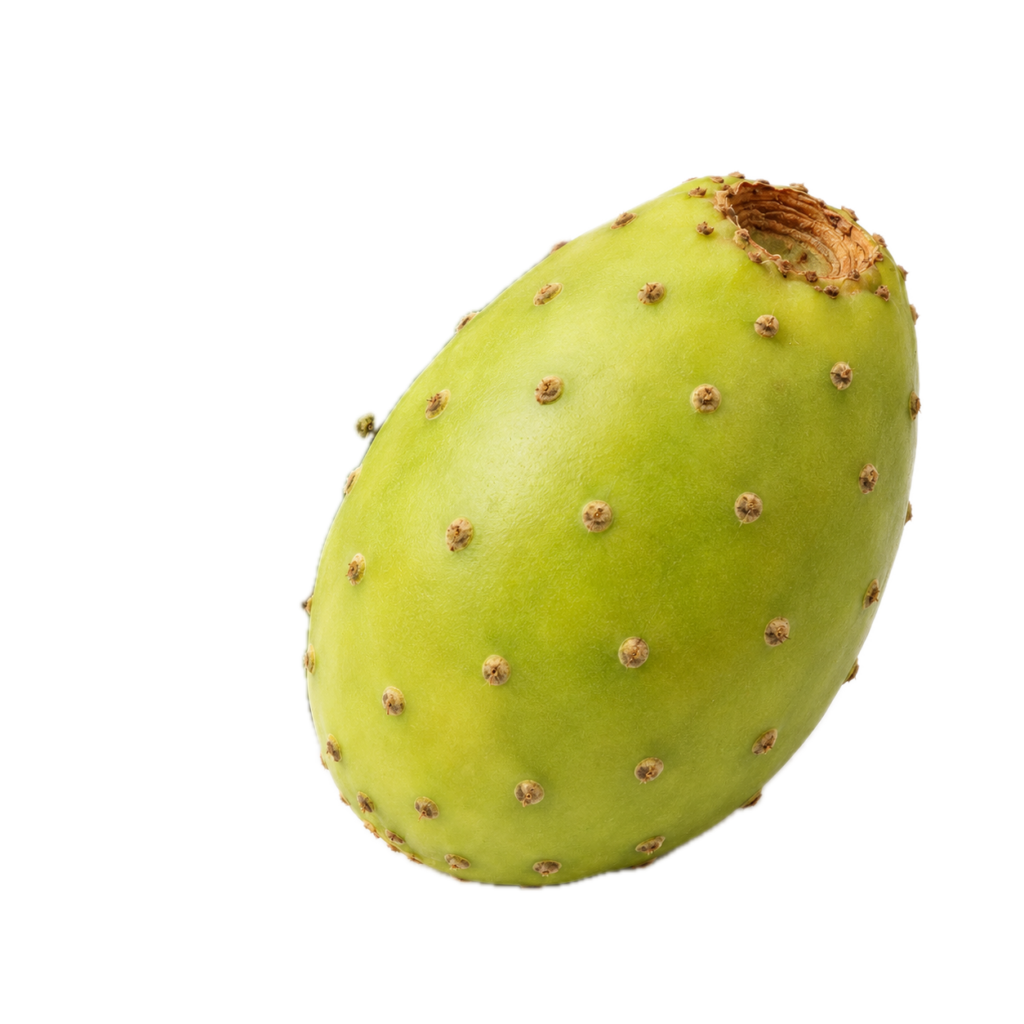
Green
Green cactus pears have green skin and pale green flesh. They offer a mildly sweet flavor with refreshing, melon-like notes and are commonly consumed fresh.
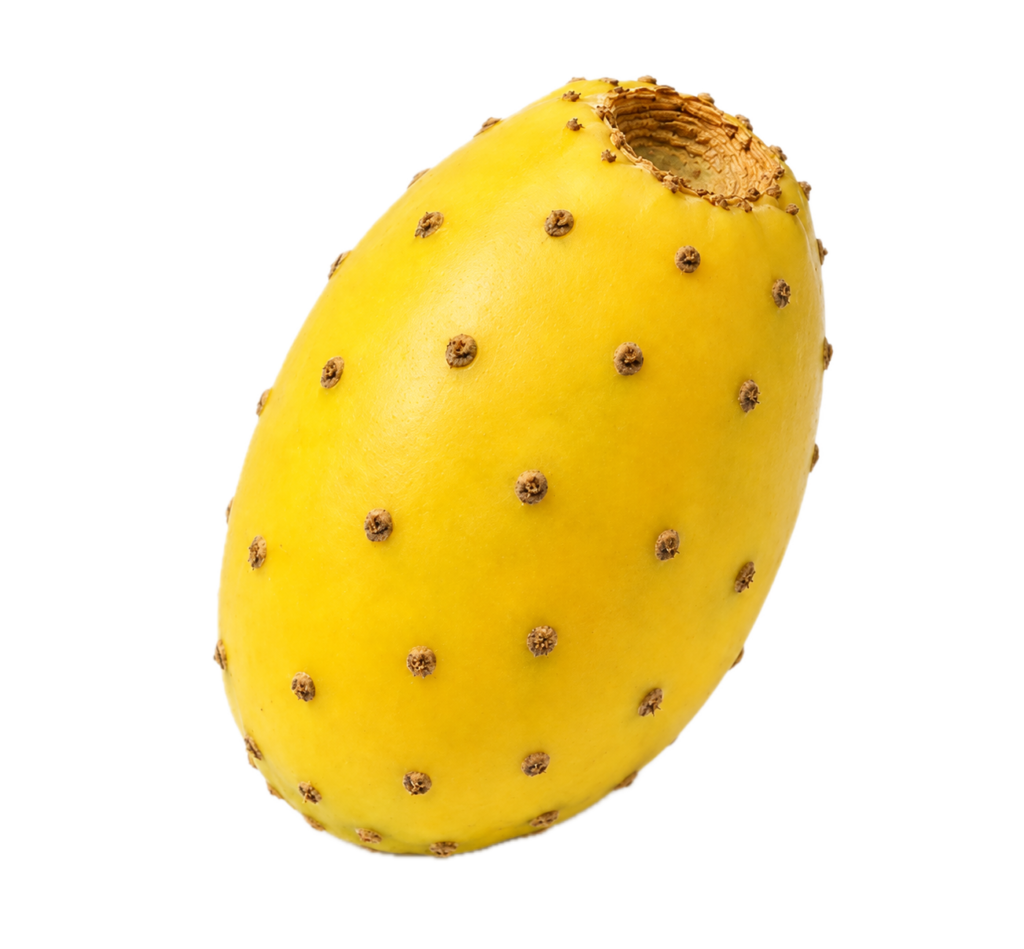
Yellow
Yellow cactus pears feature bright yellow skin and flesh with a sweet, honey-like flavor. They are popular for fresh consumption and juice production.
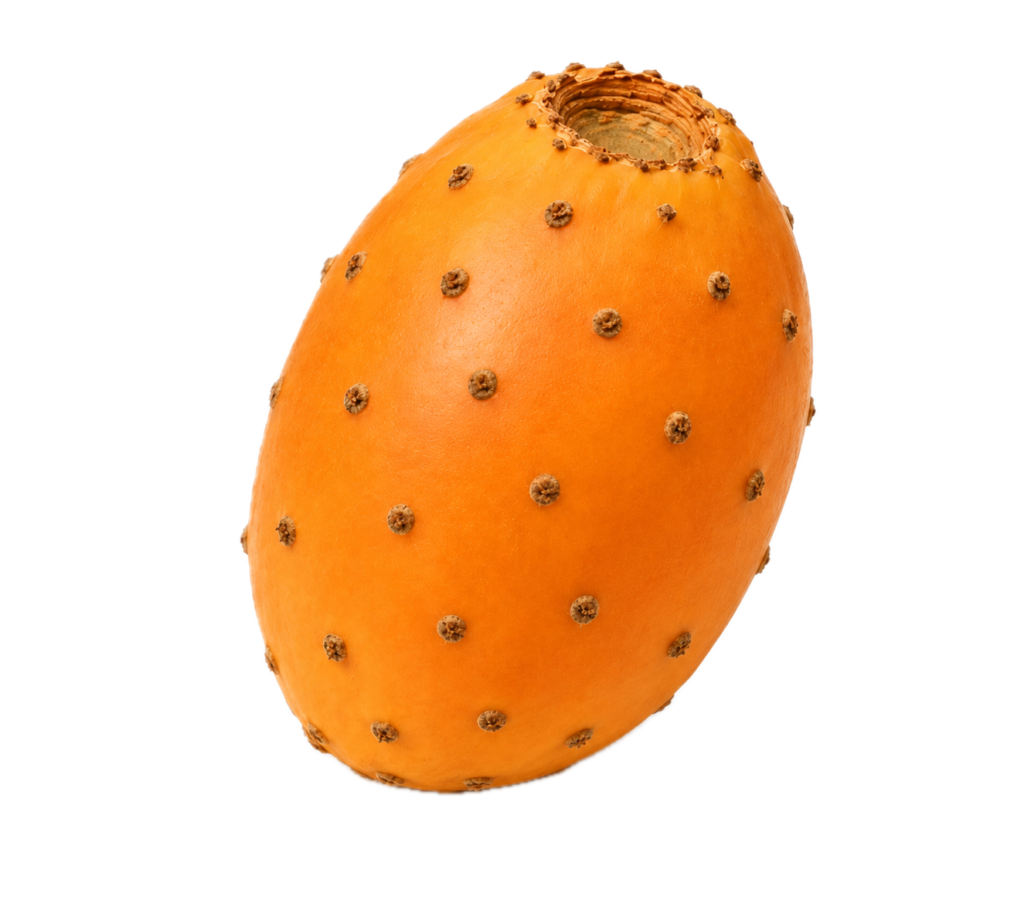
Orange
Orange cactus pears have vibrant orange flesh and a rich, sweet flavor. Their bright color makes them popular for desserts, beverages, and specialty culinary applications.
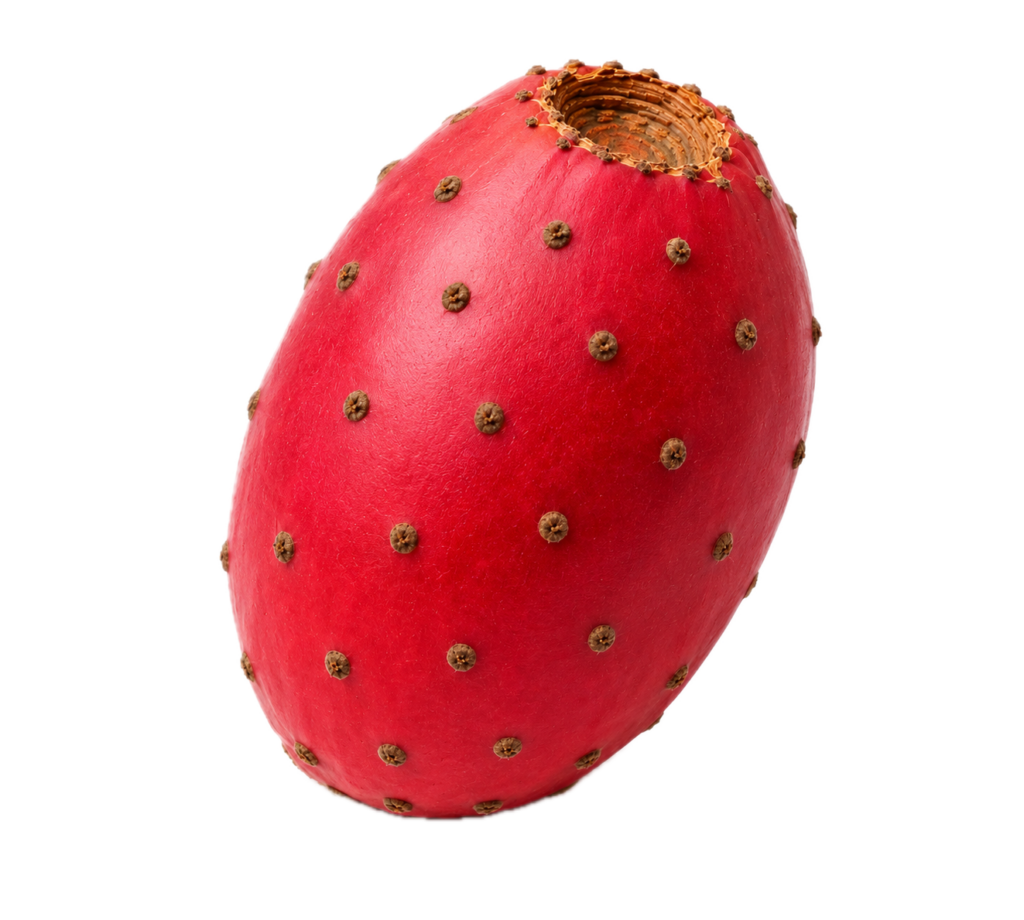
Red
Red cactus pears are known for their deep red to magenta flesh and sweet, berry-like flavor. They are widely used for fresh consumption, juices, jams, and colorful food preparations.