
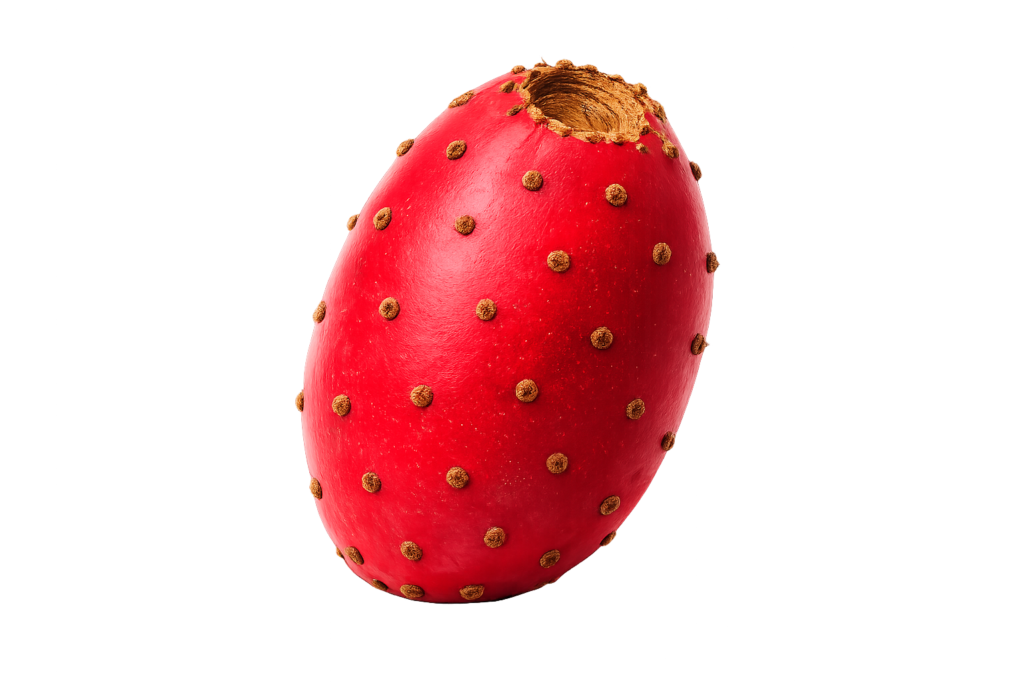
Product Overview
Red cactus pear, also known as red prickly pear, is a vibrant fruit derived from select varieties of the Opuntia cactus. It is valued for its deep red skin and flesh, refreshing sweetness, and striking appearance. Red cactus pears are marketed fresh and are increasingly sought after in specialty produce markets for their unique flavor, visual appeal, and nutritional benefits.
Key Characteristics
Red cactus pears are oval to pear-shaped fruits with a thick outer skin that ranges from bright red to deep crimson. The exterior may contain small spines or glochids that must be removed before consumption. The inner flesh is juicy, tender, and typically deep red or magenta in color, containing numerous small edible seeds. The flavor is sweet and mildly floral, with subtle notes reminiscent of watermelon and berries. Like other cactus pears, red varieties are non-climacteric and do not continue ripening after harvest.
Nutritional Value
Red cactus pears are low in calories and provide dietary fiber. They are an excellent source of vitamin C and contain beneficial antioxidants, particularly betalains, which contribute to their rich red coloration. The fruit also provides small amounts of magnesium, potassium, and calcium.
Seasonality and Origin
Red cactus pears are cultivated in arid and semi-arid regions around the world. Major production areas include Mexico, Italy, South Africa, Chile, and parts of the southwestern United States. Harvest seasons vary by region, but fruits are generally available from late summer through fall, with extended market availability in some regions through staggered production cycles.
Common Applications
• Fresh consumption
• Juices and smoothies
• Jams and preserves
• Desserts and frozen treats
• Fruit salads and garnishes
• Syrups and specialty beverages
• Traditional regional cuisine
Storage and Handling
Proper handling is essential due to the delicate skin and presence of spines.
• Recommended storage temperature: 41°F to 45°F
• Relative humidity: 85–90%
• Shelf life: 1–2 weeks under optimal conditions
• Remove spines carefully before handling
• Store in a dry, well-ventilated area
• Handle gently to avoid bruising and skin damage
• Avoid excessive moisture to minimize spoilage
Origin and Background
Red cactus pears originated in Mexico, where prickly pear cactus species have been cultivated for centuries. Indigenous cultures valued the fruit as an important food source due to its adaptability to dry climates and nutritional benefits. Through global trade and agricultural expansion, red cactus pears spread to many arid regions worldwide. Modern cultivation emphasizes improved fruit size, sweetness, color intensity, and reduced spine presence to meet commercial market demands.
Grades and Quality Standards
Extra Fancy Grade
• Uniform size, shape, and deep red coloration
• Clean surface with minimal spine presence
• Free from bruising, cuts, sunburn, and decay
Fancy Grade
• Slight variations in size, shape, or color intensity
• Minor cosmetic imperfections permitted
• Suitable for retail and foodservice markets
Commercial / Processing Grade
• Visible surface defects permitted
• May include irregular shapes, color variation, or minor skin damage
• Primarily used for juices, jams, purees, and processing applications