
Product Overview
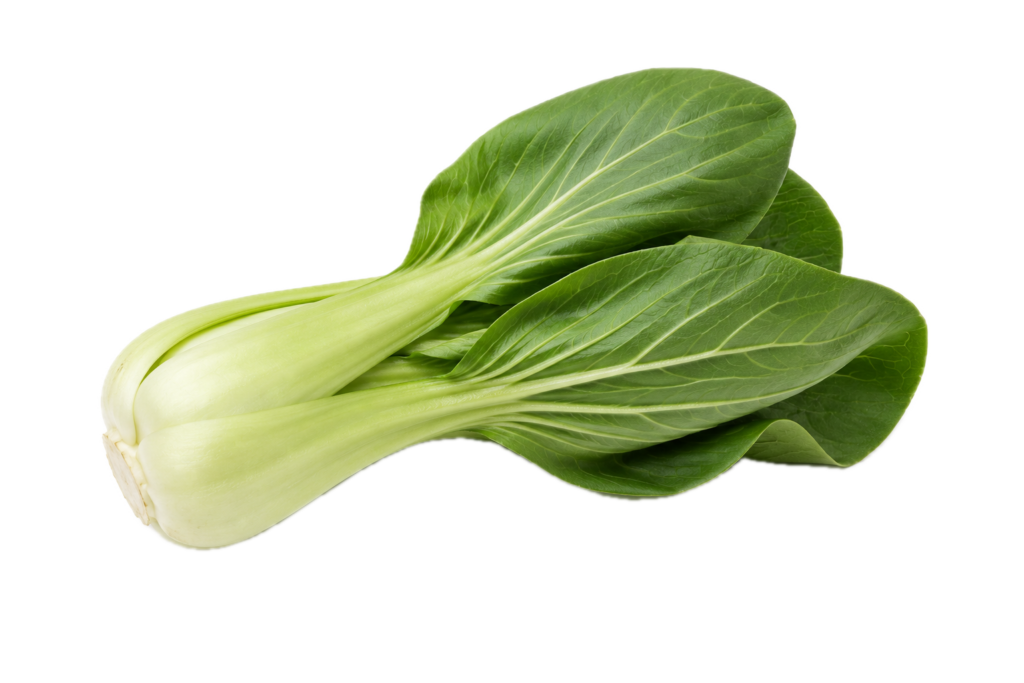
Bok choy is a leafy green vegetable widely used in Asian cuisine and increasingly popular in global markets due to its mild flavor, crisp texture, and high nutritional value. It belongs to the Brassica family and is valued for both its leafy tops and crunchy stems. Bok choy is commonly sold fresh and is a key ingredient in retail, food service, and specialty produce segments.
Key Characteristics
Bok choy features dark green leafy blades attached to thick, juicy stalks that range from white to light green. The texture is crisp in the stems and tender in the leaves. Flavor is mild, slightly sweet, and less pungent than other cabbage varieties. The plant grows in a loose, open head rather than a tightly packed structure.
Nutritional Value
Bok choy is rich in vitamins A, C, and K, along with calcium and dietary fiber. It also contains antioxidants and beneficial plant compounds. Low in calories and high in water content, it is widely included in healthy and balanced diets.
Seasonality and Origin
Bok choy is grown in temperate and cool climates, with major production in China and other parts of Asia, as well as the United States. It is cultivated in multiple cycles and is available year-round in many markets through greenhouse and controlled farming.
Common Applications
• Stir-fries and sautéed dishes
• Soups and broths
• Steaming and blanching
• Salads and fresh preparations
• Noodle and rice dishes
• Asian cuisine and fusion cooking
Storage and Handling
Proper storage helps maintain freshness and crispness.
• Recommended storage temperature: 32°F to 36°F
• Relative humidity: 95–100%
• Store in perforated plastic bags or containers
• Keep refrigerated and maintain moisture to prevent wilting
• Avoid prolonged exposure to ethylene-producing produce
• Handle gently to avoid bruising and leaf damage
Origin and Background
Bok choy originated in China and has been cultivated for thousands of years. It is a staple vegetable in many Asian cuisines and has gained global popularity due to its versatility and nutritional benefits. Modern cultivation focuses on uniform growth, improved shelf life, and adaptability to different climates.
Grades and Quality Standards
Extra Fancy Grade
• Fresh, crisp leaves and firm stalks
• Uniform size and color
• Free from yellowing, wilting, or damage
• Clean and well-trimmed
Fancy Grade
• Minor variations in size and appearance
• Slight leaf imperfections allowed
• Suitable for retail and food service
Commercial / Processing Grade
• Visible defects permitted
• May include irregular sizes or slight wilting
• Used for processing and bulk cooking
Types of Bok Choy
Regular
This variety has larger leaves and thicker white stalks. It offers a more pronounced crunch and is commonly used in stir-fries, soups, and cooked dishes.
Shanghai
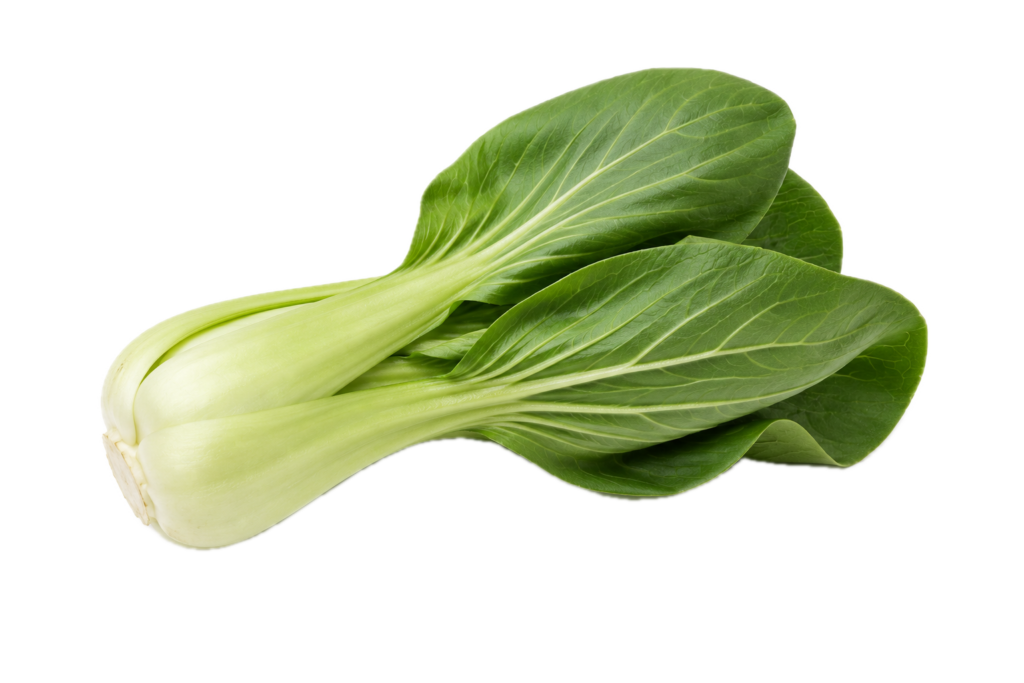
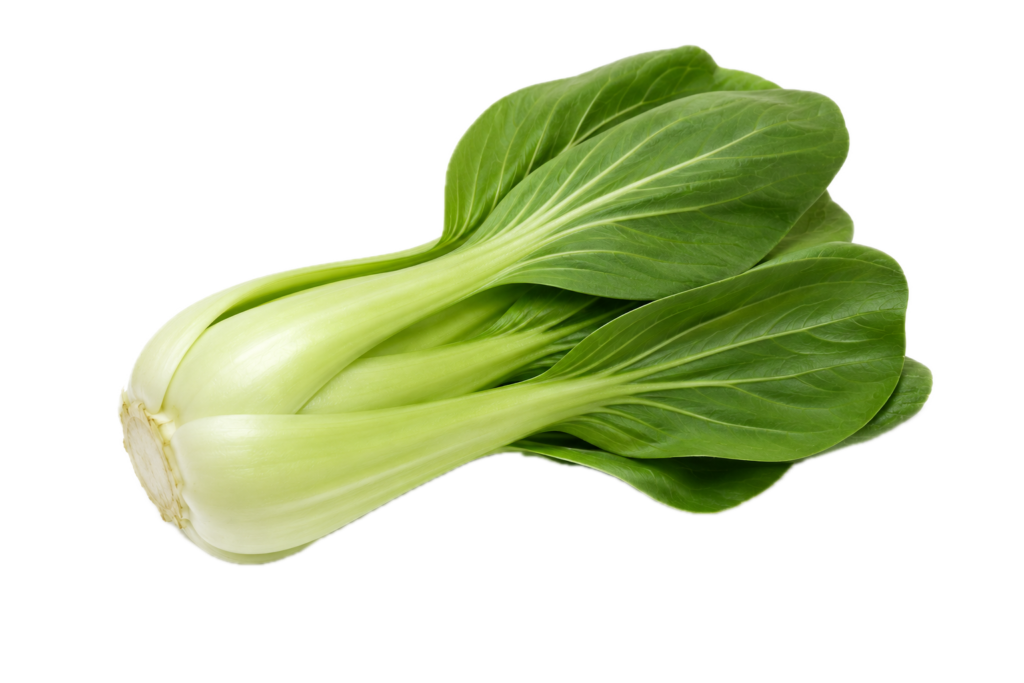
Shanghai bok choy has lighter green stems and smaller, more tender leaves. It has a milder flavor and softer texture, making it suitable for quick cooking and delicate preparations.