
Product Overview
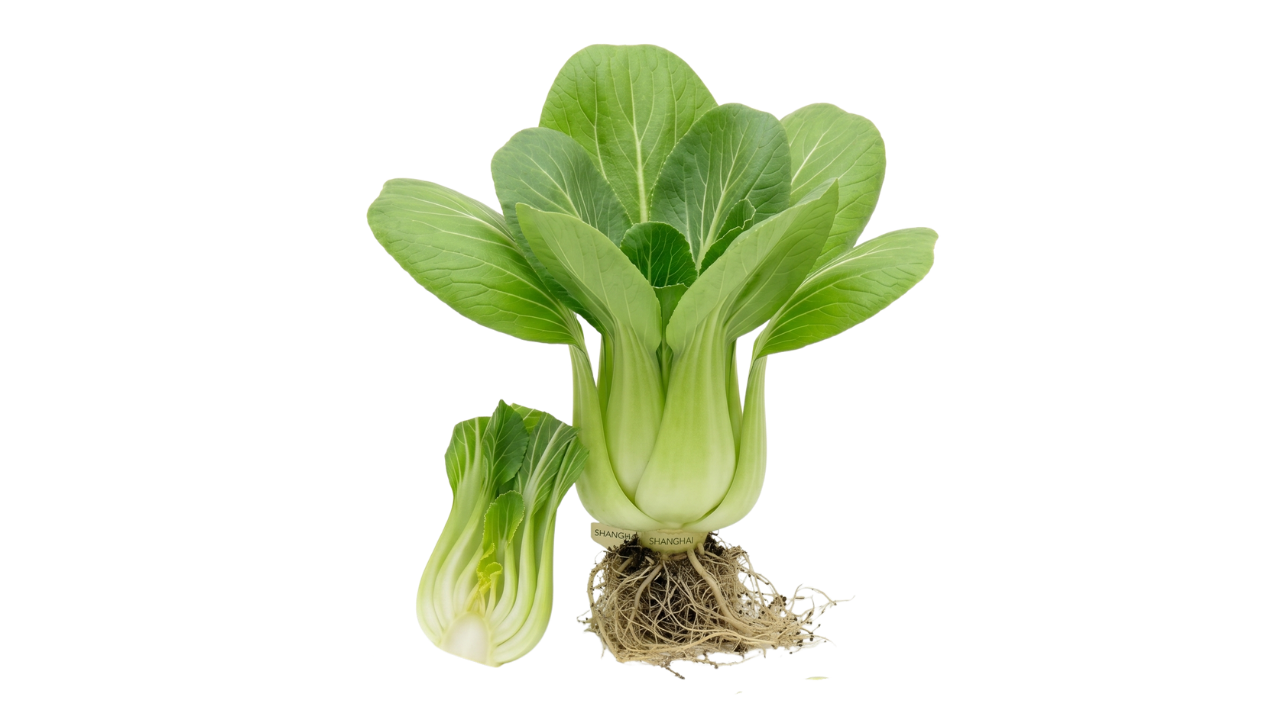
Regular bok choy, also known as white-stem bok choy or pak choi, is a leafy green vegetable belonging to the Brassica rapa subsp. chinensis species. It is widely valued for its crisp white stalks, tender dark green leaves, mild flavor, and versatility in culinary applications. Regular bok choy is a staple ingredient in Asian cuisine and is increasingly popular in retail, food service, and fresh produce markets worldwide due to its nutritional value and adaptability.
Key Characteristics
Regular bok choy features broad, dark green leaves attached to thick, crisp white stalks that form a loose, upright cluster. The stalks provide a crunchy texture, while the leaves remain tender and delicate when cooked. The flavor is mild, slightly sweet, and less pungent than many other cruciferous vegetables. Regular bok choy is available in both mature and baby forms and is suitable for a wide variety of cooking methods.
Nutritional Value
Regular bok choy is low in calories and an excellent source of vitamins A, C, and K. It also provides folate, calcium, potassium, magnesium, and dietary fiber. As a cruciferous vegetable, bok choy contains beneficial antioxidants and phytonutrients that contribute to its nutritional profile.
Seasonality and Origin
Peak Season: Fall through Spring
Regular bok choy is cultivated in temperate and subtropical growing regions worldwide. Major production areas include China, Taiwan, Japan, South Korea, the United States, and Southeast Asia. Through staggered production schedules and protected cultivation, regular bok choy is available year-round in many commercial markets.
Common Applications
• Stir-fried dishes
• Soups and broths
• Steamed vegetable preparations
• Noodle and rice dishes
• Hot pot applications
• Braised vegetable dishes
• Asian-inspired cuisine
Storage and Handling
Proper storage is essential to maintain freshness, texture, and appearance.
• Recommended storage temperature: 32°F to 36°F
• Relative humidity: 95–100%
• Shelf life: 1–2 weeks under optimal conditions
• Store in a refrigerated, high-humidity environment
• Avoid excessive moisture accumulation on leaves
• Handle carefully to prevent bruising and stalk damage
• Maintain proper air circulation during storage and transportation
Origin and Background
Regular bok choy originated in China, where it has been cultivated for thousands of years as an important leafy vegetable crop. It remains a staple ingredient throughout East and Southeast Asia and has gained global popularity due to its culinary versatility and nutritional value. Modern cultivation focuses on improving yield, disease resistance, uniformity, and postharvest quality while maintaining the traditional characteristics valued by consumers.
Grades and Quality Standards
Extra Fancy Grade
• Uniform size, shape, and coloration
• Crisp white stalks and fresh dark green leaves
• Free from yellowing, bruising, insect damage, and decay
• Excellent texture and overall appearance
Fancy Grade
• Slight variations in size and appearance permitted
• Minor cosmetic imperfections allowed
• Suitable for retail and food service distribution
Commercial / Processing Grade
• Greater variation in size and appearance allowed
• May contain minor leaf defects or cosmetic blemishes
• Used for fresh-cut processing, prepared foods, frozen products, and food manufacturing applications