
Product Overview
Bitter melon, also known as bitter gourd, is a widely consumed vegetable in Asian, African, and Caribbean cuisines. It is valued for its distinct bitter flavor and nutritional properties. Bitter melon is marketed fresh and is an important commodity in ethnic and specialty produce markets, with consistent demand in both retail and food service sectors.
Key Characteristics
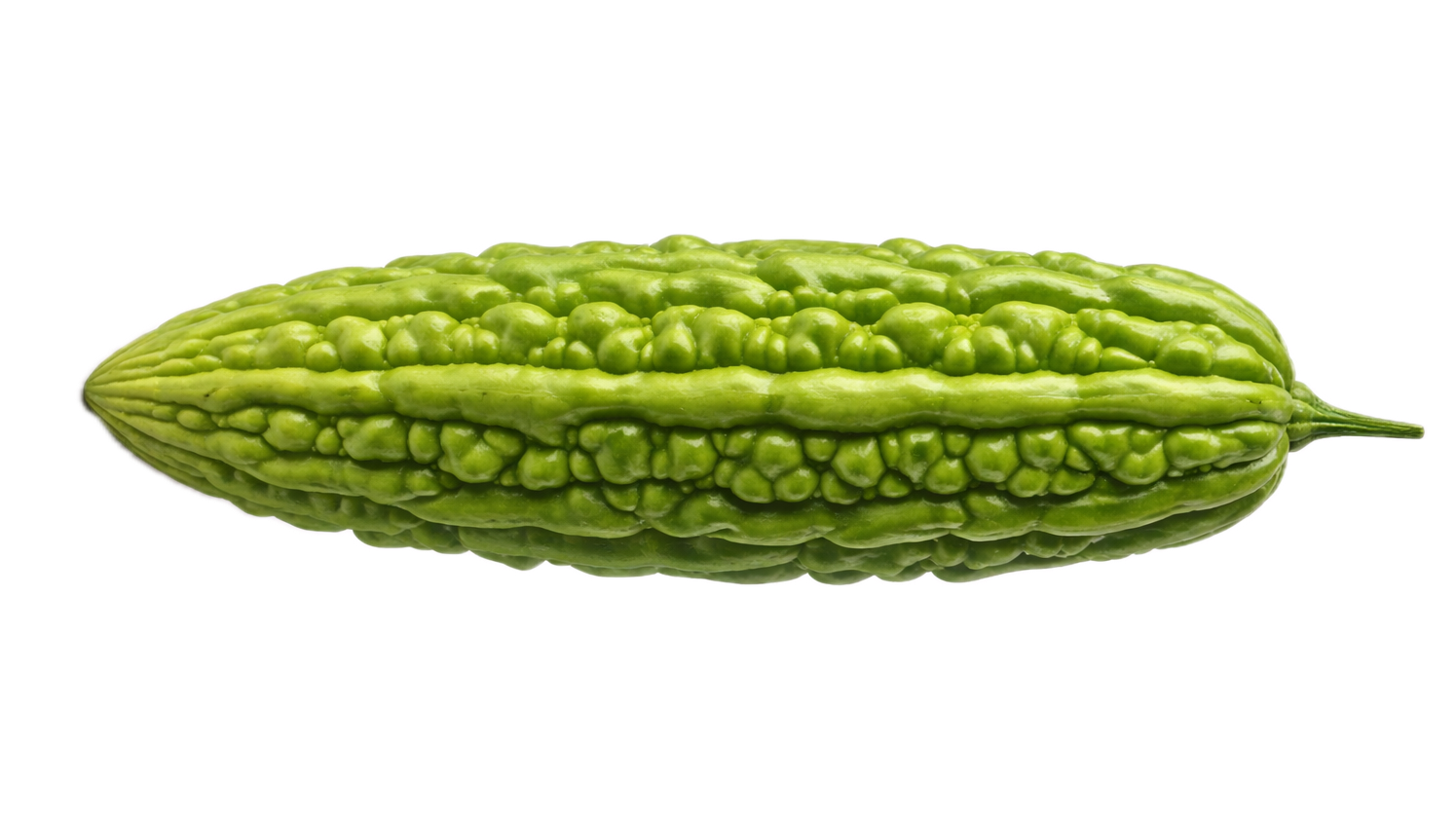
Bitter melon is an elongated vegetable with a ridged and textured exterior. Its color ranges from light green to dark green depending on the variety. The flesh is firm and contains a central cavity filled with seeds and pith. Flavor is distinctly bitter, with intensity varying by type and maturity. Bitter melon is non-climacteric and does not ripen further after harvest.
Nutritional Value
Bitter melon is low in calories and rich in dietary fiber. It provides vitamin C, vitamin A, and folate. It also contains bioactive compounds known for their antioxidant properties. Bitter melon is commonly associated with traditional dietary uses due to its potential health benefits.
Seasonality and Origin
Bitter melon is grown in tropical and subtropical regions. Major production areas include India, China, Southeast Asia, and parts of Africa. It is available for most of the year due to continuous cultivation in suitable climates and staggered harvesting cycles.
Common Applications
• Stir-fries and curries
• Stuffed vegetable dishes
• Soups and broths
• Juices and traditional preparations
• Pickles and preserved products
Storage and Handling
Proper handling is important to maintain freshness and reduce moisture loss.
• Recommended storage temperature: 50°F to 55°F
• Relative humidity: 85–90%
• Shelf life: 1–2 weeks under optimal conditions
• Store in a cool, well-ventilated area
• Avoid excessive moisture to prevent decay
• Handle carefully to prevent surface damage
• Keep away from ethylene-producing commodities
Origin and Background
Bitter melon is believed to have originated in tropical regions of Asia and has been cultivated for centuries. It plays a significant role in traditional cuisines and agricultural systems. Modern cultivation focuses on improving yield, uniformity, and resistance to pests and environmental stress.
Grades and Quality Standards
Extra Fancy Grade
• Uniform size and color
• Fresh, firm texture
• Free from defects, decay, and discoloration
Fancy Grade
• Slight variations in size and appearance
• Minor surface imperfections allowed
• Suitable for retail distribution
Commercial / Processing Grade
• Visible defects permitted
• Maintains internal quality
• Used for cooking and processing
Types of Bitter Melon
Chinese
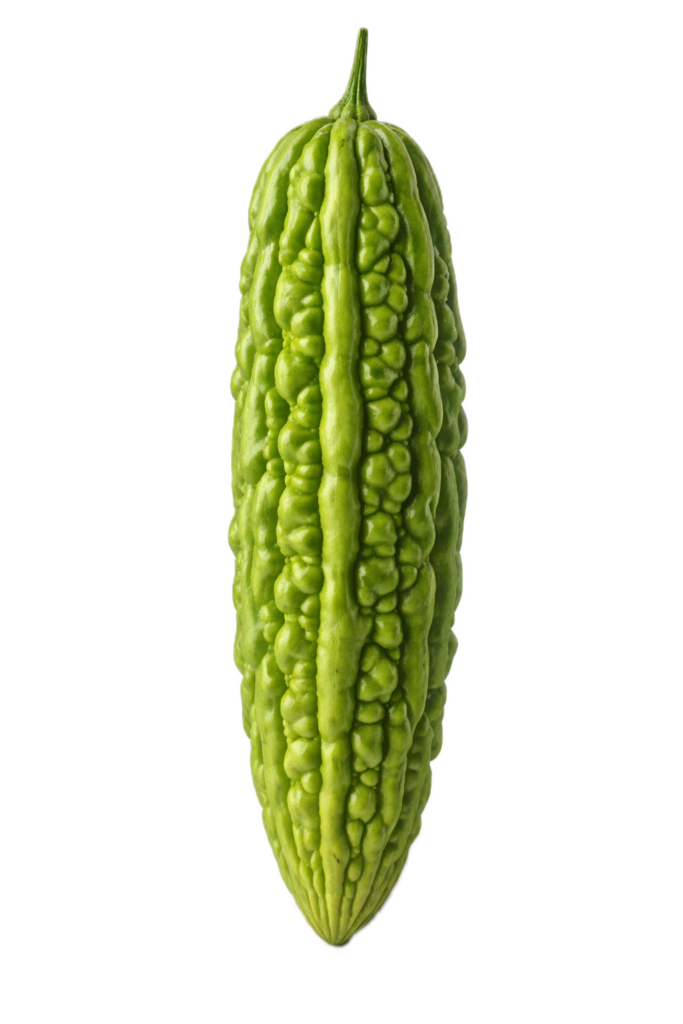
Chinese bitter melon is longer and lighter green with a smoother, less sharply ridged surface. It has a milder bitterness compared to other types and is commonly used in stir-fries, soups, and stuffed dishes.
Indian
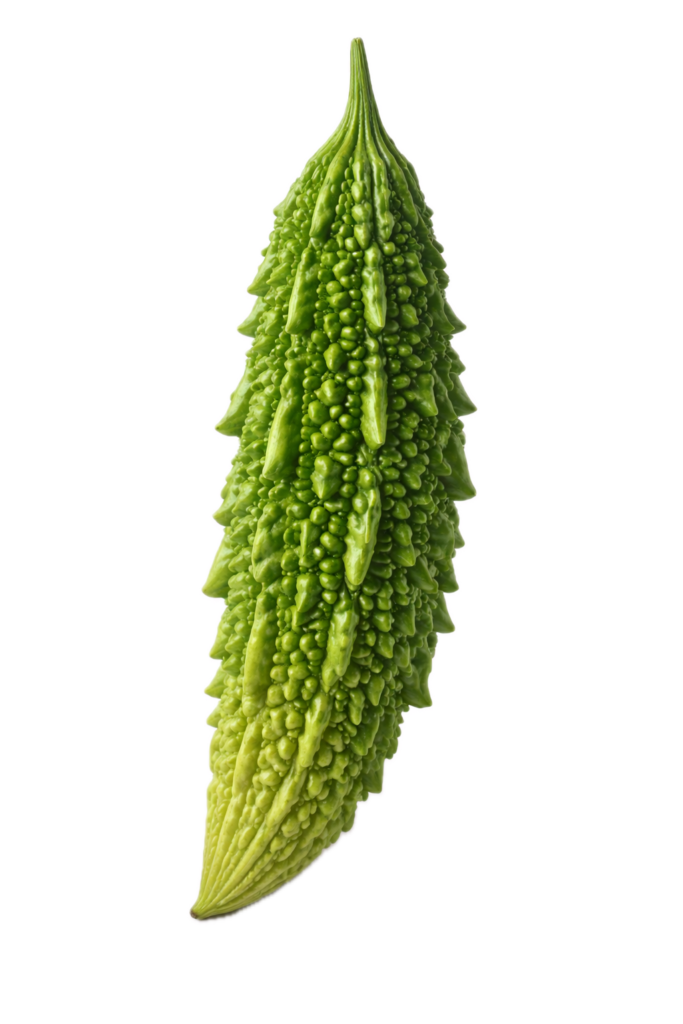
Indian bitter melon is shorter, darker green, and has a rough, heavily ridged surface with pointed ends. It is more intensely bitter and is widely used in curries, fried dishes, and traditional Indian preparations.