
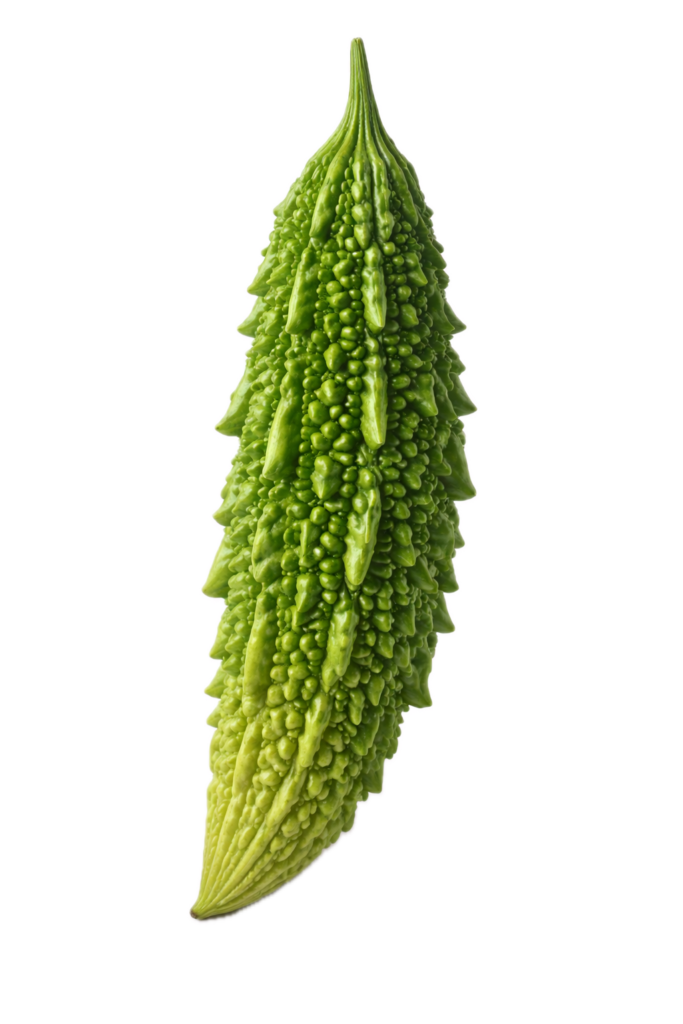
Bitter Melon – Indian
Product Overview
Indian bitter melon, also known as Indian bitter gourd or karela, is a tropical vegetable belonging to the Momordica charantia species. It is highly valued for its distinctive bitter flavor, nutritional benefits, and widespread use in South Asian, Southeast Asian, and global cuisines. Indian bitter melon is commonly marketed fresh and is increasingly recognized in specialty produce markets due to its culinary versatility and functional food appeal.
Key Characteristics
Indian bitter melon is elongated and cylindrical with a deeply ridged, rough, and heavily textured green exterior. Fruits typically range from light green to dark green depending on maturity and variety. The flesh is firm and crisp when immature, becoming softer as the fruit matures. Indian bitter melon is known for its pronounced bitterness, which distinguishes it from other vegetables. Mature fruits may turn yellow-orange and develop red-coated seeds internally.
Nutritional Value
Indian bitter melon is low in calories and an excellent source of dietary fiber. It provides vitamin C, vitamin A, folate, and potassium, along with antioxidants and beneficial plant compounds. The vegetable is widely recognized for its nutritional density and role in traditional dietary practices.
Seasonality and Origin
Peak Season: May to October
Indian bitter melon is cultivated in tropical and subtropical regions worldwide. Major production areas include India, Bangladesh, Pakistan, Sri Lanka, China, Thailand, Vietnam, and parts of Africa and the Caribbean. Due to year-round cultivation in various climates, availability may be extended in many commercial markets.
Common Applications
• Stir-fried dishes
• Curries and stews
• Stuffed vegetable preparations
• Soups and broths
• Pickles and preserves
• Fresh juice and beverage applications
• Traditional regional cuisine
Storage and Handling
Proper storage is essential to maintain freshness and minimize moisture loss.
• Recommended storage temperature: 50°F to 55°F
• Relative humidity: 85–90%
• Shelf life: 1–2 weeks under optimal conditions
• Store in a cool, well-ventilated environment
• Avoid temperatures below 50°F to prevent chilling injury
• Handle carefully to prevent bruising and skin damage
• Avoid excessive moisture accumulation during storage
Origin and Background
Indian bitter melon originated in tropical regions of Asia and has been cultivated for centuries throughout the Indian subcontinent and Southeast Asia. It holds significant cultural and culinary importance in many traditional cuisines. Modern cultivation focuses on improving fruit uniformity, yield, disease resistance, and marketability while maintaining the characteristic flavor profile valued by consumers.
Grades and Quality Standards
Extra Fancy Grade
• Uniform size, shape, and dark green coloration
• Fresh, firm texture with well-defined ridges
• Free from bruising, cuts, discoloration, and decay
• Excellent appearance and quality
Fancy Grade
• Slight variations in size, shape, and color permitted
• Minor cosmetic imperfections allowed
• Suitable for retail and food service distribution
Commercial / Processing Grade
• Visible external defects permitted within acceptable limits
• May include irregular shapes or surface blemishes
• Used for processing, pickling, freezing, and food manufacturing applications