
Product Overview
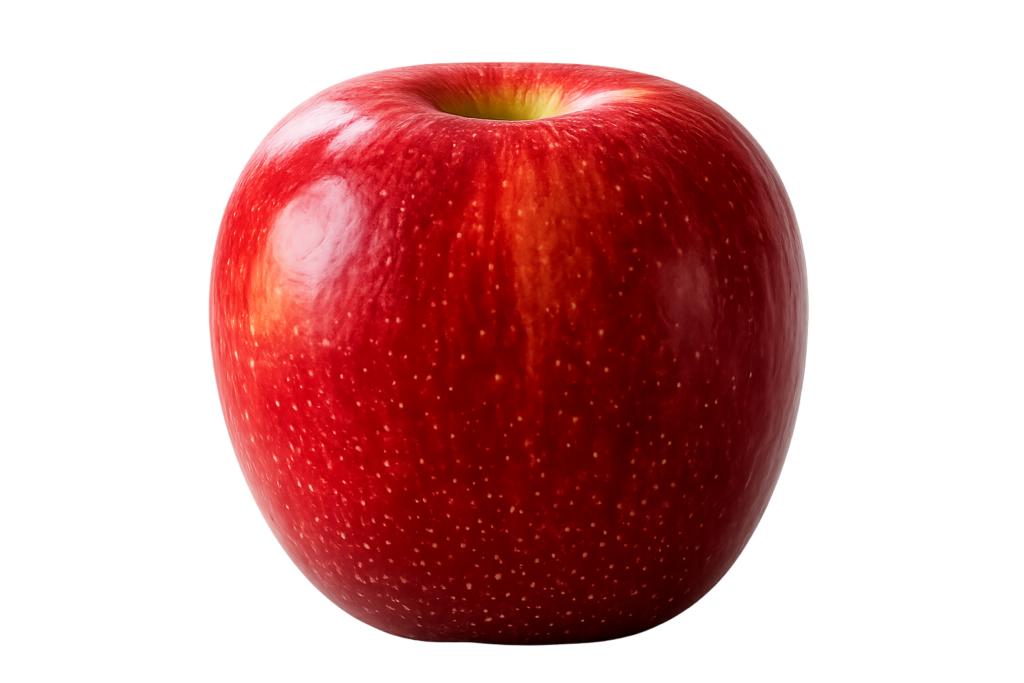
Apples are one of the most widely consumed fruits globally, valued for their crisp texture, balanced flavor profiles, and strong commercial demand across fresh and processed markets. With thousands of cultivated varieties, apples serve as a staple in retail, food service, and industrial processing due to their versatility, long storage life, and consistent availability throughout the year.
Key Characteristics
Apples generally feature a firm flesh with a combination of sweetness and acidity that varies by variety. Skin color ranges from deep red and pink to green and yellow. Texture can vary from crisp and juicy to soft and tender depending on maturity and type. Apples are also known for their resistance to handling damage compared to many other fruits, making them ideal for long-distance transportation and export.
Nutritional Value
Apples are a rich source of dietary fiber, particularly pectin, and provide vitamin C along with antioxidants such as flavonoids and polyphenols. They are low in calories and widely recognized for supporting heart health and digestion.
Seasonality and Origin
Peak Season: August to November (Northern Hemisphere)
Apples are grown in a wide range of climates, with major production regions including the United States, China, India, and parts of Europe. Due to controlled atmosphere storage, apples are available year-round in most markets.
Common Applications
• Fresh consumption
• Fruit salads and fresh-cut applications
• Baking (pies, tarts, crumbles)
• Cooking (sauces, compotes, fillings)
• Juice and cider production
• Drying and snack processing
Storage and Handling
Proper storage is critical to maintaining apple quality and extending shelf life.
• Recommended storage temperature: 32°F to 34°F
• Relative humidity: 90–95%
• Apples should be stored in controlled atmosphere (CA) conditions for long-term storage
• Ethylene-producing fruit—store separately from ethylene-sensitive produce
• Ensure proper ventilation to maintain firmness and reduce spoilage
• Avoid bruising during handling, as it accelerates decay
Origin and Background
Apples have been cultivated for thousands of years, originating in Central Asia. Over time, they have been selectively bred into thousands of varieties to meet diverse consumer preferences and agricultural conditions. Modern production focuses on consistency, storage efficiency, and resistance to pests and diseases.
Grades and Quality Standards
| U.S. Grade Standards | Days Since Shipment | % of Defects Allowed | Optimum Transit Temp. (F) |
| 10-5-1 | 5 4 3 2 1 | 15-8-3 14-8-3 13-7-2 11-6-1 10-5-1 | 30-32° |
Extra Fancy Grade
• Uniform size and shape
• Excellent color development
• High firmness and sugar content
• Free from defects
Fancy Grade
• Slight variations in color and shape
• Minor surface imperfections allowed
• Suitable for retail and wholesale markets
Commercial / Processing Grade
• Visible external defects allowed
• Maintains internal quality
• Used for juice, sauces, and processed products
Types of Apples
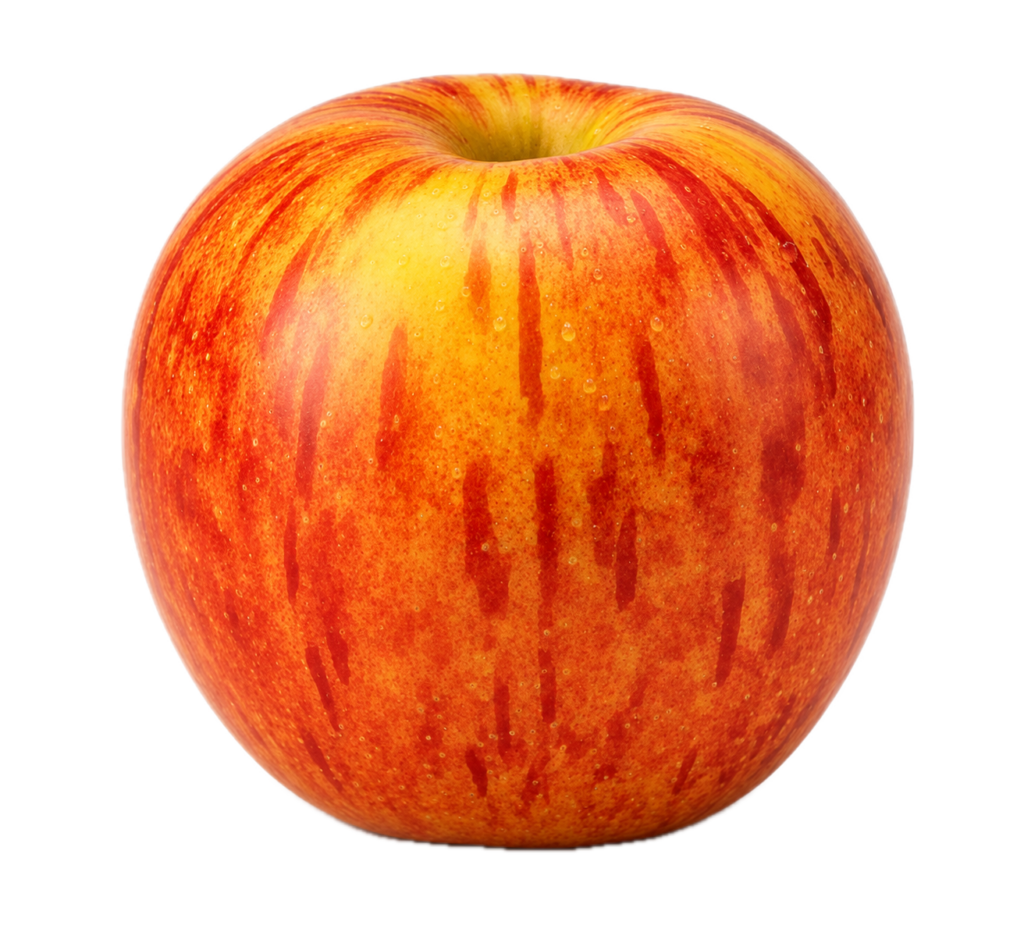
Fuji
Very sweet with a dense, crisp texture. Excellent for fresh eating and long storage.
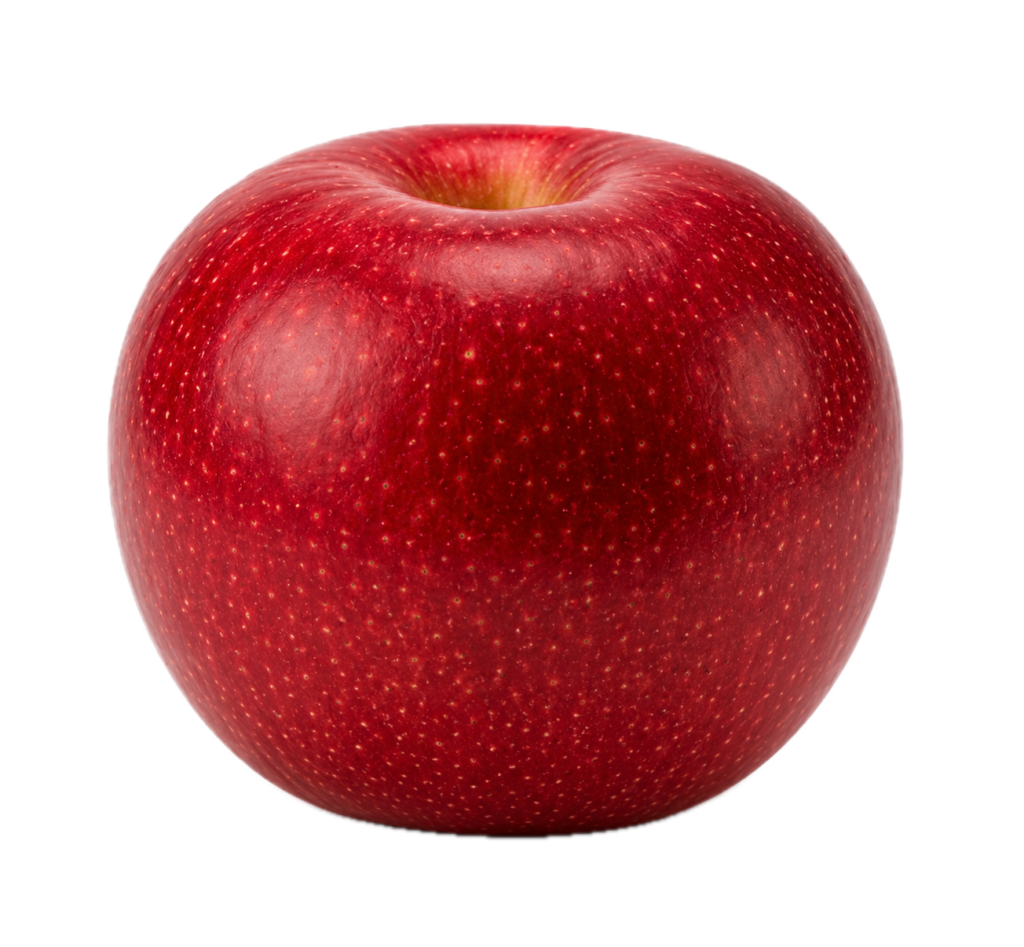
Cosmic Crisp
A premium variety known for deep red color, exceptional crunch, and long shelf life. Offers a balanced sweet-tart flavor and slow browning after cutting.
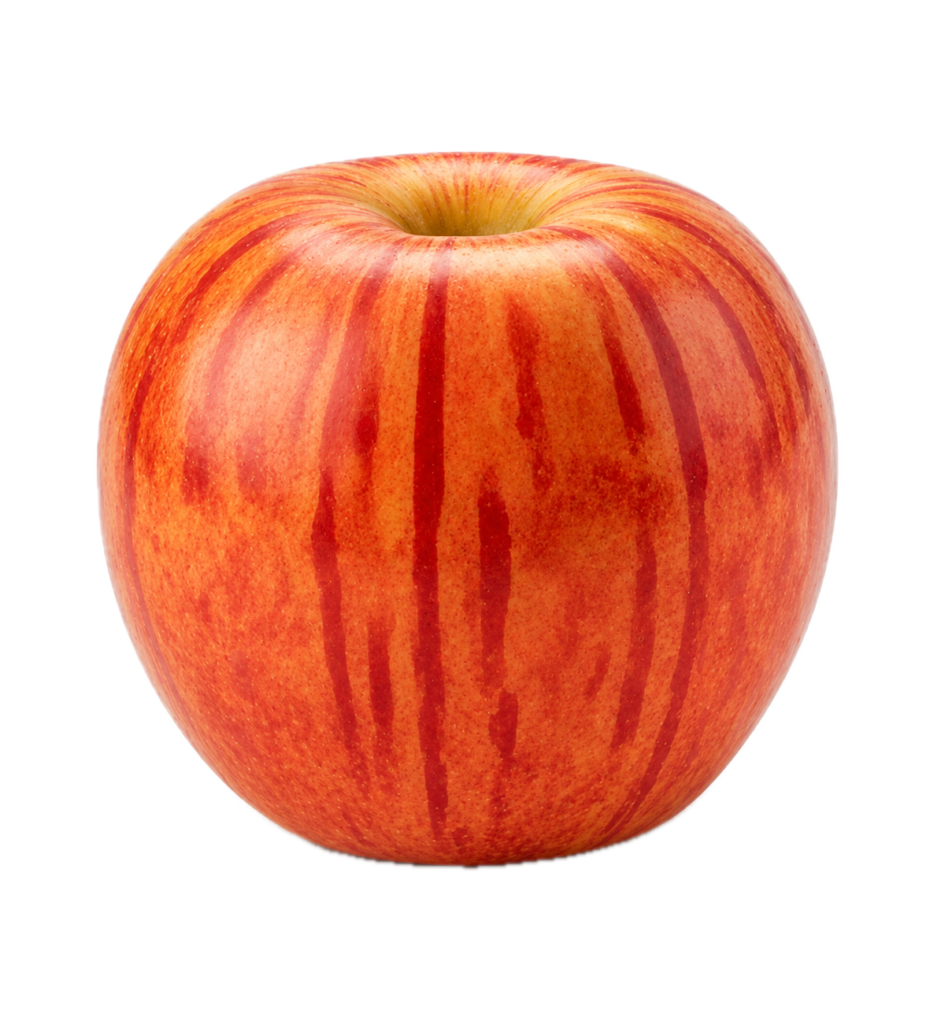
Gala
Mildly sweet with a softer texture. Popular for fresh consumption and salads.
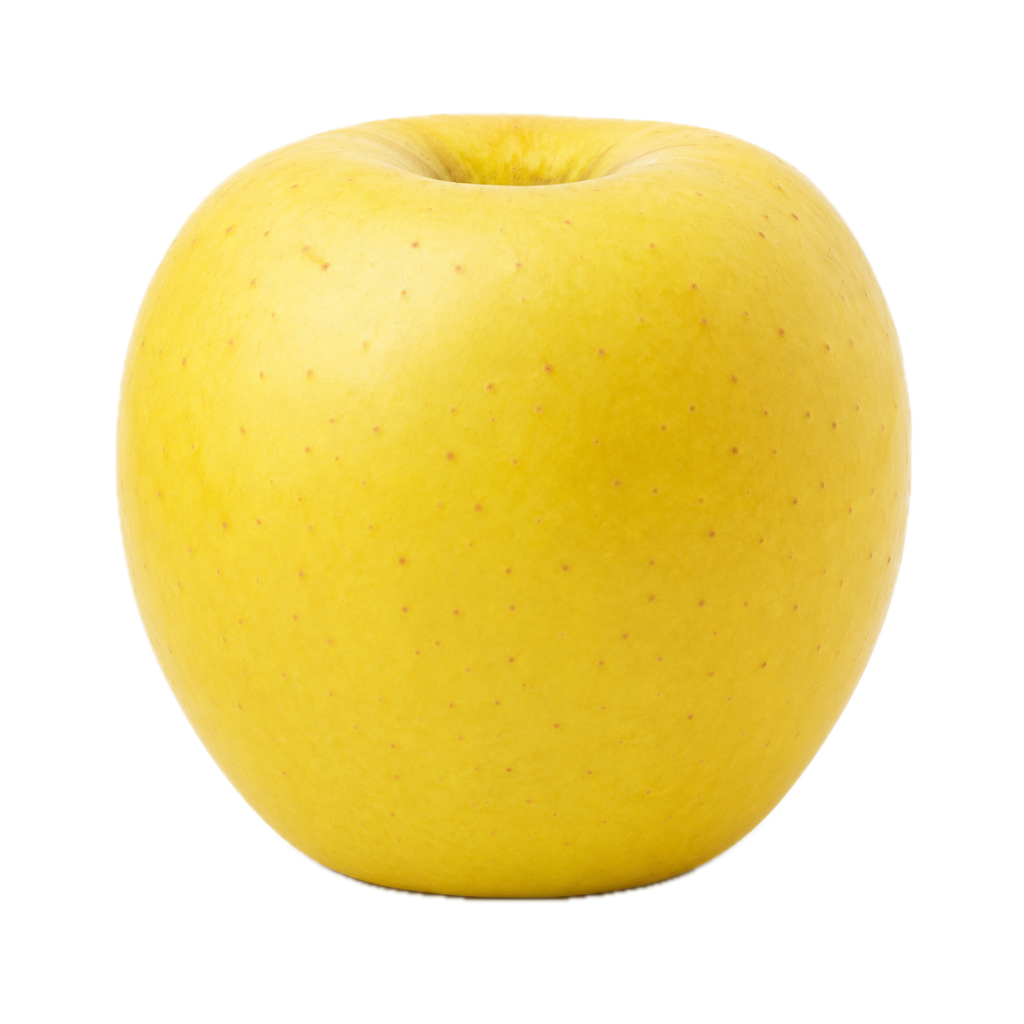
Golden Delicious
Yellow-skinned apples with a sweet, mellow flavor. Suitable for both fresh eating and cooking.
Granny Smith
Bright green apples with a strong tart flavor. Ideal for baking and cooking due to their firmness.
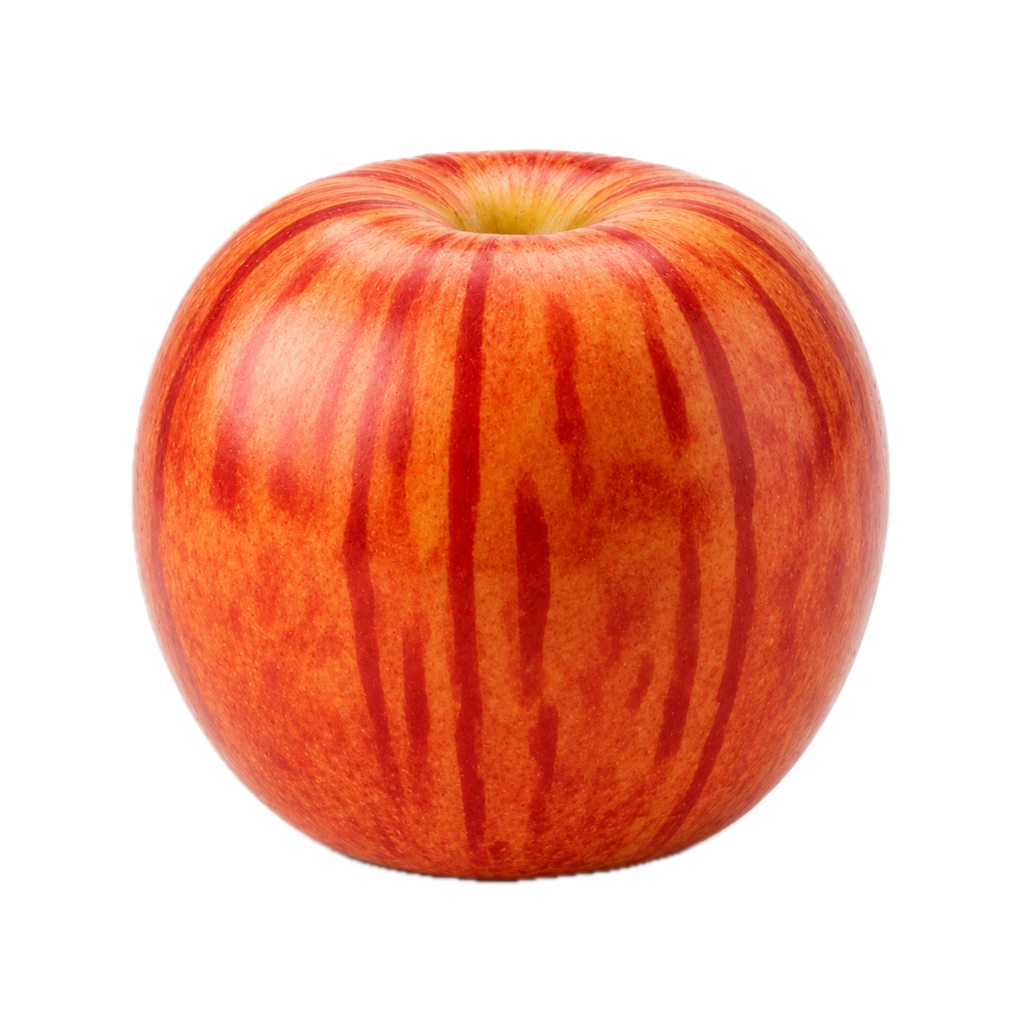
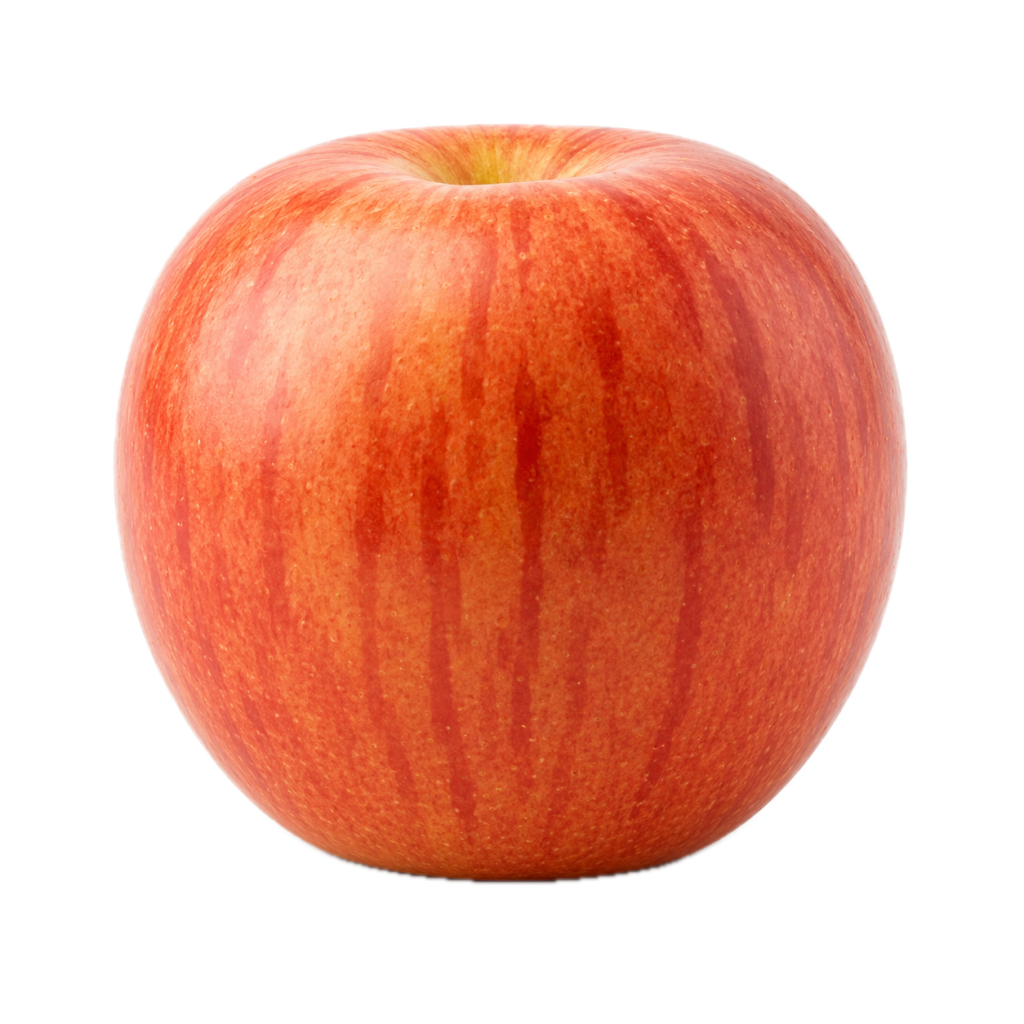
Honeycrisp
Extremely crisp and juicy with a balanced sweet-tart taste. Highly preferred in premium markets.
Pink Lady
Firm, crisp apples with a tangy-sweet flavor. Known for excellent storage performance.
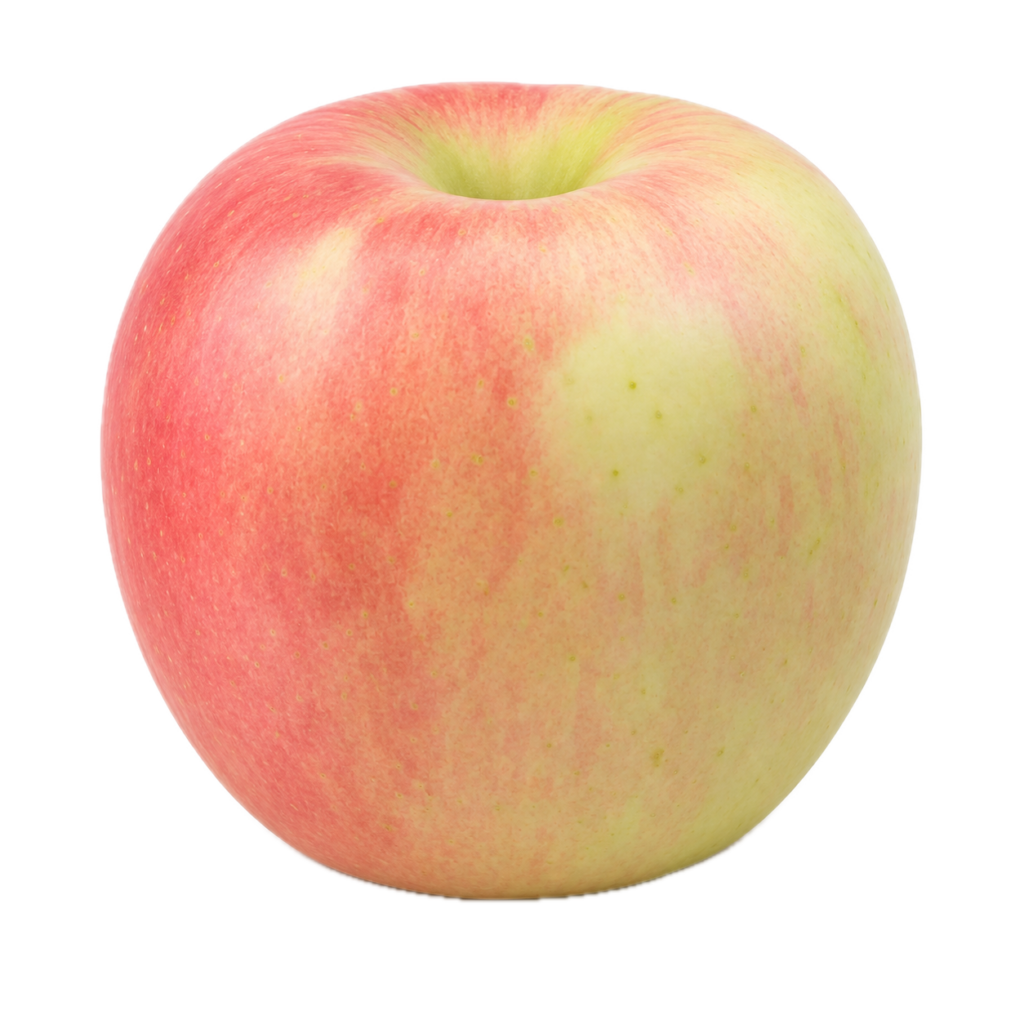
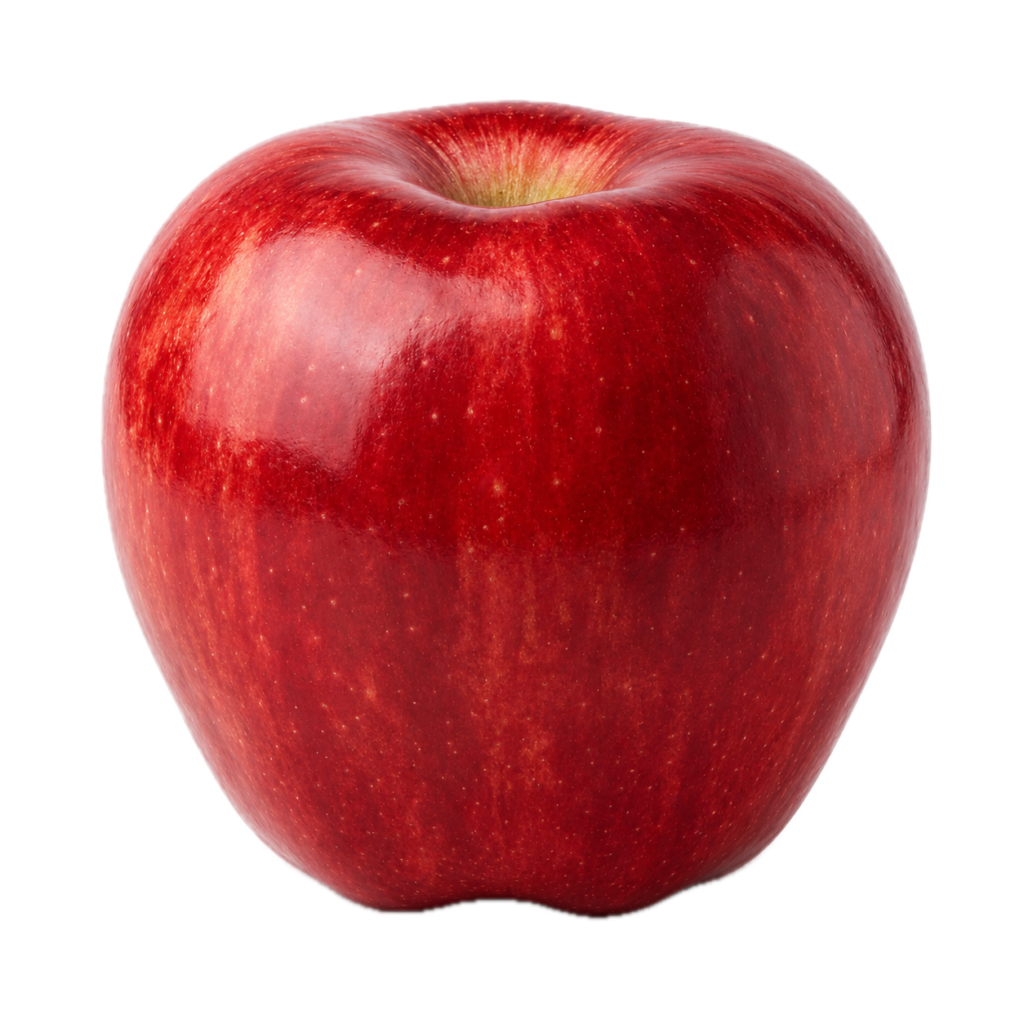
Red Delicious
Deep red apples with a mildly sweet flavor and softer texture. Common in fresh fruit displays.