
Product Overview
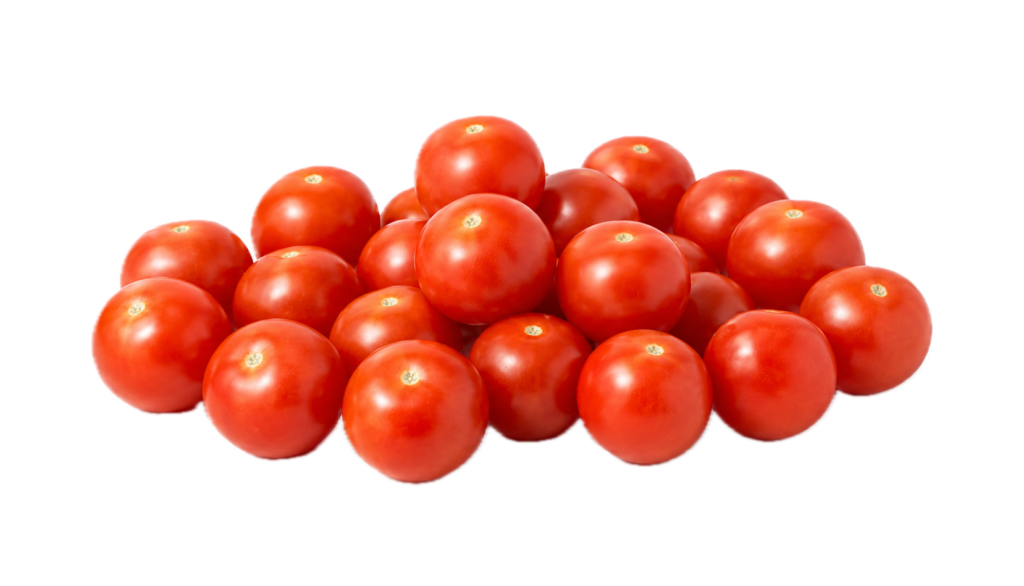
Cherry tomatoes are a popular specialty tomato variety valued for their sweet flavor, juicy texture, and vibrant appearance. They are widely marketed in retail and food service sectors and are commonly used in fresh preparations, snacking, and gourmet culinary applications.
Key Characteristics
Cherry tomatoes are small, round tomatoes typically ranging from 1–2 inches in diameter. They have smooth, glossy skin and juicy flesh with a balanced sweet-tart flavor. Colors may include red, yellow, orange, and specialty heirloom varieties. Cherry tomatoes are climacteric fruits and continue to ripen after harvest.
Nutritional Value
Cherry tomatoes are low in calories and rich in vitamin C, vitamin A, potassium, and antioxidants such as lycopene. They also provide dietary fiber and beneficial plant compounds that contribute to overall health.
Seasonality and Origin
Cherry tomatoes are grown in warm climates and greenhouse environments, making them available year-round. Major production regions include the United States, Mexico, Canada, Spain, Italy, and the Netherlands. Continuous cultivation supports consistent market availability.
Common Applications
• Fresh snacking
• Salads
• Roasting and grilling
• Pasta dishes
• Appetizers and skewers
• Garnishing and culinary presentations
Storage and Handling
Proper handling is essential to maintain flavor and quality.
• Recommended storage temperature: 55°F to 70°F
• Relative humidity: 85–90%
• Shelf life: 1–2 weeks under optimal conditions
• Store at room temperature for best flavor
• Refrigerate only when fully ripe if extended storage is needed
• Handle carefully to prevent bruising
• Avoid direct sunlight and excessive heat
Origin and Background
Cherry tomatoes are believed to have originated in South America and were among the earliest cultivated tomato types. Their naturally sweet flavor, attractive appearance, and versatility have made them one of the most popular specialty tomatoes worldwide. Modern production focuses on sweetness, color diversity, shelf life, and disease resistance.
Grades and Quality Standards
Extra Fancy Grade
• Uniform size, shape, and coloration
• Firm texture with smooth, glossy skin
• Free from cracks, bruising, and defects
Fancy Grade
• Slight variations in size and appearance
• Minor cosmetic imperfections allowed
• Suitable for retail distribution
Commercial / Processing Grade
• Visible defects permitted
• Maintains internal quality
• Used for foodservice and processing applications.