
Product Overview
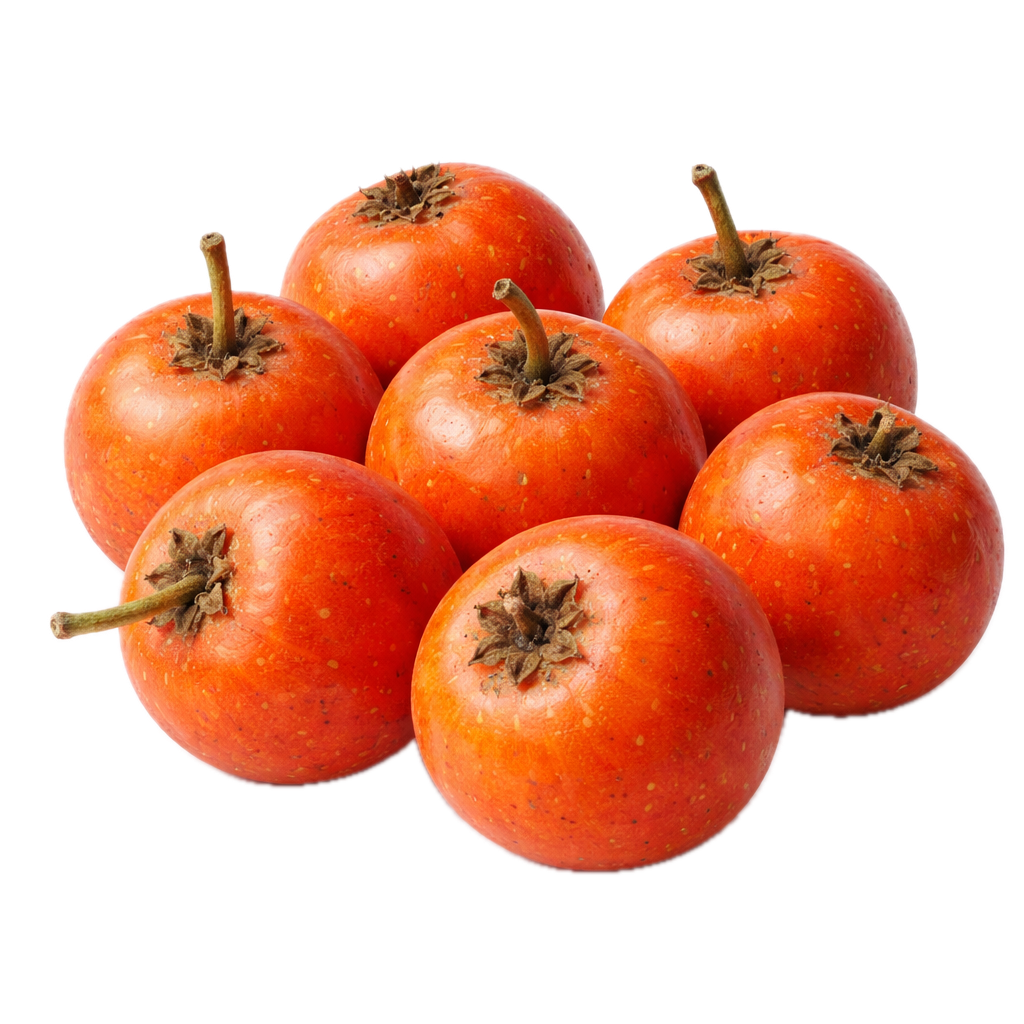
Tejocote is a small pome fruit widely used in Mexican and Central American cuisine, valued for its firm texture, tart-sweet flavor, and cultural significance. It is primarily marketed fresh in local and regional markets and is an important seasonal commodity, especially during traditional festive periods.
Key Characteristics
Tejocote is a small, round fruit with smooth skin that ranges in color from yellow to orange. The flesh is firm, slightly grainy, and surrounds a core with small seeds. Flavor is mildly sweet with noticeable tartness. The fruit retains its structure well when cooked. Tejocote is climacteric and can continue to ripen after harvest.
Nutritional Value
Tejocote provides dietary fiber and vitamin C. It also contains antioxidants and small amounts of calcium and iron. Its nutrient profile supports digestive health and contributes to overall dietary intake.
Seasonality and Origin
Tejocote is grown in highland regions of Mexico and parts of Central America. It is typically harvested during the fall and early winter months. Availability is largely seasonal, with increased demand during traditional celebrations and regional culinary use.
Common Applications
• Traditional beverages (such as ponche)
• Candied fruit preparations
• Jams and preserves
• Cooking in stews and desserts
• Fresh consumption
Storage and Handling
Proper handling helps maintain firmness and extend shelf life.
• Recommended storage temperature: 32°F to 36°F
• Relative humidity: 90–95%
• Shelf life: 2–3 weeks under optimal conditions
• Store in a cool, well-ventilated area
• Handle carefully to prevent bruising
• Refrigerate to extend freshness
• Avoid excessive moisture to prevent spoilage
Origin and Background
Tejocote originates from Mexico and has been cultivated for centuries. It belongs to the Crataegus genus (hawthorn family) and plays an important role in traditional cuisine and cultural practices. The fruit is especially associated with seasonal festivities and regional dishes.
Grades and Quality Standards
Extra Fancy Grade
• Uniform size, shape, and bright color
• Firm texture with no blemishes or decay
• Proper maturity
Fancy Grade
• Slight variations in size and appearance
• Minor surface imperfections allowed
• Suitable for retail distribution
Commercial / Processing Grade
• Visible defects permitted
• May include irregular shape or surface damage
• Used for processing and traditional preparations