
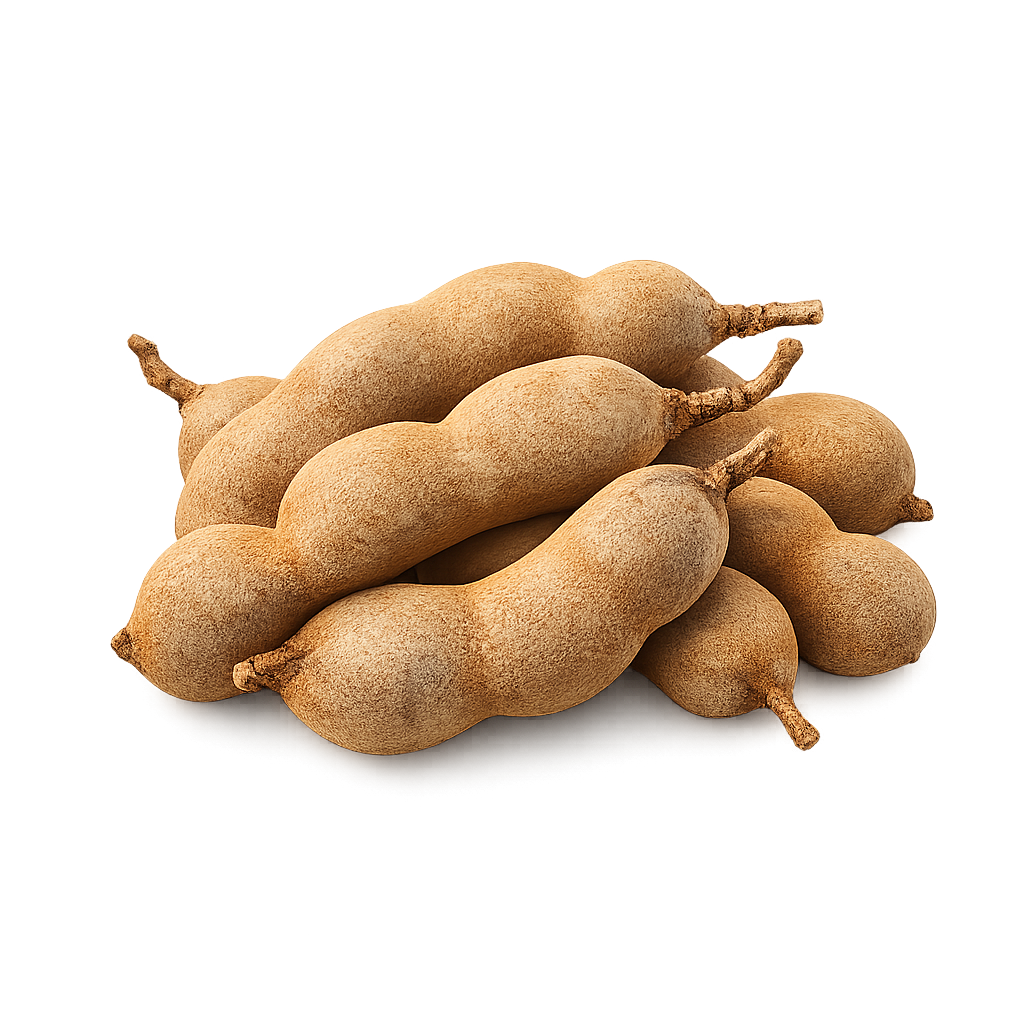
Tamarind
Product Overview
Tamarind is a tropical fruit pod widely valued for its distinctive sweet-sour flavor and extensive culinary use across Asian, Latin American, and Middle Eastern cuisines. It is commonly traded in fresh pods, compressed blocks, and processed pulp. Due to its strong global demand and versatility, tamarind is a key commodity in the wholesale tropical and specialty produce trade.
Key Characteristics
Tamarind grows in curved brown pods with a brittle outer shell enclosing sticky dark brown pulp and hard seeds. The pulp has a rich tangy flavor balancing sweetness and acidity. When fresh, the pods feel firm and slightly dry externally while the interior pulp remains moist and dense. High-quality tamarind should be clean, well-filled, and free from mold or excessive dryness.
Common Applications
• Chutneys and sauces
• Beverages and concentrates
• Curries and savory dishes
• Candy and snack products
• Marinades and seasonings
• Food service and processing use
Seasonality and Origin
Peak Season: Late winter to spring (pods); processed forms available year-round
Country of Origin: Africa (origin), widely grown in India, Thailand, Mexico, and tropical regions
Preferred Temperature:
• Fresh pods: 5°C to 8°C
• Dried or compressed: Cool, dry ambient storage
Storage and Handling
Storage depends on the form of the product.
• Fresh tamarind pods:
- Recommended storage temperature: 5°C to 8°C
- Relative humidity: 85–90%
- Shelf life: 3–4 weeks
• Dried or compressed tamarind:
- Store in cool, dry conditions
- Relative humidity below 65%
- Shelf life up to 12–18 months
• Protect from moisture and pests
• Use airtight packaging for pulp
Origin and Background
Tamarind originated in tropical Africa and spread widely through Asia and Latin America via trade routes. It became an essential souring agent in many regional cuisines. Produce industry references recognize tamarind as a high-demand tropical ingredient in both fresh and processed markets.
Grades and Quality Standards
Extra Fancy Grade
• Well-filled pods or dense pulp
• Clean brown exterior
• Rich sweet-tart flavor
• Preferred for premium retail and export markets
Fancy Grade
• Minor size or color variations
• Slight cosmetic imperfections allowed
• Suitable for wholesale distribution
Commercial / Processing Grade
• Fragmented pods or pulp blocks
• Acceptable flavor and color
• Used for concentrates and bulk processing
Tamarind is graded based on pulp content, moisture level, cleanliness, color, and absence of mold or foreign matter, following international tropical fruit quality standards.