
Product Overview
Sugar is a widely used sweetening ingredient derived primarily from sugarcane and sugar beet. It is one of the most important food commodities globally and serves retail, food service, beverage, bakery, confectionery, and food processing sectors. Sugar is valued for its sweetness, preservation properties, and functional role in food production.
Key Characteristics
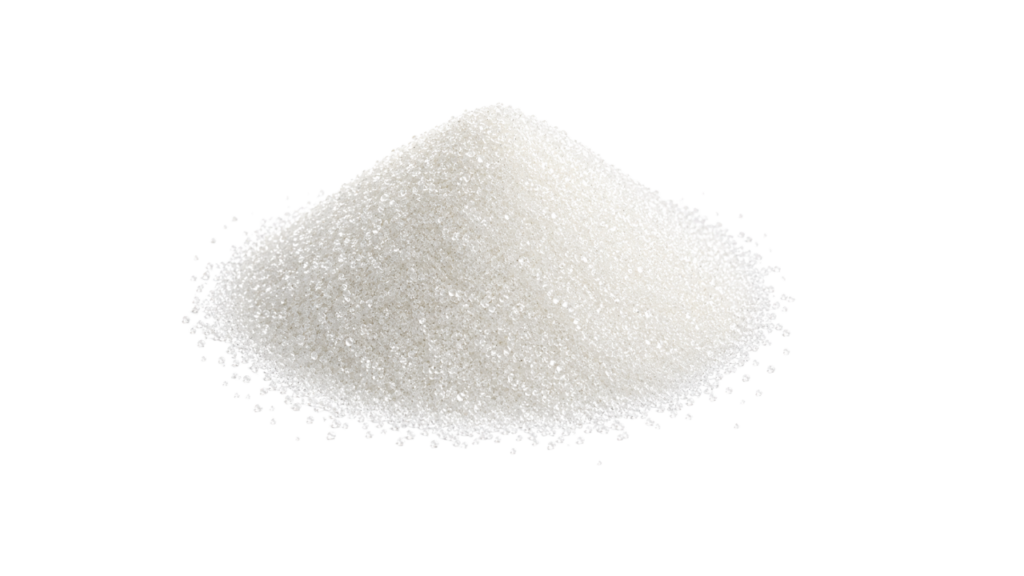
Sugar consists of crystalline sucrose and is typically white in color, although less refined forms may range from golden to brown. It has a clean, sweet taste and dissolves readily in liquids. Sugar is shelf-stable when properly stored and is available in various crystal sizes and processing grades.
Nutritional Value
Sugar is primarily a source of carbohydrates and provides energy. It contains approximately 4 calories per gram and contributes sweetness to foods and beverages. Refined sugar contains minimal amounts of vitamins and minerals.
Seasonality and Origin
Sugar is produced year-round through the processing of sugarcane and sugar beet crops. Major producing countries include Brazil, India, Thailand, China, and the United States. Extensive processing and storage infrastructure ensure continuous global availability.
Common Applications
• Sweetening beverages
• Baking and confectionery
• Desserts and pastries
• Jams and preserves
• Food processing
• Beverage manufacturing
Storage and Handling
Proper storage is essential to maintain quality and prevent moisture absorption.
• Store in a cool, dry location
• Relative humidity: Low humidity preferred
• Shelf life: Indefinite under proper storage conditions
• Keep containers tightly sealed
• Protect from moisture and contamination
• Store away from strong odors
Origin and Background
Sugar production originated from sugarcane cultivation in South and Southeast Asia and later expanded worldwide. The development of sugar beet processing further increased global production. Today, sugar remains one of the most widely traded agricultural commodities and a key ingredient in food manufacturing.
Grades and Quality Standards
Extra Fancy Grade
• Uniform crystal size and appearance
• High purity and brightness
• Free from contamination and foreign material
Fancy Grade
• Slight variations in crystal size
• Minor cosmetic differences permitted
• Suitable for retail distribution
Commercial / Processing Grade
• Meets industry standards for intended use
• Used for food processing and manufacturing applications
• May vary in crystal size and refining specifications