
Product Overview
Sugar cane is a tropical grass crop widely cultivated for its high sugar content and extensive use in food, beverage, and industrial applications. In fresh produce markets, sugar cane is sold as whole stalks or cut pieces for direct consumption and juice extraction. It is a key agricultural commodity with strong demand in both local and global markets.
Key Characteristics
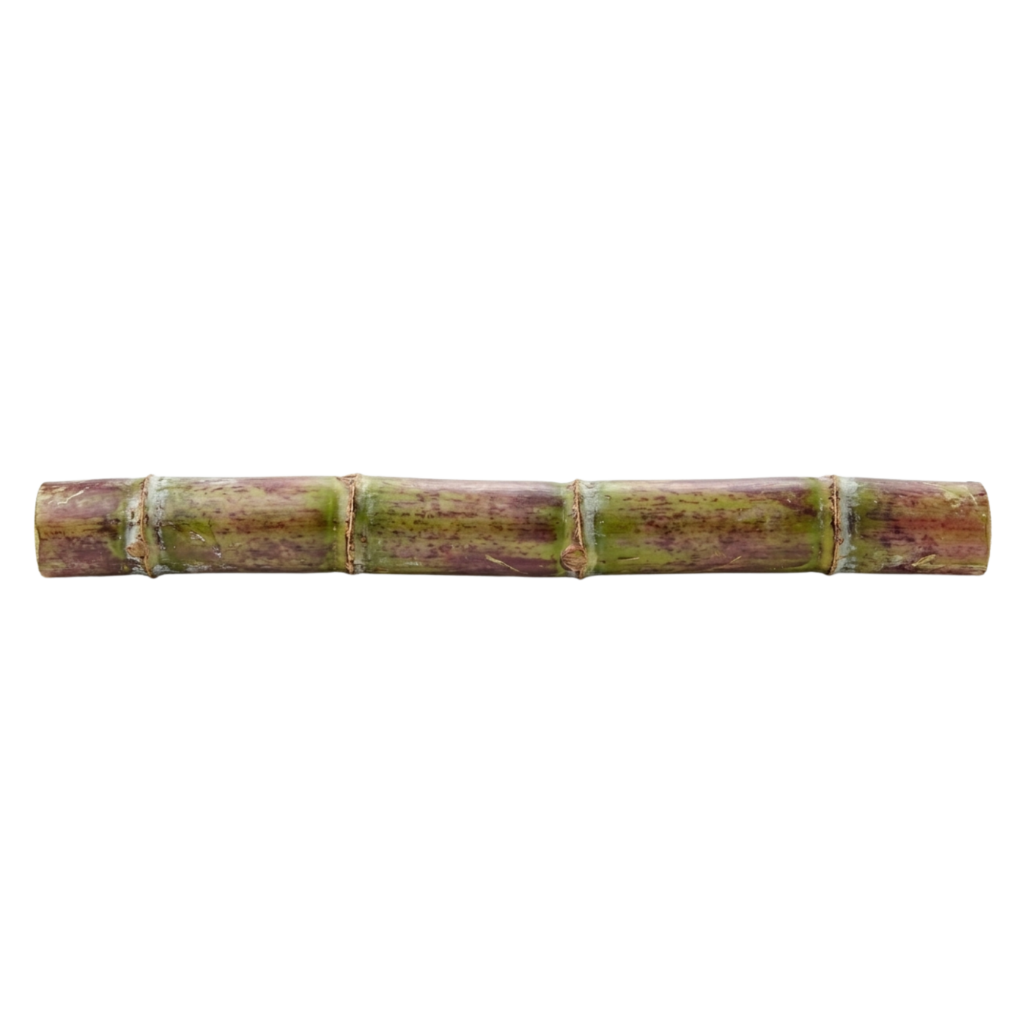
Sugar cane consists of long, fibrous stalks with a hard outer rind and a juicy, sweet interior. The stalks are segmented with nodes and can vary in color from green to purple depending on the variety. The inner flesh is rich in natural sugars and releases sweet juice when chewed or pressed. Texture is fibrous and requires chewing to extract the juice.
Nutritional Value
Sugar cane juice contains natural sugars, small amounts of vitamins such as vitamin C, and minerals including calcium, magnesium, and potassium. It provides quick energy but is typically consumed in moderation due to its high sugar content.
Seasonality and Origin
Sugar cane is grown in tropical and subtropical regions, with major production in countries such as Brazil, India, China, and Thailand. It is harvested seasonally but is available year-round in many markets due to staggered cultivation and processing.
Common Applications
• Fresh chewing and consumption
• Juice extraction and beverages
• Sweeteners and sugar production
• Traditional drinks and syrups
• Fermented products and alcohol production
• Industrial uses such as molasses and ethanol
Storage and Handling
Proper storage is essential to maintain juice quality and freshness.
• Recommended storage temperature: 50°F to 60°F
• Relative humidity: 85–90%
• Store in a cool, dry, well-ventilated area
• Avoid prolonged exposure to sunlight to prevent drying
• Keep stalks intact to retain moisture
• Handle carefully to prevent cracking and juice loss
Origin and Background
Sugar cane is believed to have originated in Southeast Asia and has been cultivated for thousands of years. It spread globally through trade and became a major crop for sugar production. Today, it remains one of the most important agricultural commodities worldwide.
Grades and Quality Standards
Extra Fancy Grade
• Fresh, juicy stalks
• Uniform size and color
• Free from cracks, dryness, or decay
• High sugar content
Fancy Grade
• Slight variations in size and appearance
• Minor surface imperfections allowed
• Suitable for retail and juice extraction
Commercial / Processing Grade
• Visible defects permitted
• May include smaller or slightly dry stalks
• Used for processing and industrial applications