
Product Overview
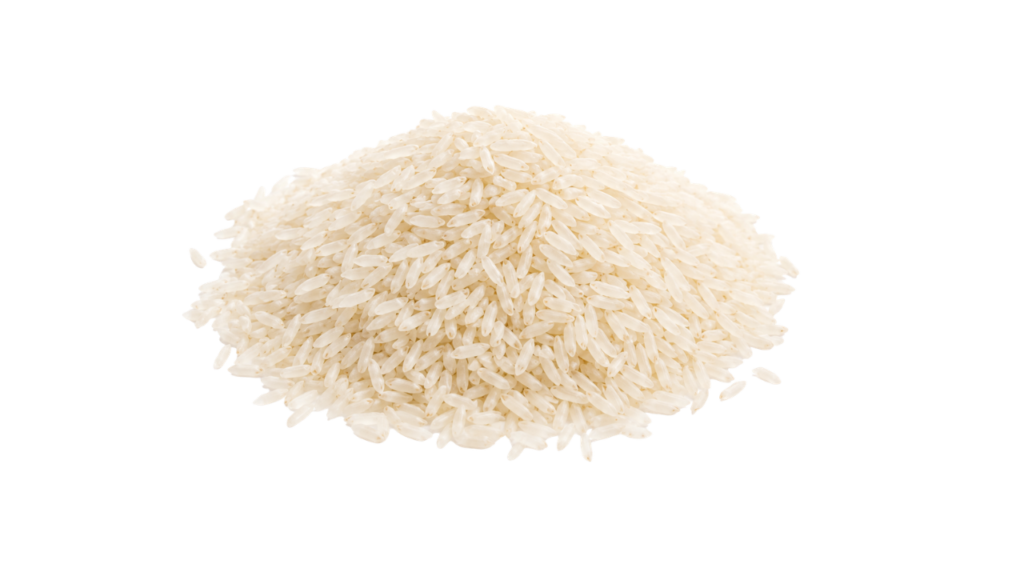
Rice is one of the world’s most important cereal grains and a staple food for more than half of the global population. It is widely traded in both domestic and international markets and serves as a key commodity in retail, food service, and food processing sectors. it is consumed in numerous forms and is valued for its versatility, shelf stability, and nutritional contribution.
Key Characteristics
Rice is the edible seed of the Oryza sativa or Oryza glaberrima plant. Grains vary in size, shape, color, and texture depending on the variety. Rice may be marketed as paddy, brown, white, parboiled, or specialty. Flavor ranges from neutral to aromatic, with textures varying from fluffy to sticky after cooking.
Nutritional Value
Rice is primarily a source of carbohydrates and provides energy. It contains small amounts of protein and essential minerals. Brown rice retains the bran layer and provides additional dietary fiber, vitamins, and minerals compared to refined white rice.
Seasonality and Origin
Rice is cultivated in tropical, subtropical, and temperate regions worldwide. Major producing countries include China, India, Indonesia, Bangladesh, Vietnam, Thailand, and Pakistan. Due to extensive storage and processing infrastructure, it is available year-round.
Common Applications
• Cooked rice dishes
• Side dishes
• Soups and stews
• flour products
• Breakfast cereals
• Processed food products
Storage and Handling
Proper storage is essential to maintain quality and prevent pest infestation.
• Recommended storage temperature: 50°F to 70°F
• Relative humidity: Below 70%
• Shelf life:
- White rice: Up to several years under proper storage
- Brown rice: 3–6 months due to higher oil content
• Store in a cool, dry location
• Use airtight containers when possible
• Protect from moisture, insects, and direct sunlight
• Rotate stock regularly for freshness
Origin and Background
Rice originated in Asia and has been cultivated for thousands of years. It became one of the most important agricultural crops in human history and remains a staple food across much of the world. Modern production focuses on yield improvement, grain quality, disease resistance, and sustainability.
Grades and Quality Standards
Extra Fancy Grade
• Uniform grain size and appearance
• Clean, well-milled grains
• Free from foreign material and defects
Fancy Grade
• Slight variations in grain size and appearance
• Minor imperfections allowed
• Suitable for retail distribution
Commercial / Processing Grade
• Visible defects permitted within industry standards
• Maintains cooking quality
• Used for processing and bulk foodservice applications