
Product Overview
Rambutan is a tropical fruit widely traded in regional and international markets, valued for its unique appearance, sweet flavor, and refreshing texture. It is primarily consumed fresh and is an important commodity in retail and food service sectors, especially in Asian markets. Due to its delicate nature and short shelf life, rambutan requires careful handling and distribution.
Key Characteristics
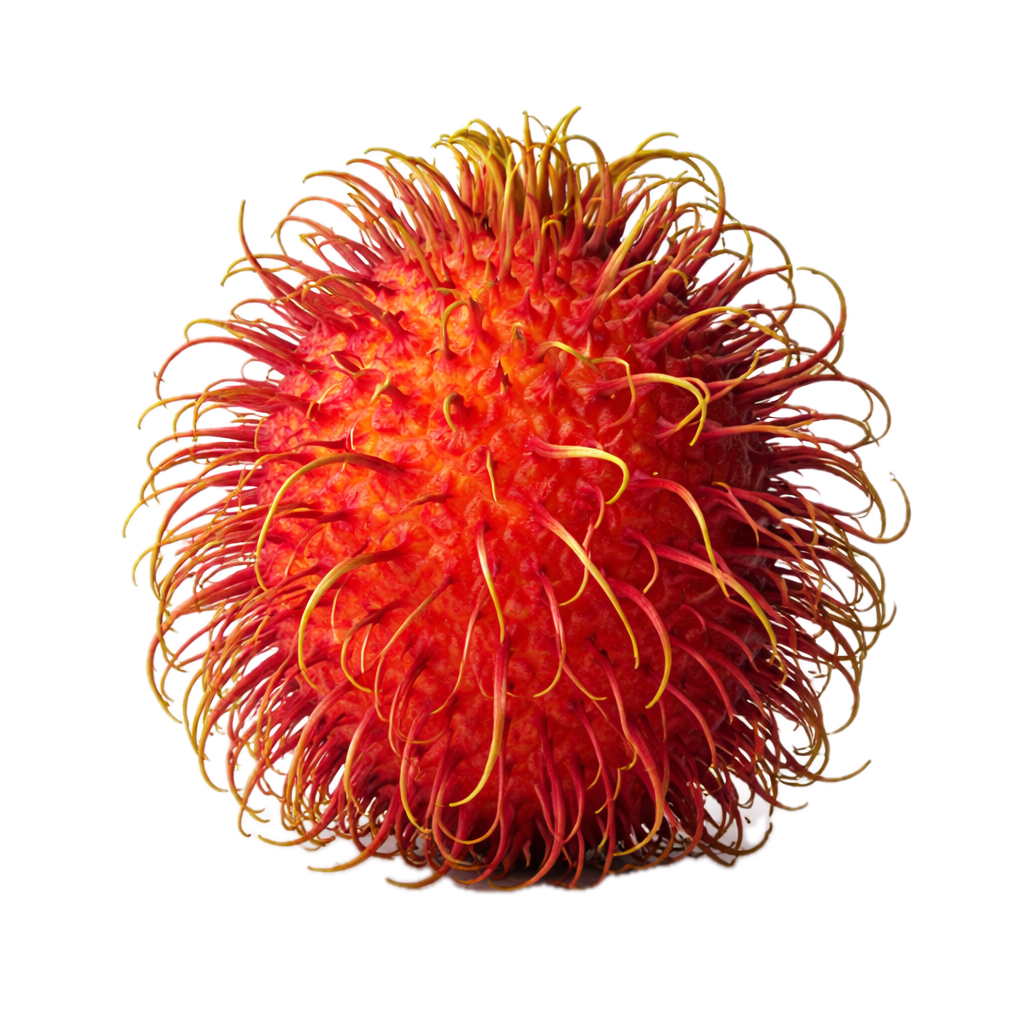
Rambutan is a small, round to oval fruit with a distinctive hairy outer skin, typically red or yellow with soft spines. The outer peel encloses translucent white flesh that is juicy and tender, surrounding a single seed. Flavor is sweet with slight acidity, similar to lychee. Rambutan is non-climacteric and does not ripen further after harvest.
Nutritional Value
Rambutan is a good source of vitamin C and provides dietary fiber. It contains antioxidants and small amounts of iron and calcium. Its high water content makes it refreshing and hydrating.
Seasonality and Origin
Rambutan is grown in tropical regions and is typically available seasonally, depending on the region. Major producing countries include Thailand, Indonesia, Malaysia, Vietnam, and the Philippines. Availability may vary, but it is commonly found in markets during peak tropical fruit seasons.
Common Applications
• Fresh consumption
• Fruit salads and desserts
• Juices and beverages
• Canned and processed products
• Culinary presentations
Storage and Handling
Proper handling is essential to maintain freshness and prevent dehydration.
• Recommended storage temperature: 50°F to 55°F
• Relative humidity: 90–95%
• Shelf life: 5–7 days under optimal conditions
• Store in high humidity to prevent drying of skin
• Avoid washing before storage
• Maintain cool conditions to extend freshness
• Handle gently to avoid skin damage
Origin and Background
Rambutan originated in Southeast Asia and has been cultivated for centuries. It is closely related to lychee and longan and plays an important role in tropical fruit markets. Modern cultivation focuses on improving fruit size, sweetness, and shelf life for commercial distribution.
Grades and Quality Standards
Extra Fancy Grade
• Bright, uniform color with fresh spines
• Firm fruit with no signs of dehydration
• Free from defects and decay
Fancy Grade
• Slight variations in color and appearance
• Minor imperfections allowed
• Suitable for retail distribution
Commercial / Processing Grade
• Visible defects permitted
• May include slight dehydration or discoloration
• Used for processing and bulk applications