
Product Overview
Pears are widely cultivated fruits valued for their smooth texture, delicate sweetness, and versatility across fresh and processed markets. Available in numerous varieties, pears are an important commodity in retail, food service, and industrial applications due to their attractive appearance, consumer appeal, and ability to be stored for extended periods under proper conditions.
Key Characteristics
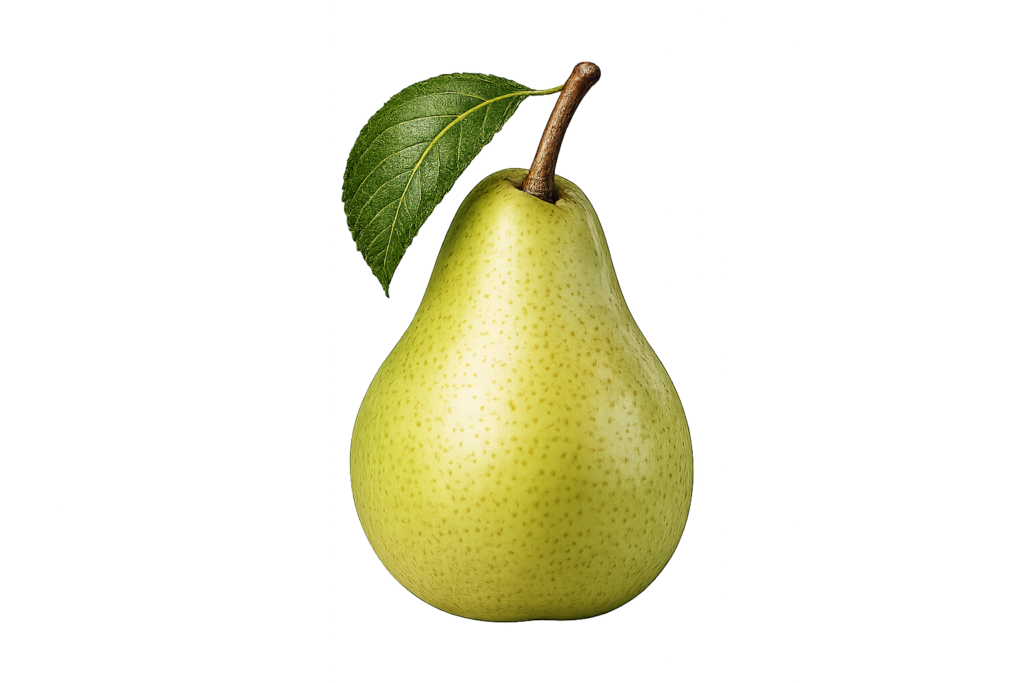
Pears typically feature a bell-shaped or rounded form with thin skin that may range in color from green and yellow to red or brown depending on the variety. The flesh is juicy, smooth, and buttery when fully ripe, with a sweet and mildly floral flavor. Texture can vary from crisp and firm to soft and melting depending on the cultivar and ripeness stage. Unlike many fruits, pears are generally harvested mature but unripe and continue to ripen after harvest.
Nutritional Value
Pears are an excellent source of dietary fiber, particularly soluble fiber, and provide vitamin C along with beneficial antioxidants. They are naturally low in calories and contain small amounts of potassium, copper, and vitamin K. Pears are widely recognized for supporting digestive health and overall wellness.
Seasonality and Origin
Peak Season: August to October (Northern Hemisphere)
Pears are grown in temperate regions around the world, with major production areas including China, the United States, Argentina, Italy, South Africa, and Chile. Through controlled atmosphere storage and global sourcing, pears are available year-round in most commercial markets.
Common Applications
• Fresh consumption
• Fruit salads and fresh-cut applications
• Baking (pies, tarts, pastries)
• Cooking (poaching, sauces, compotes)
• Juice and beverage production
• Canning and processing
• Drying and snack production
Storage and Handling
Proper storage is essential to maintain pear quality and achieve optimal ripening.
• Recommended storage temperature: 30°F to 32°F
• Relative humidity: 90–95%
• Store under controlled atmosphere (CA) conditions for long-term storage
• Pears may be ripened at room temperature before consumption
• Avoid rough handling to prevent bruising and flesh breakdown
• Ensure adequate ventilation during storage and transport
• Separate from ethylene-sensitive commodities during ripening
Origin and Background
Pears have been cultivated for thousands of years and are believed to have originated in regions of Europe and Asia. Over centuries, selective breeding has produced a wide range of cultivars with unique textures, flavors, and storage characteristics. Modern pear production focuses on fruit quality, shelf life, disease resistance, and consumer preferences across global markets.
Grades and Quality Standards
| U.S. Grade Standards | Days Since Shipment | % of Defects Allowed | Optimum Transit Temp. (F) |
|---|---|---|---|
| 2-1-1 | 5 | 2-1-1 | 30-32° |
| 3-2-1 | 4 | 3-2-1 | 30-32° |
| 4-3-2 | 3 | 4-3-2 | 30-32° |
| 5-4-3 | 2 | 5-4-3 | 30-32° |
| 6-5-4 | 1 | 6-5-4 | 30-32° |
Extra Fancy Grade
• Uniform size and shape
• Excellent color and appearance
• High firmness and optimal maturity
• Free from bruises, cuts, and defects
Fancy Grade
• Slight variations in color and shape
• Minor cosmetic imperfections allowed
• Suitable for retail and wholesale distribution
Commercial / Processing Grade
• Visible external defects permitted
• Maintains acceptable internal quality
• Used for juice, canning, purees, sauces, and processed products
• Used for juice, sauces, and processed products
Types of Apples
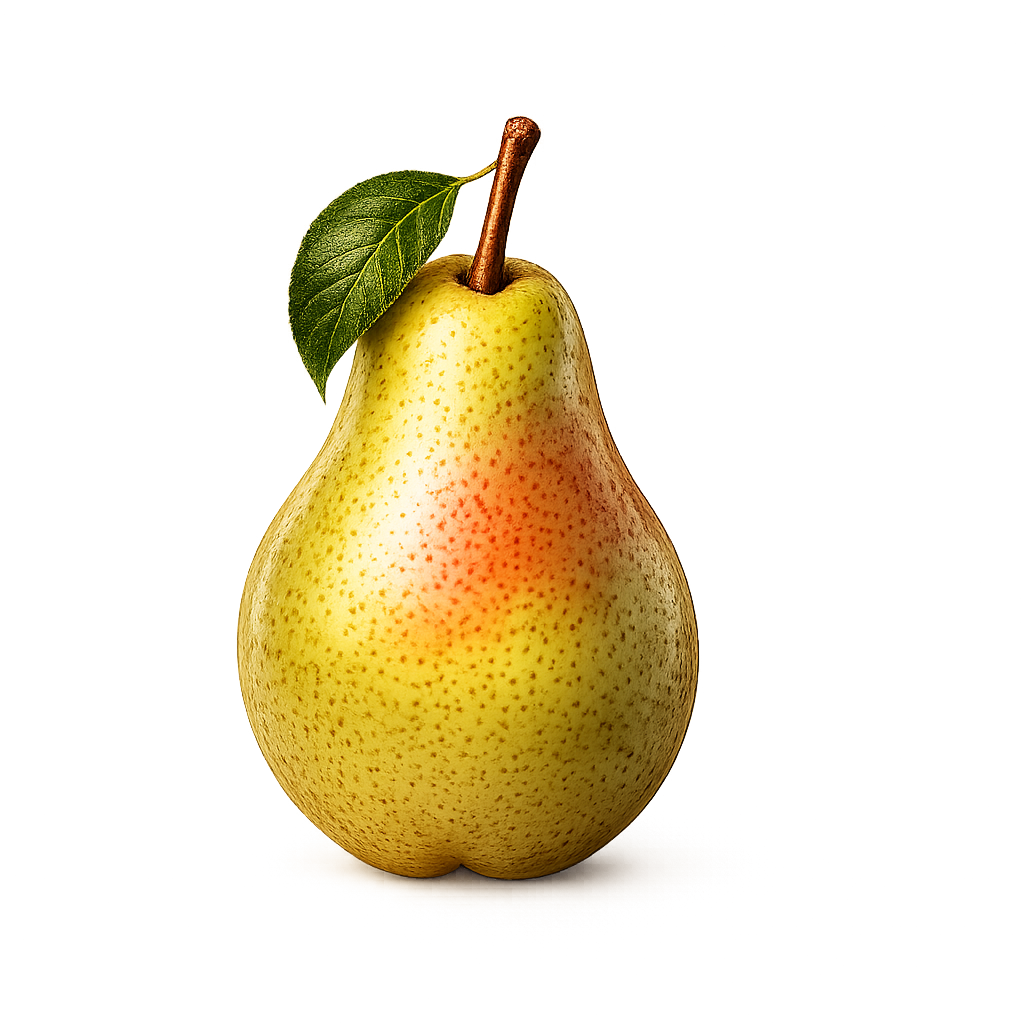
Bartlett
Pear – Bartlett is one of the most widely recognized and commercially important pear varieties in global fresh fruit markets.
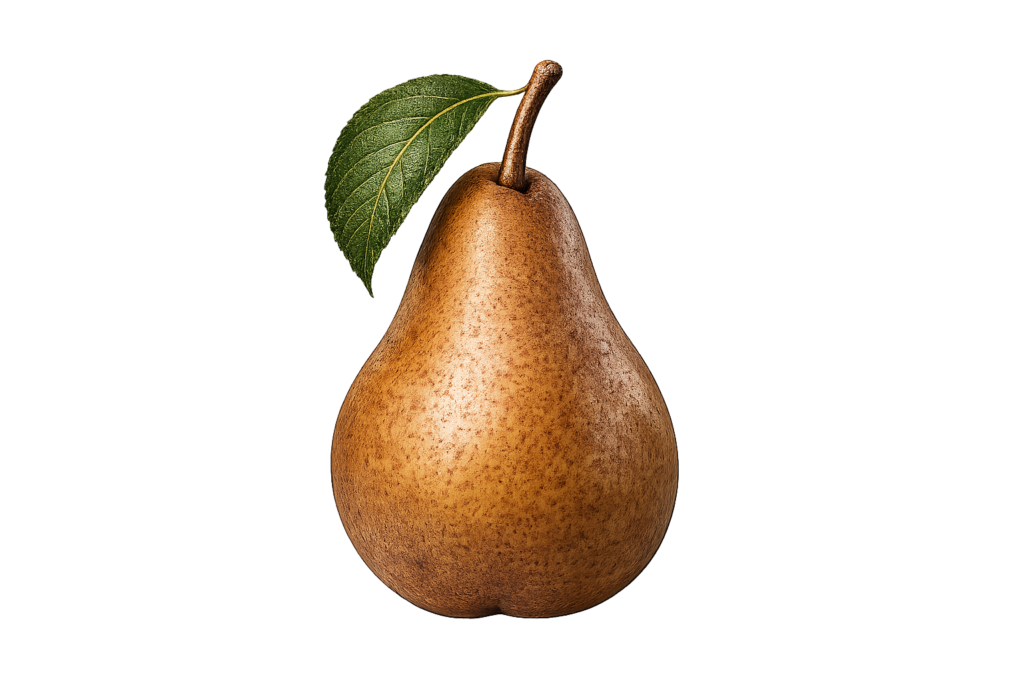
Bosch
Pear – Bosch is a premium pear variety valued for its firm texture, rich flavor, and excellent suitability for cooking and baking.
D’Anjou
D’Anjou is a widely cultivated and commercially important pear variety known for its smooth texture, mild sweetness, and excellent storage capability.