Product Overview
Pears are a widely consumed pome fruit known for their smooth texture, subtle sweetness, and versatility in both fresh and processed markets. They are an important commodity in retail and food service sectors due to their broad consumer appeal and availability in multiple varieties. Pears are typically harvested mature but unripe, allowing for controlled ripening during distribution.
Key Characteristics
Pears are medium-sized fruits with a characteristic bell-shaped or round form depending on the variety. The skin may be smooth or slightly russeted and ranges in color from green to yellow to brown. The flesh is soft, juicy, and fine-grained when ripe. Flavor varies from mildly sweet to rich and aromatic. Pears are climacteric fruits, meaning they continue to ripen after harvest.
Nutritional Value
Pears are a good source of dietary fiber, particularly soluble fiber, which supports digestive health. They also provide vitamin C, potassium, and antioxidants. Pears are naturally low in fat and calories, making them suitable for a balanced diet.
Seasonality and Origin
Pears are grown in temperate regions worldwide. In the United States, major production comes from Washington, Oregon, and California, with harvest typically occurring from late summer through fall. Globally, key producing countries include China, Italy, Argentina, and Spain. Due to controlled atmosphere storage, pears are available in markets for extended periods beyond the harvest season.
Common Applications
• Fresh consumption
• Baking (pies, tarts, cakes)
• Poaching and desserts
• Salads and savory dishes
• Juices and beverages
• Canning and processing
Storage and Handling
Proper storage is essential to manage ripening and maintain quality.
• Recommended storage temperature: 30°F to 32°F
• Relative humidity: 90–95%
• Shelf life: Several weeks to months under controlled atmosphere storage
• Ripen at room temperature after removal from cold storage
• Handle carefully to prevent bruising
• Store away from strong odors
• Use ethylene management for controlled ripening
Origin and Background
Pears have been cultivated for thousands of years, with origins traced to Europe and Asia. They have long been valued for their flavor and storage potential. Modern commercial production focuses on improving texture, shelf life, and resistance to handling damage, making pears suitable for both domestic and export markets.
Grades and Quality Standards
| U.S. Grade Standards | Days Since Shipment | % of Defects Allowed | Optimum Transit Temp. (°F) |
| 10-5-1 | 5 4 3 2 1 | 15-8-3 14-8-3 13-7-2 11-6-1 10-5-1 | 32° |
Extra Fancy Grade
• Uniform size, shape, and color
• Free from blemishes, bruising, and defects
• Firm with proper maturity
Fancy Grade
• Minor variations in appearance
• Slight surface imperfections allowed
• Suitable for retail distribution
Commercial / Processing Grade
• Visible defects permitted
• Maintains internal quality
• Used for canning, juicing, and processing
Types of Pear
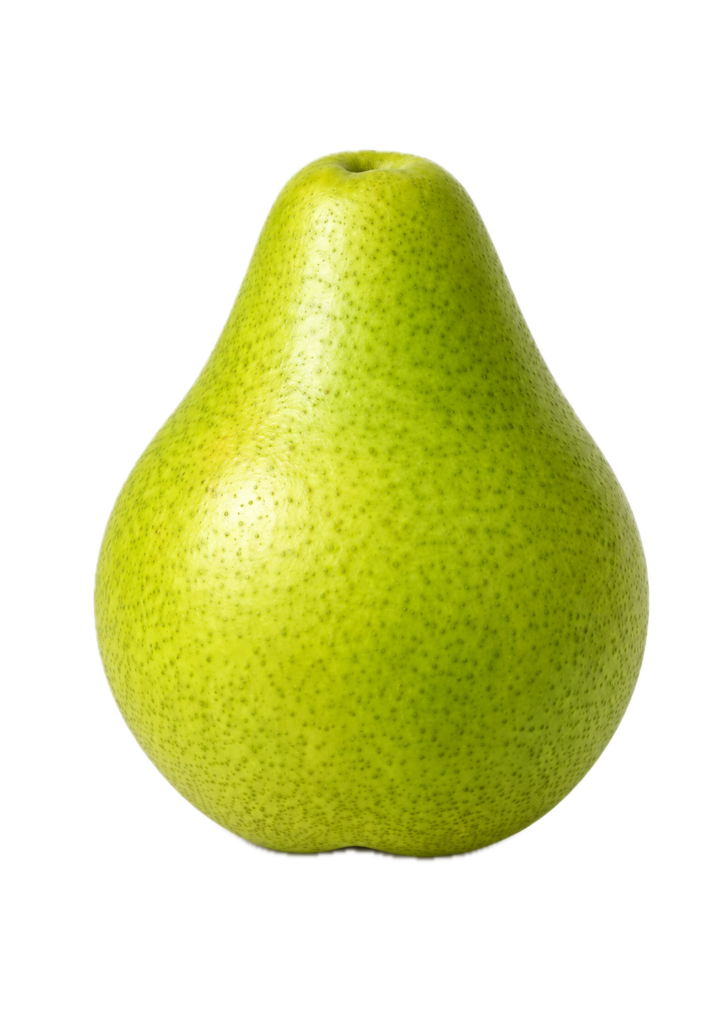
Pear – Bartlett
One of the most widely recognized pear varieties. It has a classic bell shape with smooth green skin that turns yellow when ripe. Known for its sweet, juicy flesh, it is commonly used for fresh consumption and canning.
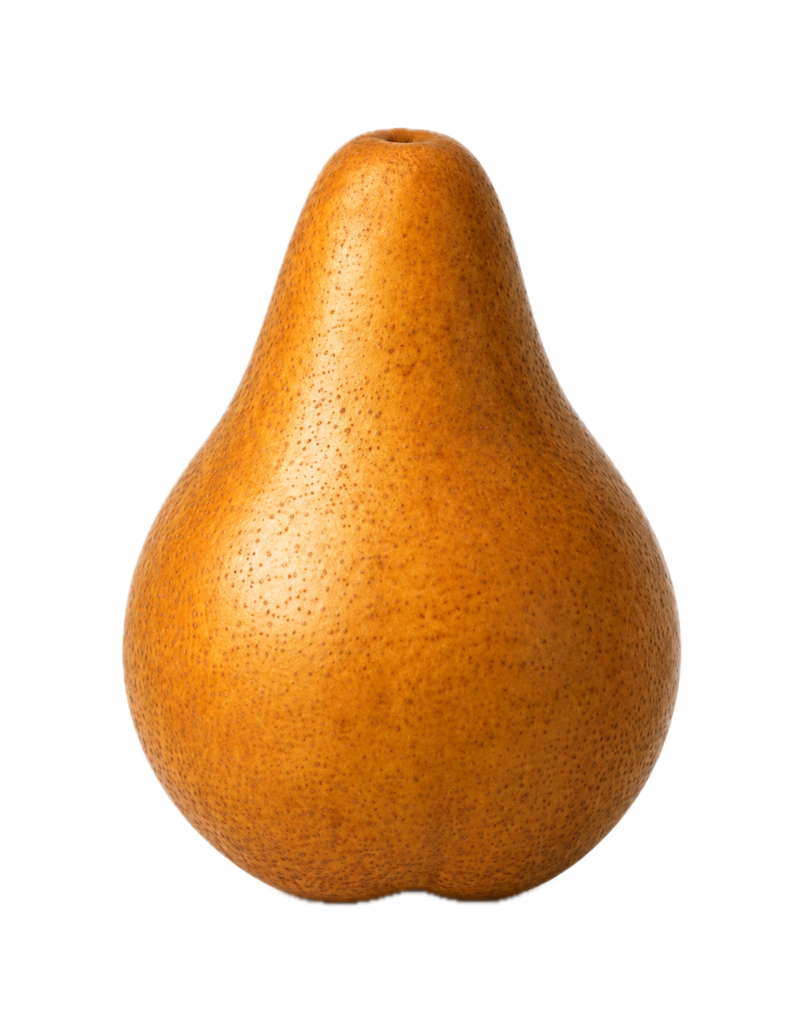
Pear – Bosc
Bosc pears are distinguished by their elongated neck and russeted brown skin. They have a firm texture and a mildly sweet, spicy flavor. Well-suited for baking and cooking as they hold their shape.
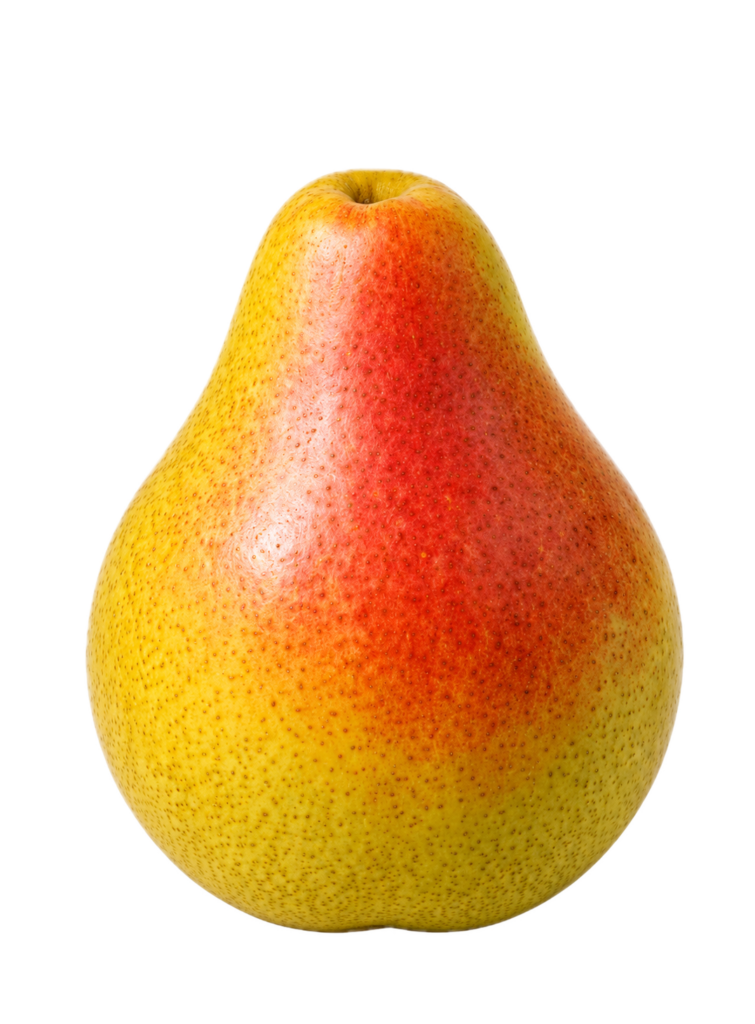
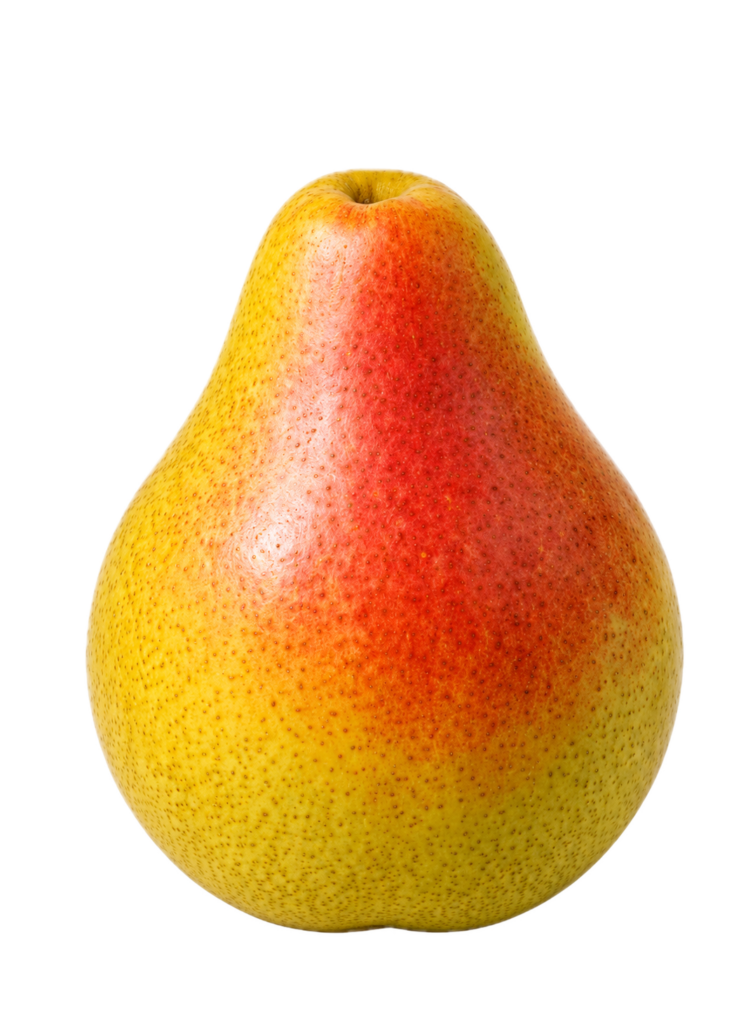
Pear – D’Anjou
D’Anjou pears are available in green and red varieties. They have a more rounded shape with smooth skin and a mild, slightly sweet flavor. Known for their versatility, they are used for fresh eating, salads, and cooking.