
Product Overview
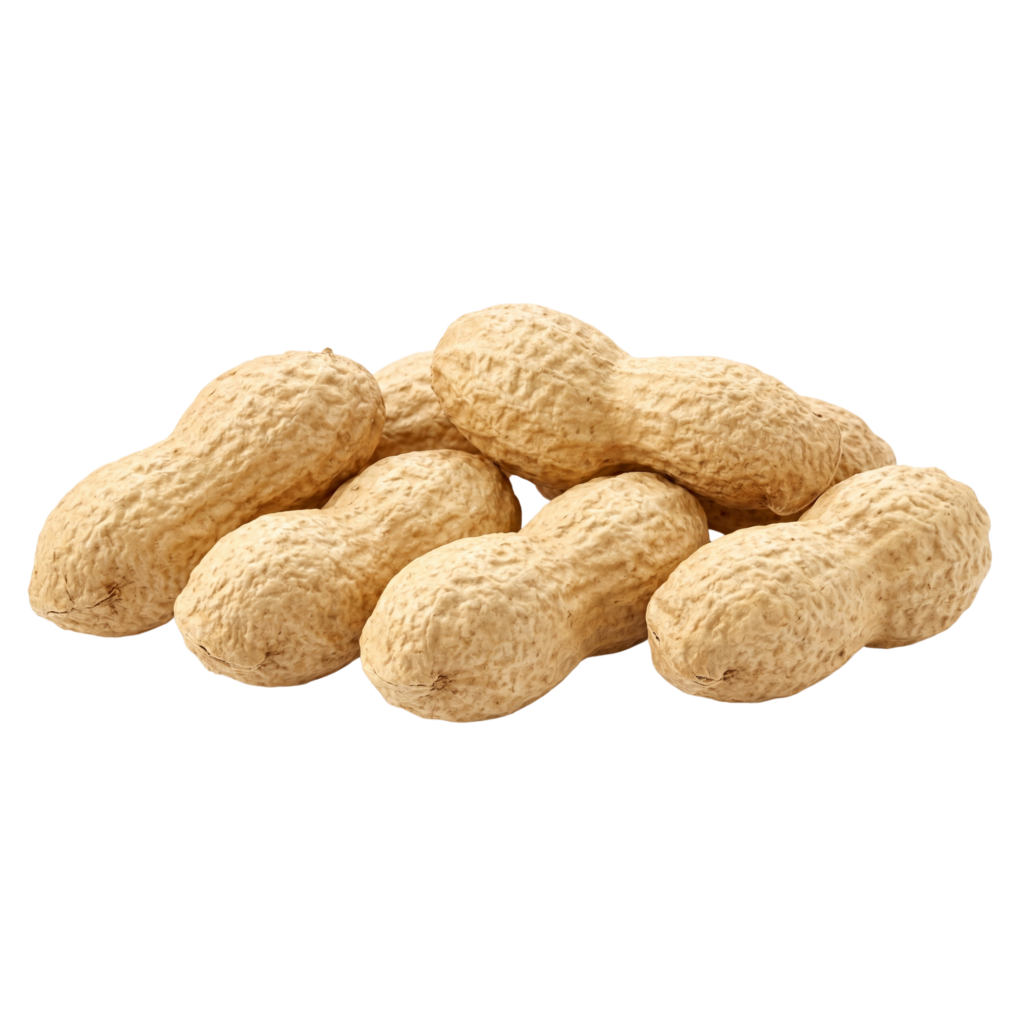
Peanuts are widely consumed legumes valued for their high nutritional content, versatility, and extensive use in both fresh and processed markets. Though commonly referred to as nuts, peanuts are botanically legumes and are a major commodity in global agriculture. They are used across retail, food service, and industrial sectors in various forms including raw, roasted, and processed products.
Key Characteristics
Peanuts grow underground and are encased in a thin, light brown shell containing one to three seeds. The kernels are oval-shaped with a reddish-brown skin and a firm texture. Flavor is mild and nutty when raw, becoming richer and more pronounced when roasted. Texture ranges from crunchy to creamy depending on preparation.
Nutritional Value
Peanuts are an excellent source of plant-based protein, healthy fats, and dietary fiber. They also provide essential nutrients such as vitamin E, magnesium, potassium, and B vitamins. Their high energy content makes them a popular snack and ingredient in various food products.
Seasonality and Origin
Peanuts are grown in warm climates, with major production in countries such as China, India, the United States, and Nigeria. They are harvested seasonally but are available year-round due to drying, storage, and processing.
Common Applications
• Roasted and salted snacks
• Peanut butter and spreads
• Cooking in sauces and curries
• Confectionery and desserts
• Oil extraction
• Flour and processed food products
Storage and Handling
Proper storage is essential to maintain quality and prevent spoilage.
• Recommended storage temperature: 50°F to 60°F
• Relative humidity: 60–70%
• Store in a cool, dry, well-ventilated area
• Use airtight containers to prevent moisture and pest infestation
• Keep away from direct sunlight
• Monitor for signs of mold or rancidity
Origin and Background
Peanuts are believed to have originated in South America and were later spread globally through trade. They have become a staple crop in many regions due to their nutritional value and economic importance. Modern cultivation focuses on yield, disease resistance, and improved storage quality.
Grades and Quality Standards
Extra Fancy Grade
• Uniform size and clean appearance
• Well-filled shells or kernels
• Free from damage, mold, and foreign material
• High overall quality
Fancy Grade
• Slight variations in size and appearance
• Minor defects permitted
• Suitable for retail and general consumption
Commercial / Processing Grade
• Visible defects permitted
• May include broken or uneven kernels
• Used for processing, oil extraction, and industrial applications