
Product Overview
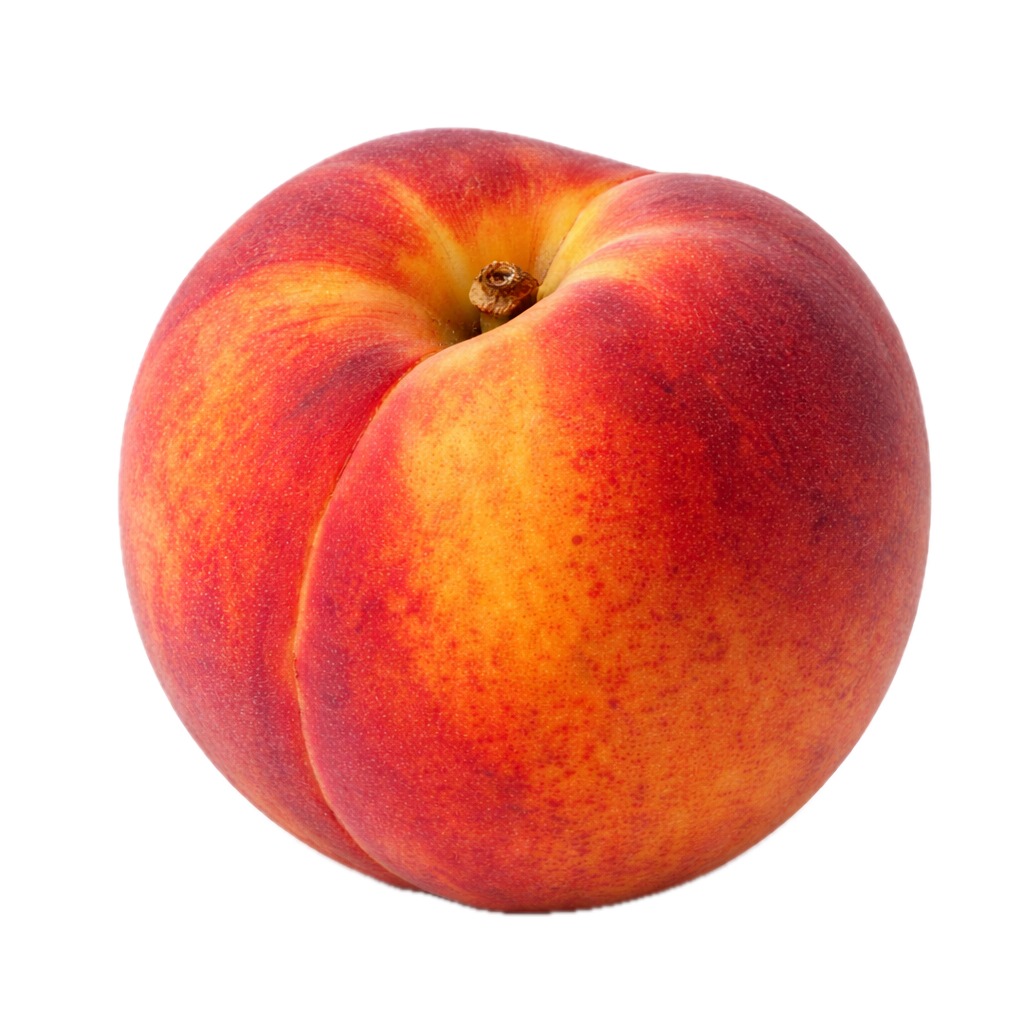
Peaches are a widely traded stone fruit valued for their sweet flavor, juicy texture, and strong consumer appeal. They are marketed primarily for fresh consumption but are also used extensively in processed products. Due to their seasonal availability and delicate nature, peaches are considered a premium commodity in retail and food service markets.
Key Characteristics
Peaches are round fruits with a characteristic fuzzy skin that ranges in color from yellow to red with varying blush. The flesh is juicy, soft, and aromatic, surrounding a central pit. Flesh color may be yellow or white depending on the variety. Flavor ranges from sweet to mildly tart. Peaches are climacteric fruits and continue to ripen after harvest.
Nutritional Value
Peaches are a good source of vitamin C and vitamin A. They provide dietary fiber and contain antioxidants that support overall health. Peaches are low in calories and have high water content, contributing to hydration.
Seasonality and Origin
Peaches are grown in temperate regions. In the United States, major production occurs in California, South Carolina, and Georgia, with peak availability during summer months. Globally, key producers include China, Italy, Spain, and Greece. Due to their seasonal nature, peaches are primarily available during warmer months.
Common Applications
• Fresh consumption
• Baking (pies, cobblers, tarts)
• Desserts and confectionery
• Juices and beverages
• Salads and culinary dishes
• Canning and processing
Storage and Handling
Proper handling is essential to maintain quality and manage ripening.
• Recommended storage temperature: 32°F to 36°F
• Relative humidity: 90–95%
• Shelf life: 1–2 weeks depending on ripeness
• Ripen at room temperature if firm
• Refrigerate once ripe to slow softening
• Handle carefully to prevent bruising
• Store away from strong odors
Origin and Background
Peaches are believed to have originated in China and have been cultivated for thousands of years. They spread to other regions through trade and agricultural expansion. Modern production focuses on improving flavor, firmness, and shelf life for commercial distribution.
Grades and Quality Standards
| U.S. Grade Standards | Days Since Shipment | % of Defects Allowed | Optimum Transit Temp. (°F) |
| 14-7-2 | 5 4 3 2 1 | 17-8-4 16-8-3 15-8-3 14-7-2 14-7-2 | 31-32° |
Extra Fancy Grade
• Uniform size, shape, and color
• Smooth, well-developed skin with minimal defects
• Proper maturity and firmness
Fancy Grade
• Minor variations in size and appearance
• Slight cosmetic imperfections allowed
• Suitable for retail distribution
Commercial / Processing Grade
• Visible defects permitted
• May include surface damage or irregular shape
• Used for processing and foodservice applications