
Product Overview
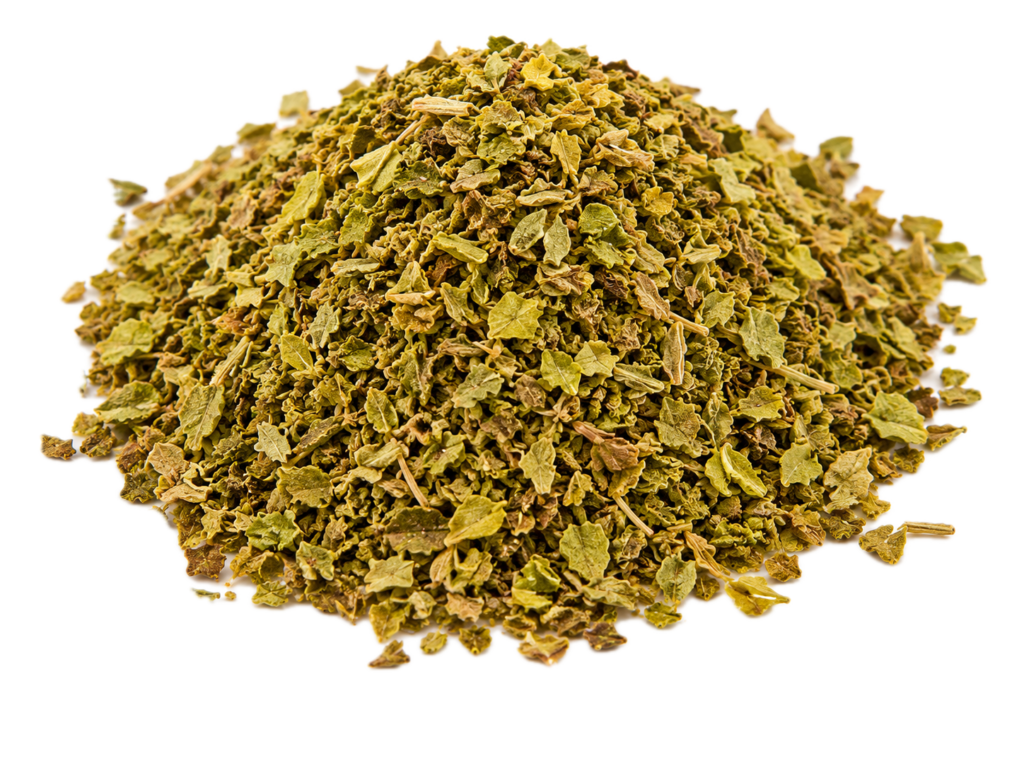
Oregano is a widely used culinary herb valued for its robust aroma, earthy flavor, and versatility in global cuisine. Derived primarily from the leaves of Origanum vulgare, oregano is commonly marketed in dried, crushed, or ground form and is an essential ingredient in retail, food service, and food manufacturing sectors. Its strong flavor profile, long shelf life, and broad consumer acceptance make it one of the most important herbs in the international spice trade.
Key Characteristics
Oregano consists of small green to olive-green leaves that possess a warm, aromatic flavor with slightly peppery, earthy, and mildly bitter notes. The herb contains naturally occurring essential oils, including carvacrol and thymol, which contribute to its distinctive aroma and flavor intensity. Oregano is commonly available as whole leaves, crushed leaves, or finely ground powder and maintains its quality well when properly stored.
Nutritional Value
Oregano contains dietary fiber and provides small amounts of calcium, iron, magnesium, potassium, and vitamin K. It is also rich in antioxidants and beneficial plant compounds, particularly essential oils that contribute to its characteristic flavor and aroma. While generally consumed in small quantities, oregano contributes valuable phytonutrients to the diet.
Seasonality and Origin
Peak Harvest Season: May to September (varies by growing region)
Oregano is cultivated in Mediterranean and temperate climates around the world. Major producing countries include Turkey, Greece, Italy, Spain, Mexico, and the United States. Due to drying and processing methods, oregano is available year-round in commercial markets.
Common Applications
• Pizza and pasta seasonings
• Mediterranean cuisine
• Sauces and marinades
• Meat and poultry preparations
• Soups and stews
• Spice blends and seasoning mixes
• Food manufacturing applications
Storage and Handling
Proper storage is essential to preserve aroma, flavor, and essential oil content.
• Recommended storage temperature: 50°F to 70°F
• Relative humidity: Below 65%
• Shelf life: 12–24 months under optimal conditions
• Store in a cool, dry, and well-ventilated area
• Protect from direct sunlight and moisture exposure
• Keep containers tightly sealed when not in use
• Avoid exposure to strong odors and contaminants
• Handle carefully to minimize loss of essential oils
Origin and Background
Oregano originated in the Mediterranean region, where it has been cultivated and used for thousands of years in culinary and traditional applications. Ancient civilizations valued oregano for its flavor, aroma, and preservative qualities. As global trade expanded, oregano became a staple herb in cuisines worldwide. Modern cultivation focuses on maximizing leaf quality, essential oil content, yield, and consistency while meeting international food safety standards.
Grades and Quality Standards
Extra Fancy Grade
• Uniform green coloration and leaf size
• High essential oil content and strong aroma
• Minimal stems and foreign material
• Low moisture content
• Free from contamination and defects
Fancy Grade
• Slight variations in color and leaf size
• Good flavor and aroma characteristics
• Minor stem content and cosmetic variations permitted
Commercial / Processing Grade
• Greater variation in color and texture allowed
• May contain higher stem content within acceptable limits
• Used in seasoning blends, extracts, food manufacturing, and industrial processing applications