Product Overview
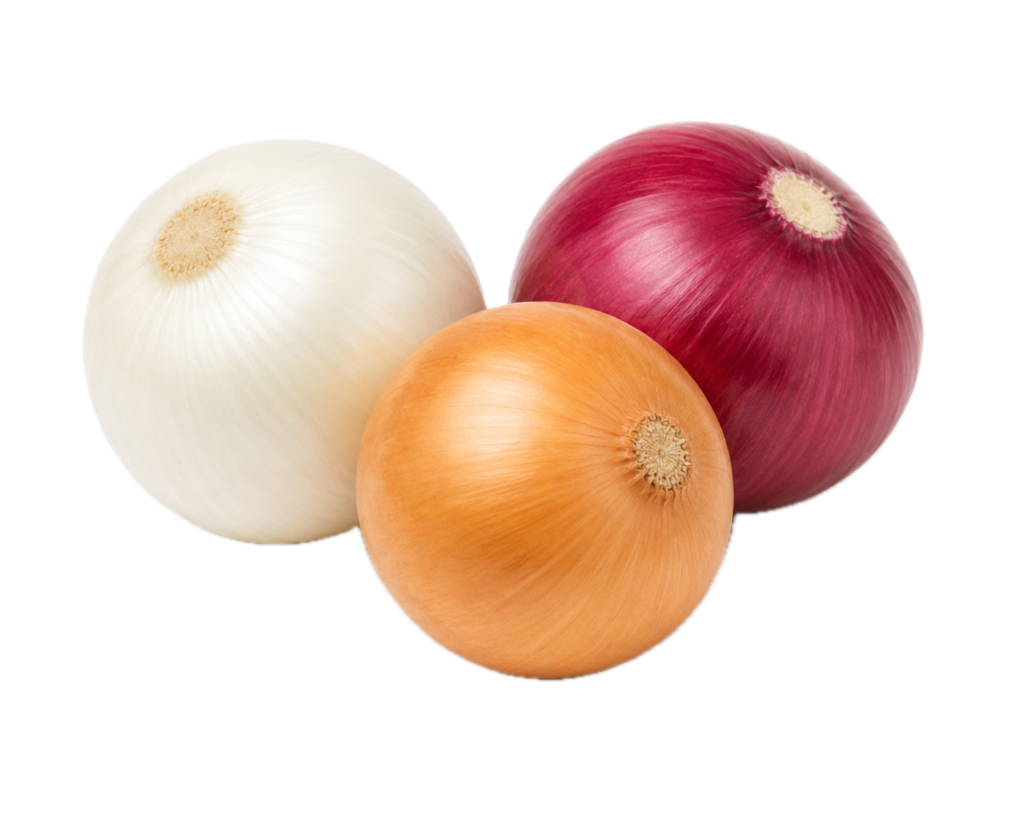
Onions are one of the most essential and widely used vegetables in global cuisine, valued for their strong flavor, versatility, and long storage life. They are a key commodity in fresh produce and processing markets, serving as a foundational ingredient in a wide range of dishes. Onions are consumed raw, cooked, and processed, making them indispensable in both household and commercial kitchens.
Key Characteristics
Onions are bulb vegetables composed of layered, fleshy scales covered by a dry outer skin. They vary in size, shape, and color depending on the variety. Flavor ranges from mild and sweet to sharp and pungent. Texture is crisp when raw and becomes soft and translucent when cooked. Onions release characteristic aroma compounds when cut, contributing to their strong sensory profile.
Nutritional Value
Onions provide vitamin C, dietary fiber, and various antioxidants, including sulfur-containing compounds. They are low in calories and are often used to enhance flavor without significantly increasing caloric intake.
Seasonality and Origin
Onions are cultivated in a wide range of climates, with major production in countries such as China, India, the United States, and Egypt. They are harvested in different seasons depending on the region and are available year-round due to their excellent storage capabilities.
Common Applications
• Cooking in soups, stews, and curries
• Sautéing and caramelizing
• Fresh consumption in salads and sandwiches
• Pickling and preservation
• Sauces and gravies
• Processed products (dehydrated onions, powders)
Storage and Handling
Proper storage is essential to maintain quality and prevent spoilage.
• Recommended storage temperature: 32°F to 36°F
• Relative humidity: 65–75%
• Store in a cool, dry, well-ventilated area
• Avoid moisture to prevent mold and sprouting
• Keep away from direct sunlight
• Do not store near potatoes to reduce spoilage risk
Origin and Background
Onions have been cultivated for thousands of years and are believed to have originated in Central Asia. They have spread globally and are now a staple ingredient in nearly every cuisine. Modern cultivation focuses on yield, storage life, and resistance to pests and diseases.
Grades and Quality Standards
| U.S. Grade Standards | Days Since Shipment | % of Defects Allowed | Optimum Transit Temp. (°F) |
| 10-2 | 5 4 3 2 1 | 15-4 14-4 13-3 11-2 10-2 | Varies |
Extra Fancy Grade
• Uniform size and shape
• Clean, dry outer skin
• Firm bulbs with no soft spots
• Free from sprouting and decay
Fancy Grade
• Slight variations in size and shape
• Minor skin imperfections allowed
• Suitable for retail and wholesale markets
Commercial / Processing Grade
• Visible defects permitted
• May include irregular sizes or slight damage
• Used for processing, cooking, and industrial applications
Types of Onion
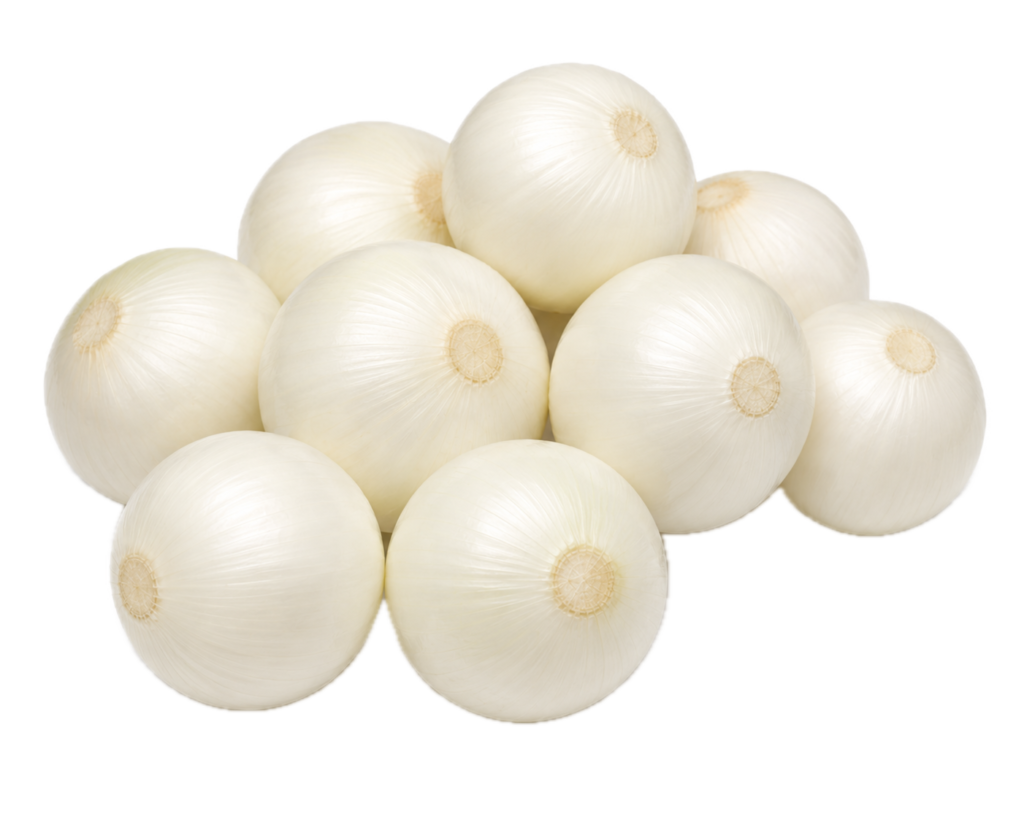
White
White onions have a thin, white skin and a sharp, clean flavor. They are commonly used in fresh applications such as salsas, salads, and light-colored dishes.
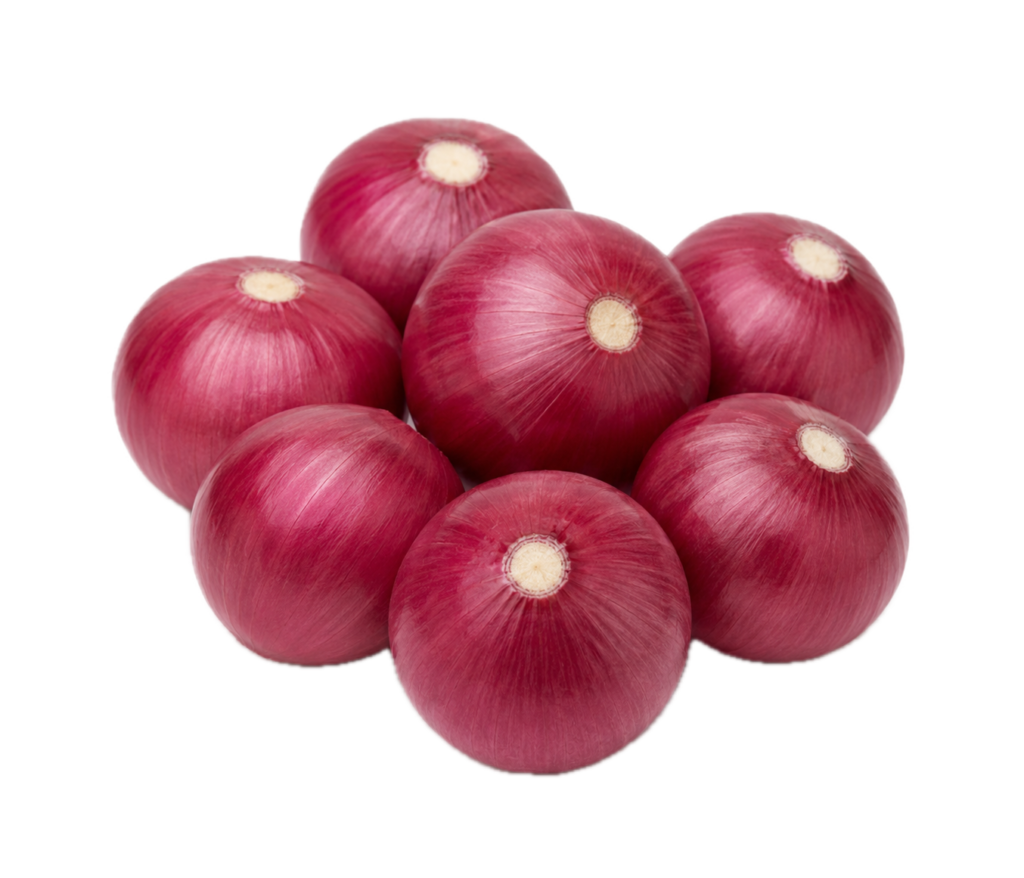
Red
Red onions have a deep purple-red skin and a milder, slightly sweet flavor compared to white onions. They are often used raw in salads, sandwiches, and garnishes due to their color and taste.
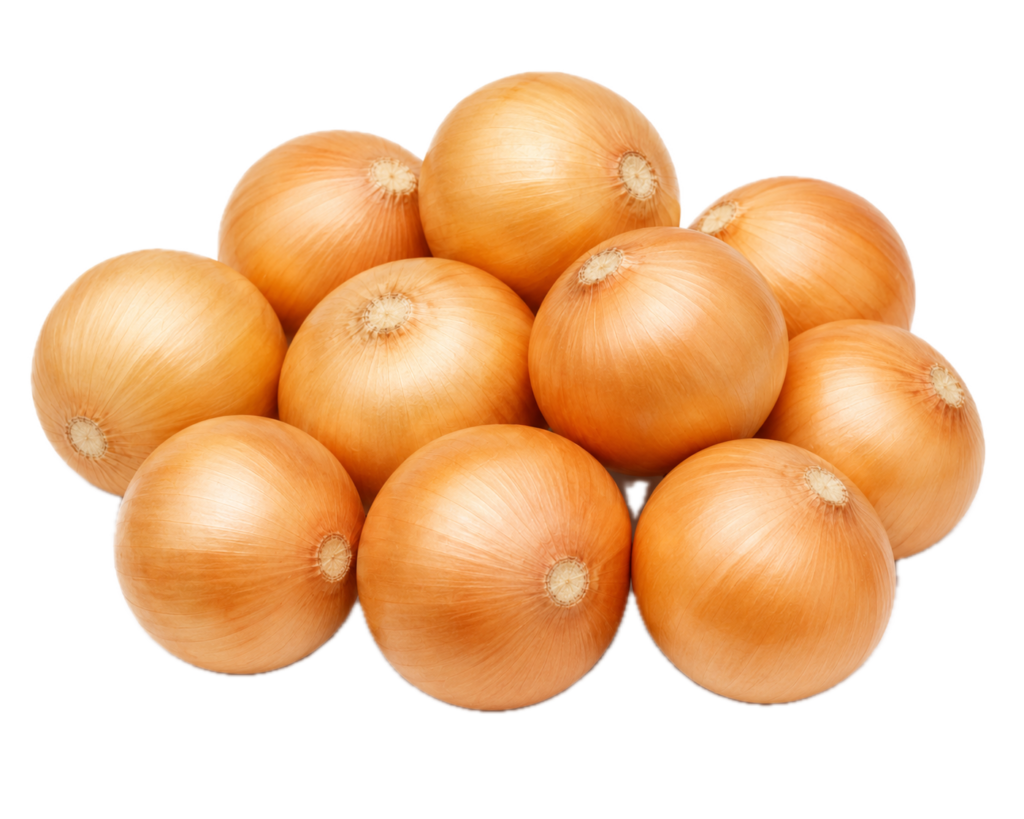
Yellow
Yellow onions are the most commonly used variety, with golden-brown skin and a balanced flavor that becomes sweet when cooked. They are ideal for sautéing, caramelizing, and general cooking applications.
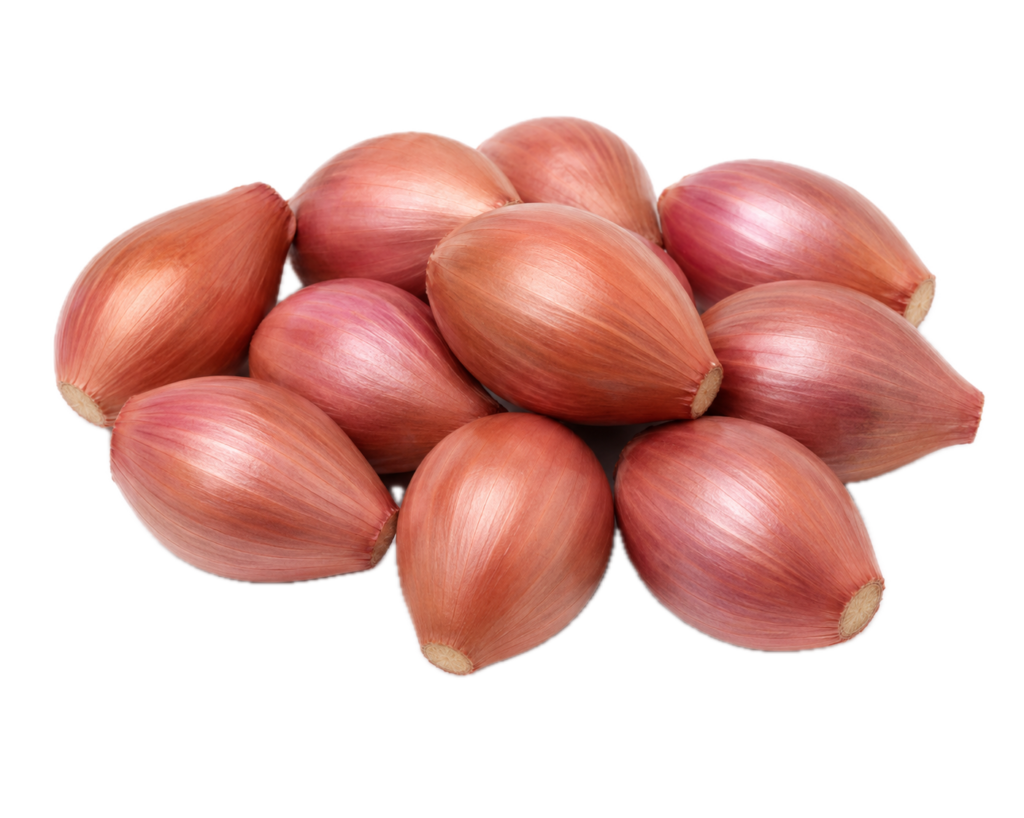
Shallots
Shallots are smaller, elongated bulbs that grow in clusters and have copper, reddish-brown, or pale skin. They offer a milder, sweeter, and more delicate flavor than common onions with subtle garlic notes. Shallots are commonly used in sauces, dressings, gourmet cooking, and culinary preparations requiring a refined onion flavor.