
Product Overview
Okra, also known as lady’s finger, is a widely consumed vegetable valued for its tender pods, unique texture, and versatility in culinary applications. It is a key commodity in fresh produce markets, especially in tropical and subtropical regions, and is used extensively in retail, food service, and processing industries.
Key Characteristics
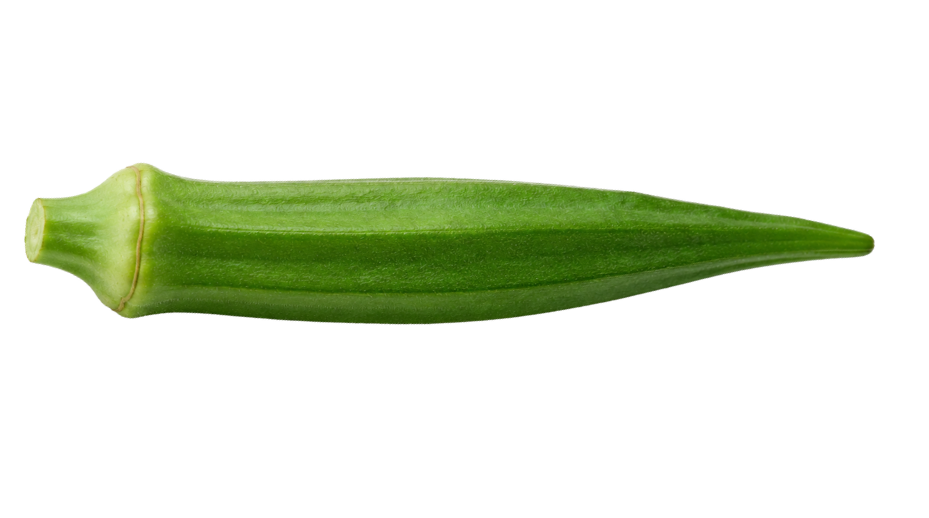
Okra consists of elongated, ridged green pods that taper to a pointed tip. The pods contain small white seeds and have a firm exterior. Texture is tender when young but becomes fibrous as it matures. When cut or cooked, okra releases a natural mucilage, giving it a slightly slimy consistency. Flavor is mild, slightly grassy, and earthy.
Nutritional Value
Okra is low in calories and provides dietary fiber, vitamin C, vitamin K, and folate. It also contains antioxidants and beneficial plant compounds. Its high fiber content supports digestive health, making it a valuable addition to balanced diets.
Seasonality and Origin
Okra is grown in warm climates, with major production in countries such as India, Nigeria, Sudan, and the United States. It is typically harvested in summer and warm seasons but is available year-round in many markets through continuous cultivation.
Common Applications
• Cooking in curries and stews
• Frying and sautéing
• Soups and thickened dishes
• Pickling and preservation
• Grilling and roasting
• Traditional and regional recipes
Storage and Handling
Proper storage is essential to maintain tenderness and freshness.
• Recommended storage temperature: 45°F to 50°F
• Relative humidity: 90–95%
• Store in perforated bags or containers
• Keep refrigerated to maintain quality
• Avoid moisture buildup to prevent decay
• Handle gently to prevent bruising and damage
Origin and Background
Okra is believed to have originated in Africa and has been cultivated for centuries. It spread to other parts of the world through trade and is now a staple in many cuisines, including Indian, Middle Eastern, and Southern American. Modern cultivation focuses on tender pod quality, uniform size, and improved yield.
Grades and Quality Standards
| U.S. Grade Standards | Days Since Shipment | % of Defects Allowed | Optimum Transit Temp. (°F) |
| 10-5-1 | 5 4 3 2 1 | 15-8-3 14-8-3 13-7-2 11-6-1 10-5-1 | 45-50° |
Extra Fancy Grade
• Bright green, tender pods
• Uniform size and straight shape
• Free from blemishes and damage
• Minimal fiber content
Fancy Grade
• Slight variations in size and appearance
• Minor surface imperfections allowed
• Suitable for retail and food service
Commercial / Processing Grade
• Visible defects permitted
• May include overmature or slightly tough pods
• Used for processing and bulk cooking