
Product Overview
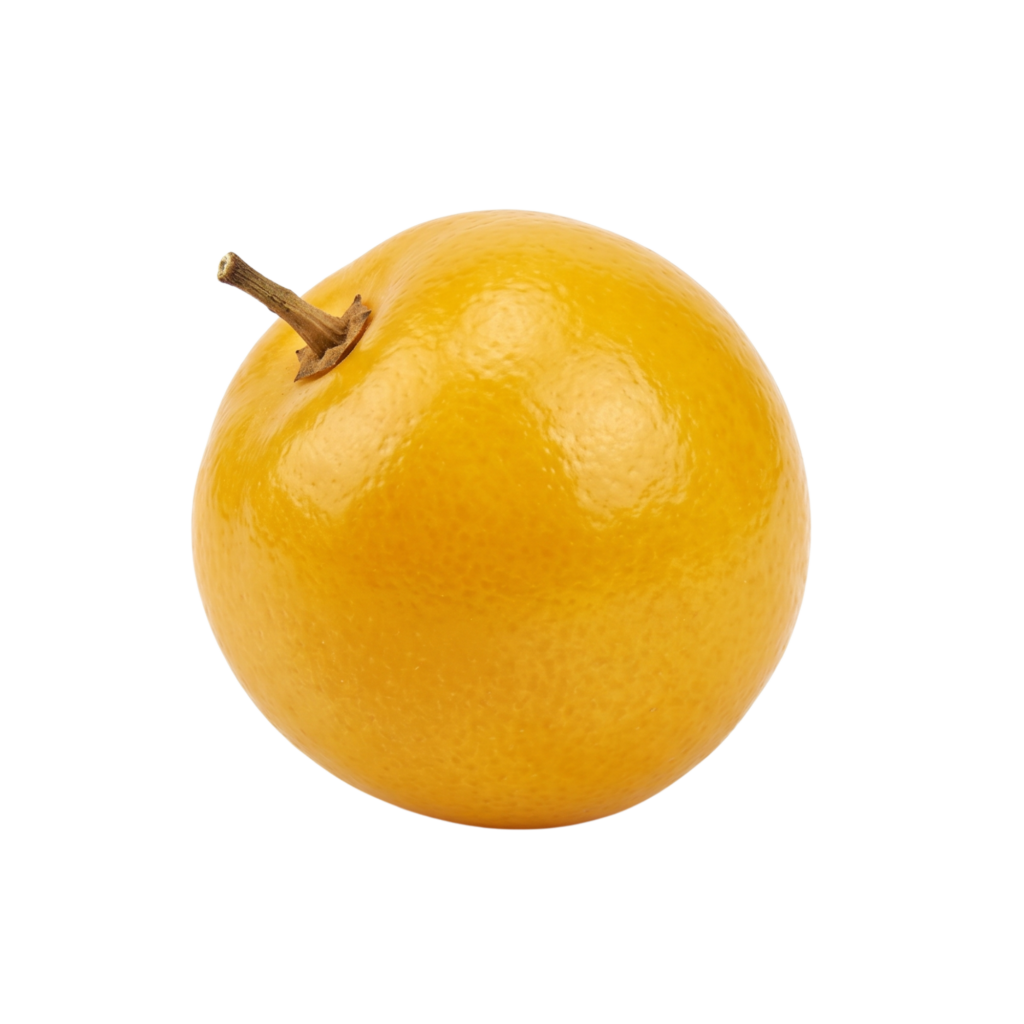
Nance is a small tropical fruit widely consumed in Central and South America, valued for its distinctive aroma, unique flavor, and use in traditional foods and beverages. It is commonly sold fresh in local markets and also used in processed products such as drinks, preserves, and desserts. Nance is an important regional commodity with strong cultural and culinary significance.
Key Characteristics
Nance fruits are small, round, and typically yellow to orange when ripe. They have a thin skin and a soft, juicy pulp surrounding a hard seed. Flavor is sweet with a slightly acidic and distinctive fermented-like note that intensifies as the fruit ripens. Texture is soft and pulpy, with a characteristic aroma that sets it apart from other tropical fruits.
Nutritional Value
Nance provides vitamin C, dietary fiber, and small amounts of other vitamins and minerals. It also contains antioxidants and natural sugars. Low in fat and nutrient-dense, it contributes to energy and hydration in traditional diets.
Seasonality and Origin
Nance is grown in tropical climates, particularly in Central America, Mexico, and parts of South America. It is typically harvested seasonally, with peak availability depending on regional growing conditions.
Common Applications
• Fresh consumption
• Beverages and fermented drinks
• Desserts and sweets
• Jams and preserves
• Traditional regional recipes
• Syrups and flavoring
Storage and Handling
Proper storage helps maintain freshness and quality.
• Recommended storage temperature: 45°F to 50°F
• Relative humidity: 85–90%
• Store in a cool, well-ventilated area
• Handle carefully due to soft texture
• Consume promptly after ripening for best quality
• Avoid excessive moisture to prevent spoilage
Origin and Background
Nance is native to tropical regions of the Americas and has been consumed for centuries in traditional diets. It remains an important fruit in local cultures, often used in beverages and regional dishes. Modern commercialization is limited but growing in niche and specialty markets.
Grades and Quality Standards
Extra Fancy Grade
• Uniform size and bright color
• Firm but ripe texture
• Free from blemishes and decay
• Good aroma and internal quality
Fancy Grade
• Slight variations in size and appearance
• Minor surface imperfections allowed
• Suitable for retail and local markets
Commercial / Processing Grade
• Visible defects permitted
• May include overripe or soft fruits
• Used for processing into beverages and preserves