Product Overview
Mushrooms are a widely traded specialty produce commodity valued for their unique flavors, textures, and culinary versatility. They are marketed fresh, dried, and processed, serving retail, food service, and industrial sectors. Mushrooms are consumed globally and are an important ingredient in a wide range of cuisines.
Key Characteristics
Mushrooms are fleshy fungi consisting of a cap and stem, although appearance varies significantly by variety. Textures range from delicate and tender to dense and meaty. Flavors range from mild and earthy to rich and umami. Mushrooms are highly perishable and require careful handling to maintain quality.
Nutritional Value
Mushrooms are low in calories and provide dietary fiber, B vitamins, potassium, and antioxidants. They contain naturally occurring compounds that contribute to their nutritional value and are commonly included in balanced diets.
Seasonality and Origin
Commercial mushrooms are cultivated year-round in controlled growing environments. Major producing countries include China, the United States, the Netherlands, Poland, and Canada. Continuous production ensures consistent availability throughout the year.
Common Applications
• Fresh consumption
• Soups and stews
• Stir-fries
• Roasting and grilling
• Sauces and gravies
• Processed food products
Storage and Handling
Proper handling is essential due to their highly perishable nature.
• Recommended storage temperature: 32°F to 36°F
• Relative humidity: 90–95%
• Shelf life: 5–10 days under optimal conditions
• Store in breathable packaging
• Keep refrigerated at all times
• Avoid excessive moisture accumulation
• Handle gently to prevent bruising
Origin and Background
Mushrooms have been consumed for centuries and are now cultivated commercially worldwide. Modern production utilizes controlled environments to ensure consistent quality, yield, and food safety. Specialty mushroom varieties continue to grow in popularity due to increasing consumer demand for unique flavors and textures.
Grades and Quality Standards
Extra Fancy Grade
• Uniform size, shape, and color
• Firm texture and fresh appearance
• Free from discoloration, bruising, and defects
Fancy Grade
• Slight variations in size and appearance
• Minor cosmetic imperfections allowed
• Suitable for retail distribution
Commercial / Processing Grade
• Visible defects permitted
• Maintains internal quality
• Used for processing and foodservice applications
Types of Mushroom
Button
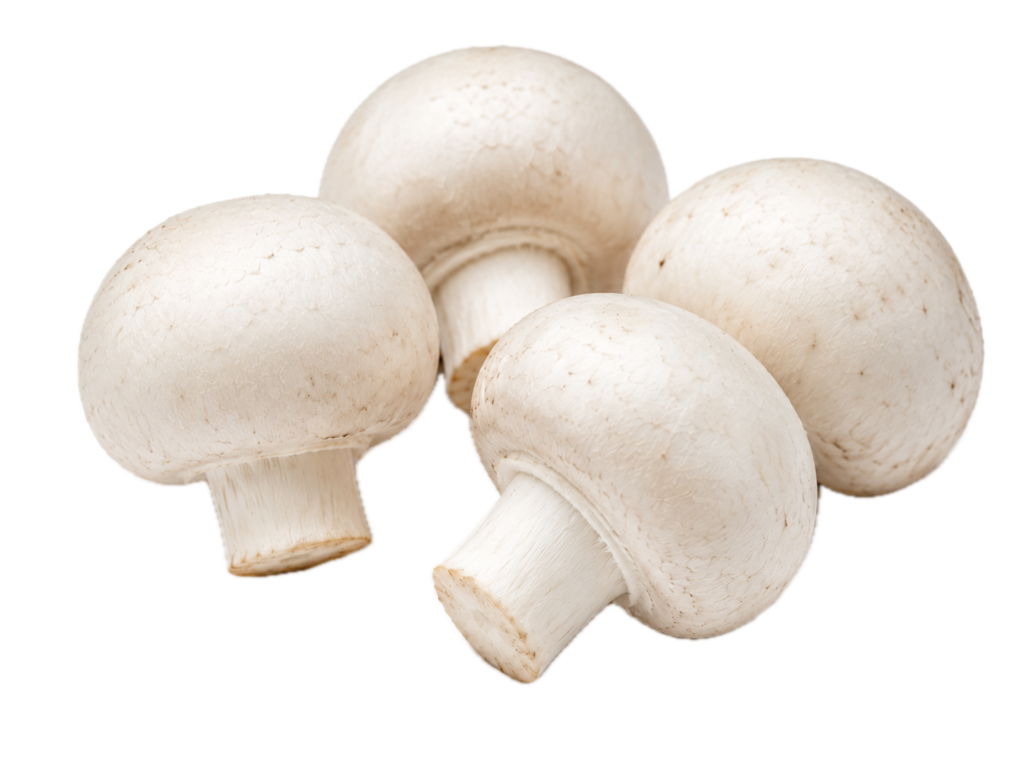
Small to medium-sized mushroom with a smooth white cap and mild flavor. Commonly used in salads, soups, pizzas, and cooked dishes.
White Button
The most widely consumed mushroom variety. Features a firm white cap, tender texture, and mild earthy flavor suitable for a wide range of culinary uses.
Crimini
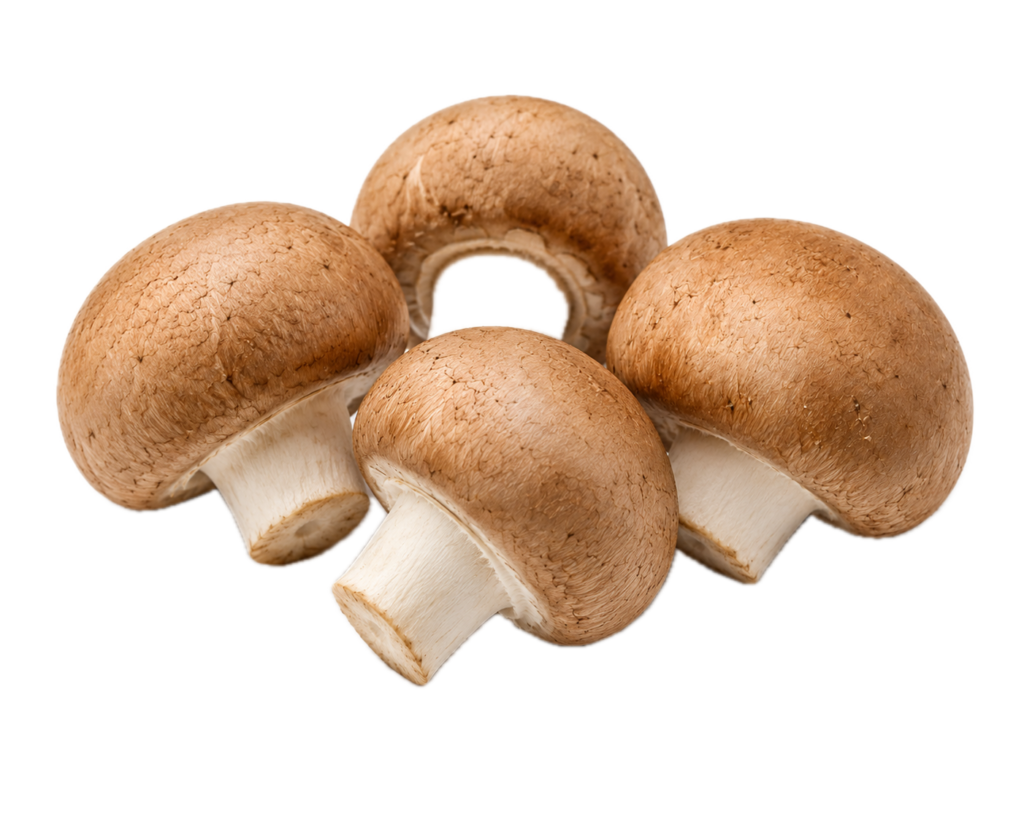
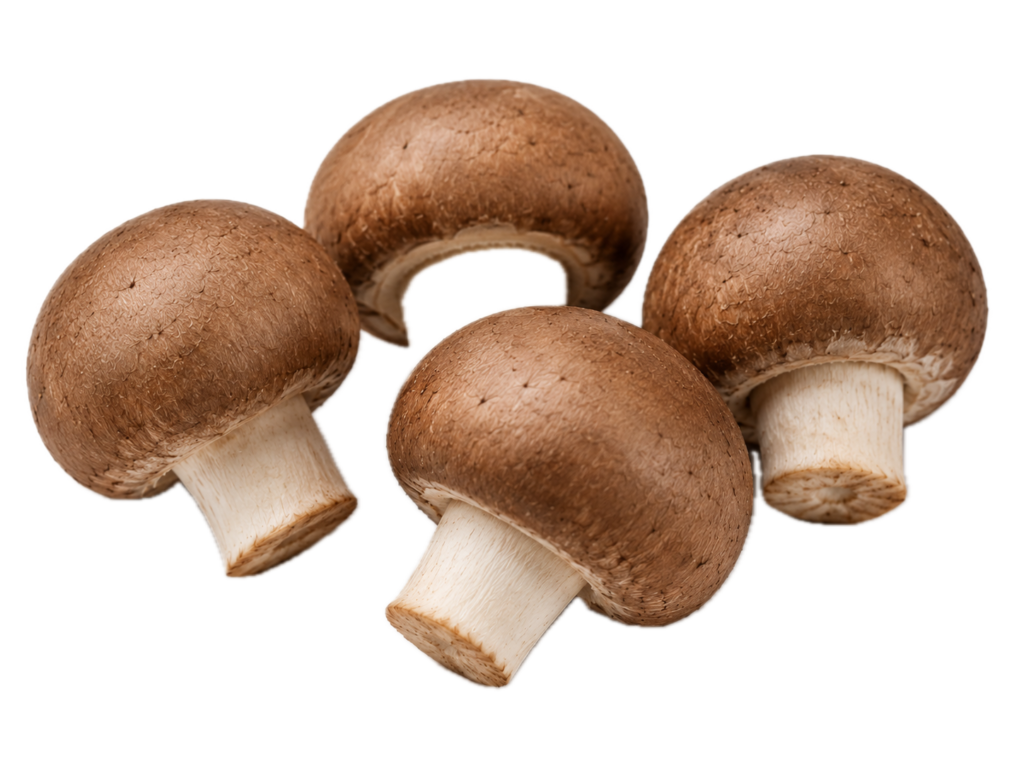
Light to dark brown mushroom with a firmer texture and deeper flavor than white button mushrooms. Commonly used in roasting, sautéing, and soups.
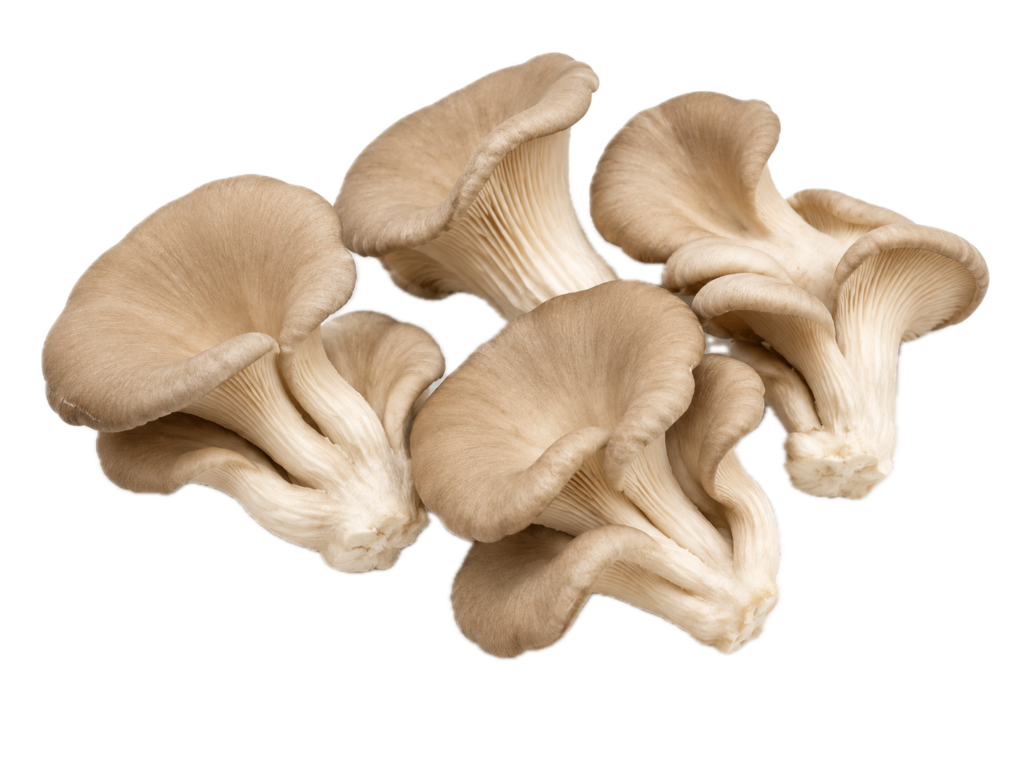
King Oyster
Large mushroom with a thick stem and small cap. Known for its dense, meaty texture and mild umami flavor, making it popular in gourmet cuisine.
Portobello
Light to dark brown mushroom with a firmer texture and deeper flavor than white button mushrooms. Commonly used in roasting, sautéing, and soups.
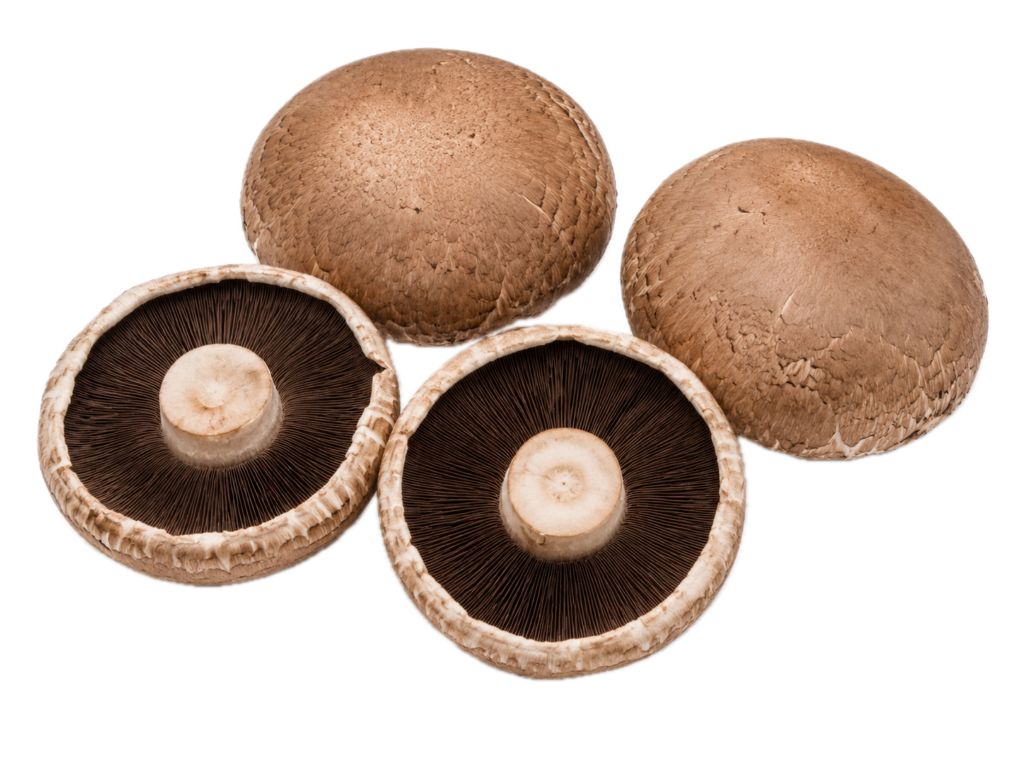
Seafood
Large, mature mushroom with a broad cap and rich, meaty flavor. Commonly grilled, roasted, stuffed, or used as a meat alternative.
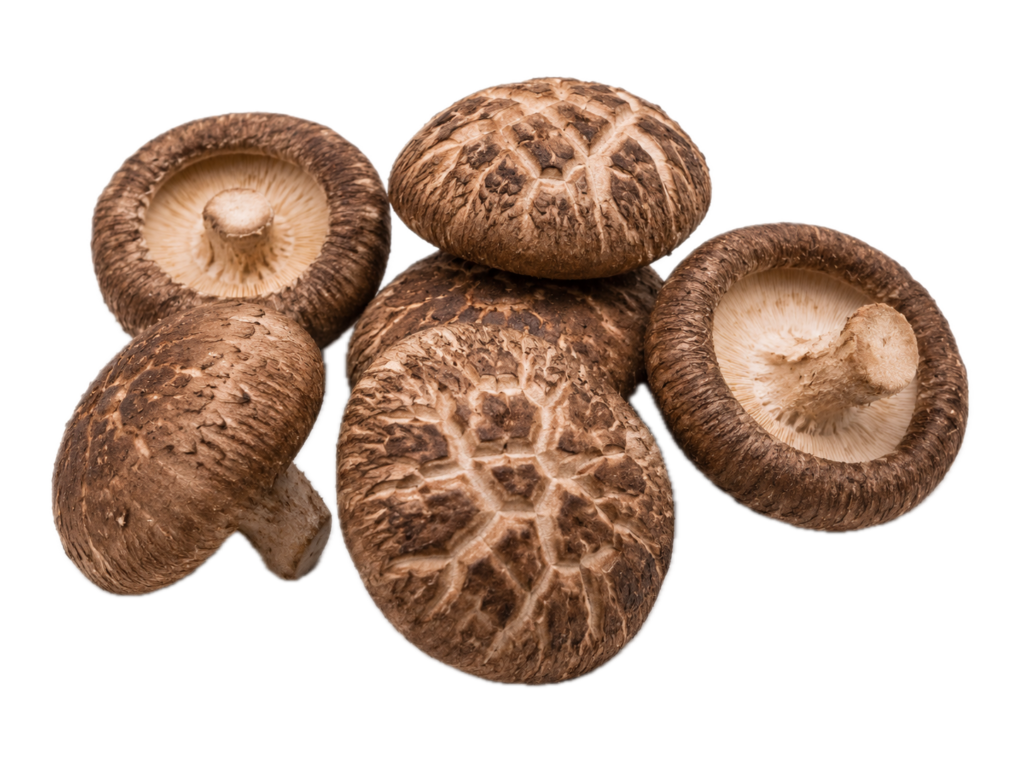
Shiitake
Brown mushroom with a broad cap and rich umami flavor. Widely used in Asian cuisine, soups, stir-fries, and sauces.
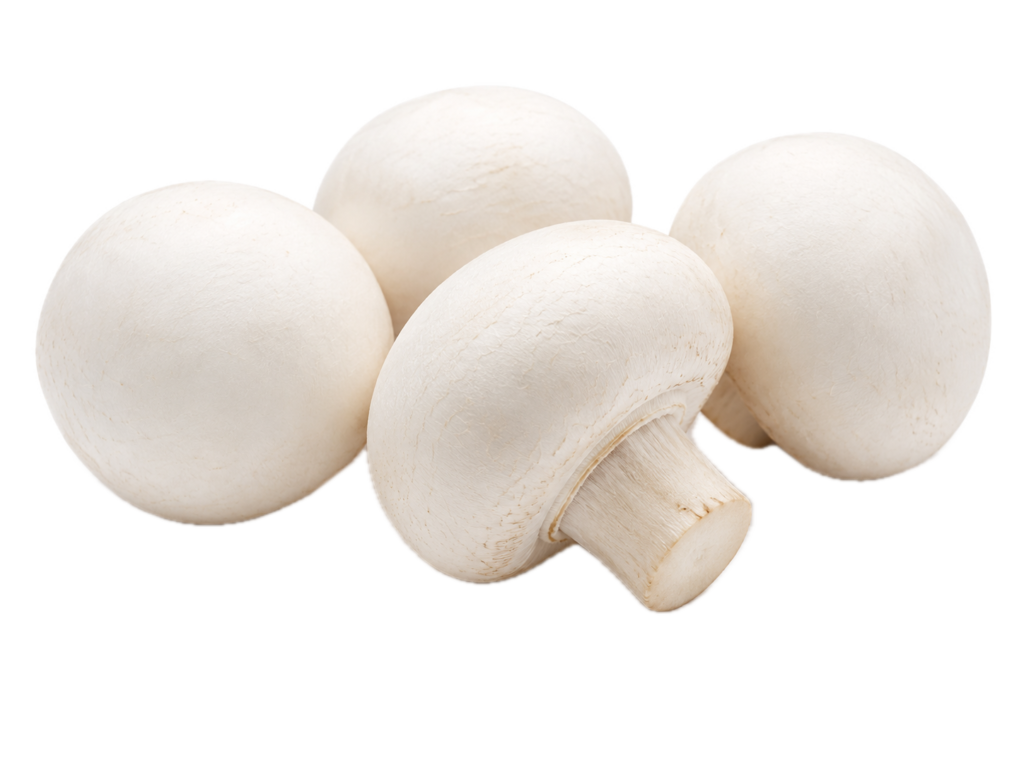
Silver Dollar
Large, round mushroom with a thick cap and mild flavor. Often used for grilling, roasting, and specialty culinary presentations.
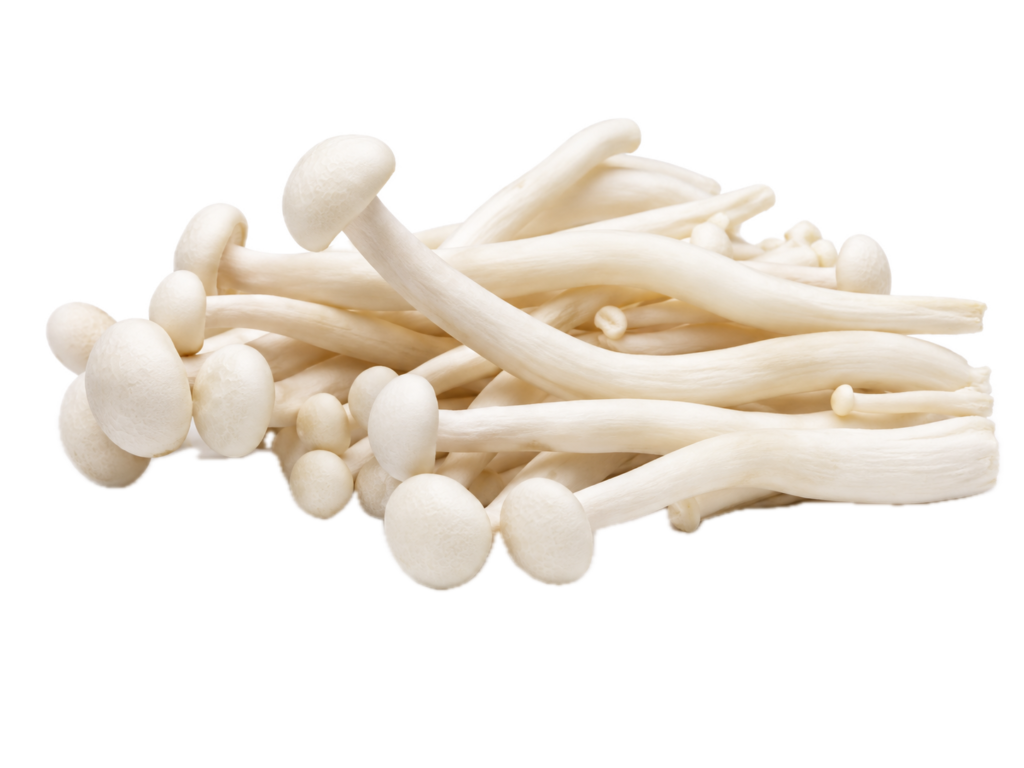
White Beech
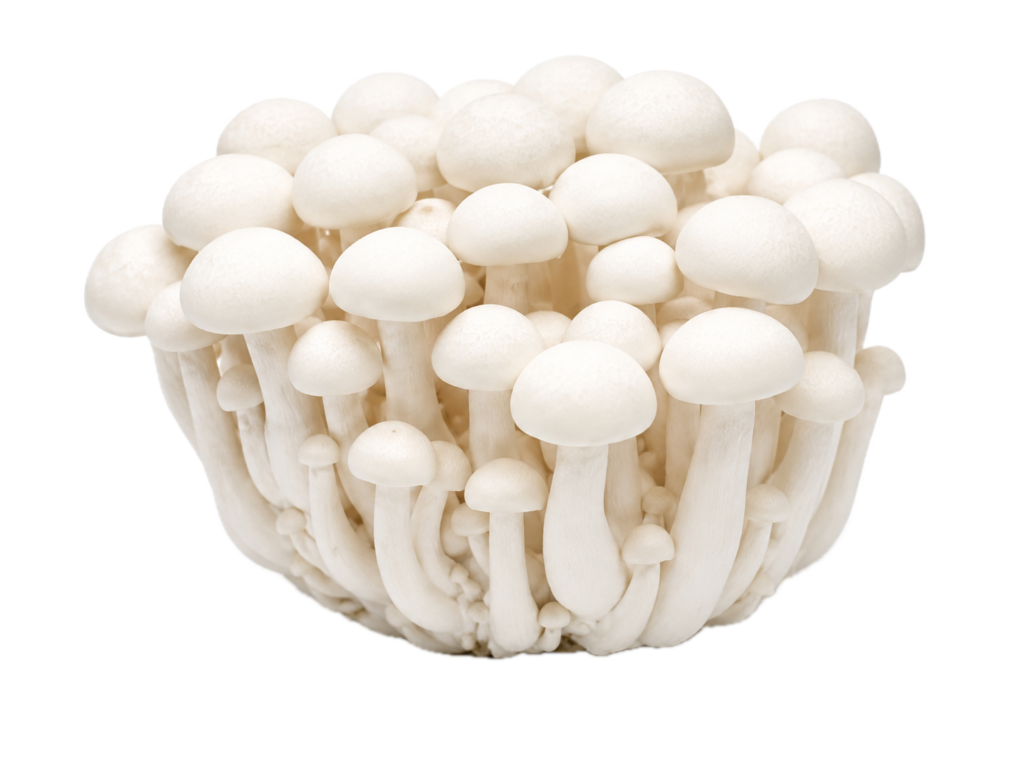
Small clustered mushroom with slender stems and small white caps. Offers a mild nutty flavor and crisp texture, commonly used in soups, stir-fries, and salads.