
Product Overview
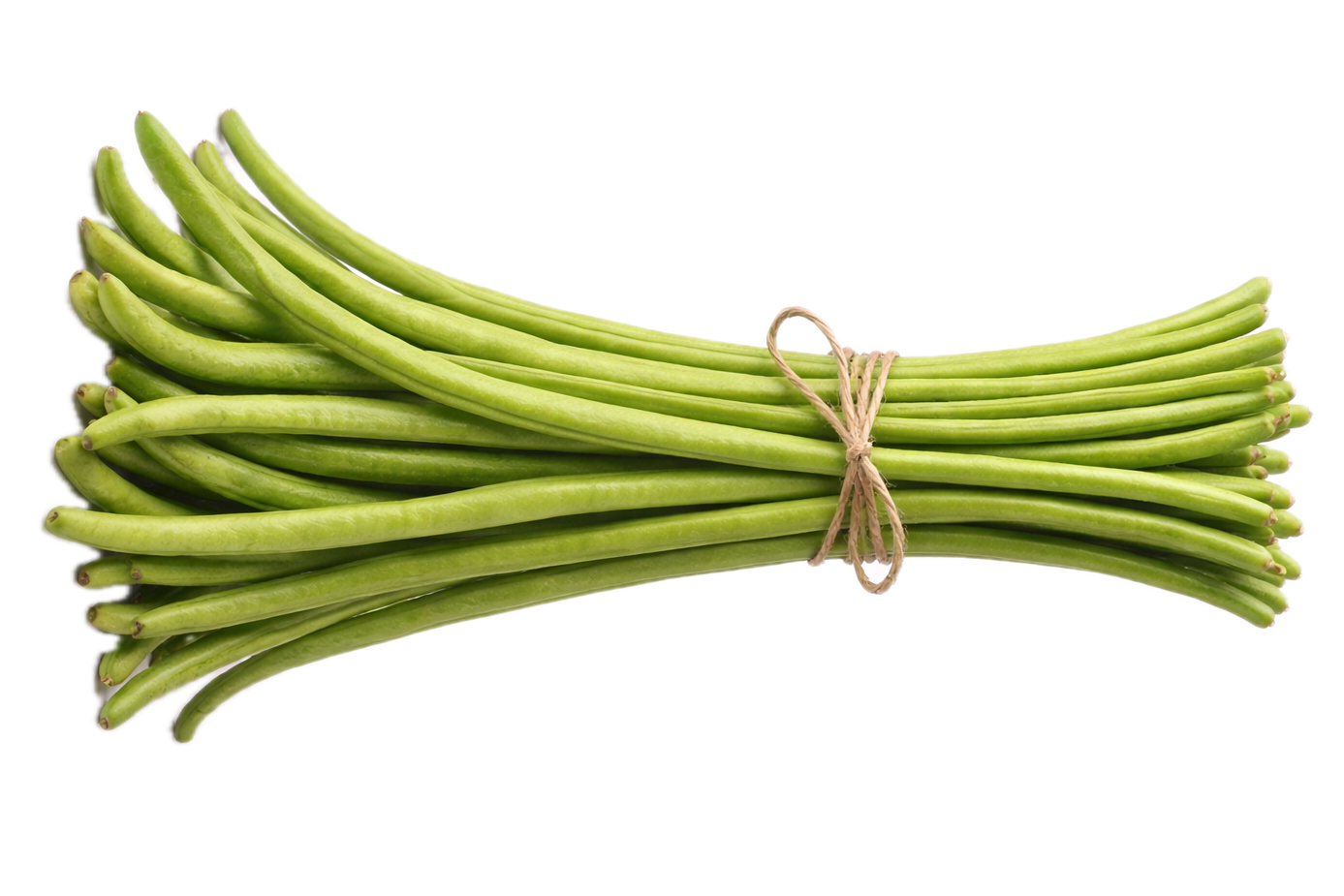
Long beans, also known as yardlong beans or asparagus beans, are widely consumed legumes in Asian and tropical cuisines. They are valued for their long, slender shape, crisp texture, and versatility in cooking. Long beans are marketed fresh and are an important commodity in ethnic and specialty produce markets, serving both retail and food service sectors.
Key Characteristics
Long beans are elongated pods that can grow up to 12–30 inches in length. They are smooth, flexible, and typically harvested when tender. The pods are crisp with a slightly chewy texture and contain small developing seeds. Flavor is mild, slightly grassy, and less sweet than common green beans. Long beans are non-climacteric and do not ripen further after harvest.
Nutritional Value
Long beans are low in calories and provide dietary fiber. They are a good source of vitamin C, vitamin A, and folate. They also contain minerals such as iron and potassium, contributing to their nutritional value in balanced diets.
Seasonality and Origin
Long beans are grown in tropical and subtropical regions and are available year-round due to continuous cultivation. Major production regions include China, India, Southeast Asia, and parts of Africa. Their adaptability allows consistent supply in local and international markets.
Common Applications
• Stir-fries
• Curries and stews
• Sautéed vegetable dishes
• Salads
• Pickling
• Traditional Asian cuisine
Storage and Handling
Proper storage helps maintain freshness and prevent wilting.
• Recommended storage temperature: 45°F to 50°F
• Relative humidity: 90–95%
• Shelf life: 5–7 days under optimal conditions
• Store in perforated packaging to retain moisture
• Avoid excessive moisture to prevent decay
• Handle gently to prevent breakage and bruising
• Keep away from ethylene-producing commodities
Origin and Background
Long beans are believed to have originated in Southeast Asia and have been cultivated for centuries. They are widely used in traditional cuisines across Asia and have spread to other tropical regions. Modern cultivation focuses on improving yield, uniform pod length, and resistance to pests and diseases.
Grades and Quality Standards
Extra Fancy Grade
• Long, straight, and uniformly colored pods
• Tender and crisp texture
• Free from blemishes, decay, and damage
Fancy Grade
• Slight variations in length and appearance
• Minor defects permitted
• Suitable for retail distribution
Commercial / Processing Grade
• Visible defects allowed
• May include shorter or slightly tough pods
• Used for cooking and bulk applications
Types of Long Bean
Long Bean – Green
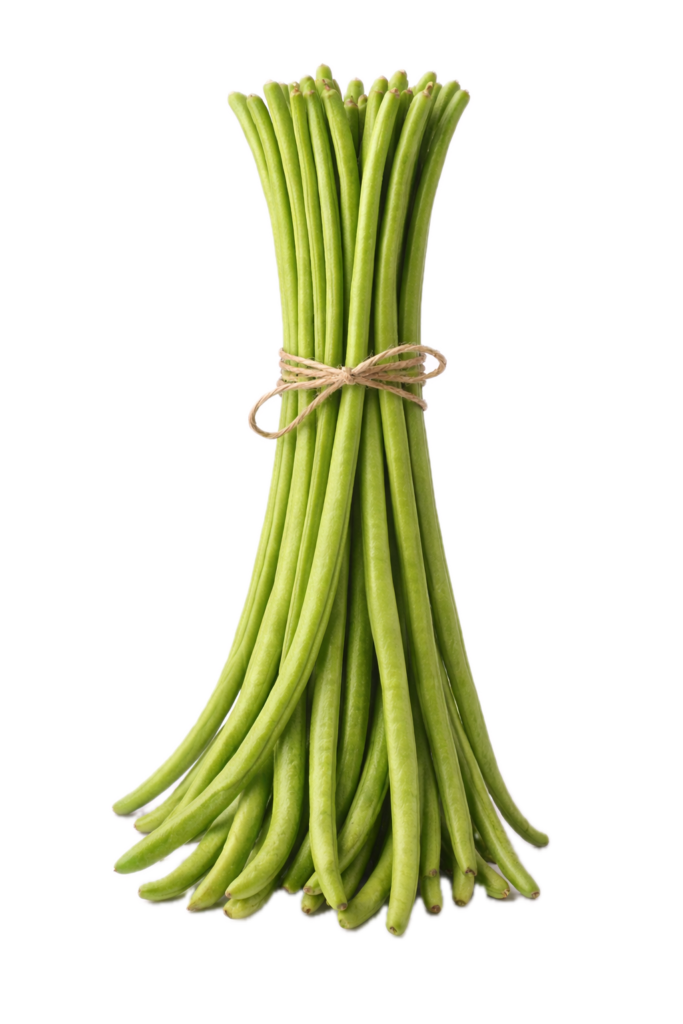
Green long beans are the most common variety, featuring bright green color and tender pods. They have a mild flavor and are widely used in stir-fries, curries, and fresh vegetable dishes.
Long Bean – White
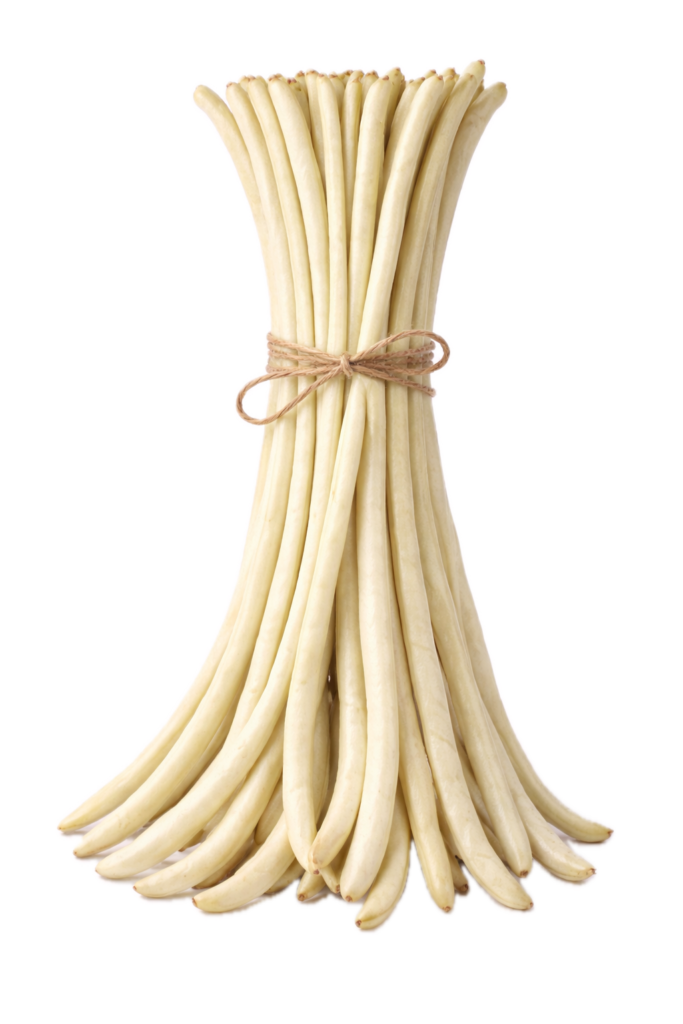
White long beans are lighter in color, ranging from pale green to whitish. They have a similar texture but a slightly milder flavor. Often used in traditional and regional dishes where a softer taste is preferred.