
Product Overview
Red leaf lettuce is a widely consumed leafy vegetable valued for its attractive color, tender texture, and mild flavor. It is an important commodity in fresh produce markets, commonly used in both retail and food service sectors. Red leaf lettuce is typically marketed as whole heads or loose leaves and is popular in salads and fresh preparations.
Key Characteristics
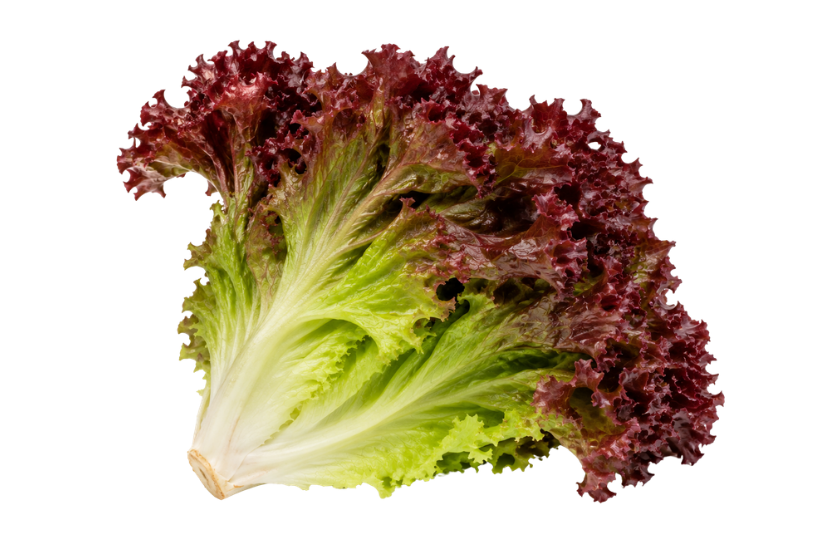
Red leaf lettuce forms loose, open heads with broad, ruffled leaves. The leaves are green at the base with reddish to deep burgundy tips. Texture is soft and tender with a slightly crisp bite. Flavor is mild, slightly sweet, and less bitter than some other leafy greens. Red leaf lettuce is non-climacteric and does not continue to develop after harvest.
Nutritional Value
Red leaf lettuce is low in calories and provides dietary fiber. It contains vitamins A, C, and K, along with antioxidants associated with its red pigmentation. It also provides small amounts of folate and potassium, contributing to overall nutrition.
Seasonality and Origin
Red leaf lettuce is grown in temperate regions and is available year-round due to continuous cultivation. Major production regions include the United States (California and Arizona), Europe, and parts of Asia. Its fast growth cycle supports consistent supply in fresh produce markets.
Common Applications
• Fresh salads
• Sandwiches and wraps
• Garnishing
• Cold dishes
• Foodservice presentations
• Healthy meal preparations
Storage and Handling
Proper handling is essential to maintain freshness and prevent wilting.
• Recommended storage temperature: 32°F to 36°F
• Relative humidity: 95–100%
• Shelf life: 5–7 days under optimal conditions
• Store in moisture-retentive packaging
• Keep refrigerated at all times
• Avoid exposure to ethylene-producing commodities
• Handle gently to prevent leaf damage
Origin and Background
Red leaf lettuce originated in the Mediterranean region and has been cultivated for centuries. It is a variation of leaf lettuce developed for its color and visual appeal. Modern production focuses on improving leaf quality, shelf life, and resistance to environmental stress.
Grades and Quality Standards
Extra Fancy Grade
• Fresh, vibrant leaves with strong red coloration
• Free from wilting, yellowing, and defects
• Clean, well-formed heads or leaves
Fancy Grade
• Slight variations in size and appearance
• Minor imperfections allowed
• Suitable for retail distribution
Commercial / Processing Grade
• Visible defects permitted
• May include older or slightly damaged leaves
• Used for processing and bulk applications