
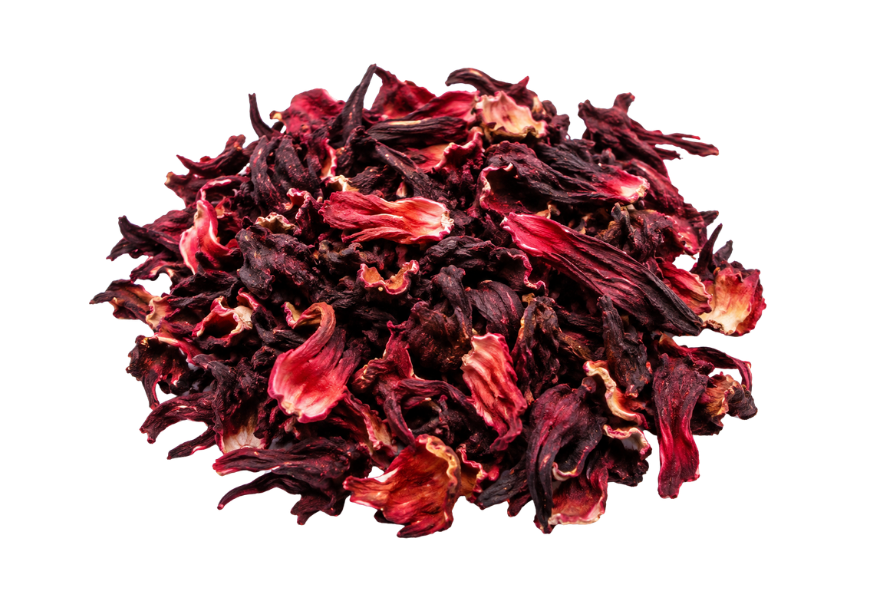
Product Overview
Hibiscus, commonly known as Jamaica in Latin American markets, is a specialty crop valued for its vibrant red calyces, tart flavor, and versatility in beverages and culinary applications. It is widely marketed in fresh and dried forms and serves retail, food service, and food processing sectors. Jamaica is particularly popular in Mexican, Caribbean, African, and Asian cuisines.
Key Characteristics
Hibiscus (Jamaica) consists of fleshy red calyces harvested after the flower petals have fallen. The calyces have a deep red color, firm texture, and a tart, cranberry-like flavor. They are commonly sold fresh, dried, or processed. Hibiscus is non-climacteric and does not continue to develop after harvest.
Nutritional Value
Hibiscus provides vitamin C, antioxidants, and beneficial plant compounds known as anthocyanins, which contribute to its deep red coloration. It also contains small amounts of calcium, iron, and dietary fiber.
Seasonality and Origin
Hibiscus is grown in tropical and subtropical regions and is typically harvested during late summer and fall. Major producing countries include Mexico, Sudan, Egypt, Nigeria, India, and Thailand. Dried products are available year-round due to their long shelf life.
Common Applications
• Herbal teas and beverages
• Agua de Jamaica
• Jams and preserves
• Sauces and syrups
• Desserts and confectionery
• Culinary flavoring applications
Storage and Handling
Proper handling is essential to maintain color, flavor, and quality.
• Recommended storage temperature: 32°F to 41°F (fresh)
• Relative humidity: 85–90%
• Shelf life:
- Fresh: 1–2 weeks
- Dried: Several months under proper storage
• Store fresh calyces refrigerated
• Keep dried products in airtight containers
• Avoid excessive moisture exposure
• Protect from direct sunlight
Origin and Background
Hibiscus is believed to have originated in tropical regions of Africa and Asia and has been cultivated for centuries. It became an important crop throughout Latin America, where it is commonly known as Jamaica. Today, it remains a significant specialty commodity due to its distinctive flavor, color, and beverage applications.
Grades and Quality Standards
Extra Fancy Grade
• Deep red coloration and uniform appearance
• Clean calyces free from damage and discoloration
• Strong flavor and freshness
Fancy Grade
• Slight variations in size and appearance
• Minor cosmetic imperfections allowed
• Suitable for retail distribution
Commercial / Processing Grade
• Visible defects permitted
• Maintains color and flavor quality
• Used for beverages, extracts, and processing applications