
Product Overview
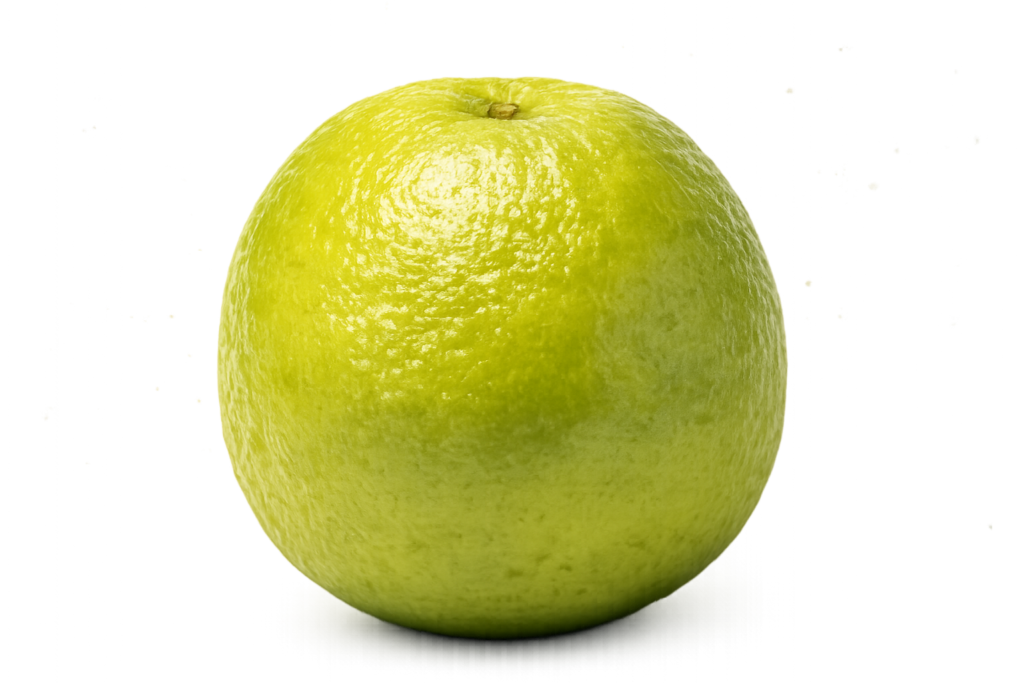
Guava is a tropical fruit widely valued for its aromatic flavor, nutritional richness, and versatility in both fresh and processed markets. It is commonly consumed raw and used in a variety of food products, making it an important commodity in retail, food service, and processing industries. Guava is known for its strong fragrance, soft edible seeds, and high consumer demand in tropical and subtropical regions.
Key Characteristics
Guava is typically round to oval in shape with a thin skin that can be green to yellow when ripe. The interior flesh may be white, pink, or red depending on the variety. Texture ranges from firm to soft as it ripens, with numerous small edible seeds embedded in the pulp. Flavor is sweet with a slightly tangy note and a distinct tropical aroma.
Nutritional Value
Guava is an excellent source of vitamin C and also provides dietary fiber, vitamin A, and antioxidants. It is low in calories and rich in beneficial plant compounds, making it a popular choice in health-focused diets.
Seasonality and Origin
Guava is grown in tropical and subtropical climates, with major production in countries such as India, Mexico, Brazil, and Thailand. It is harvested in multiple seasons depending on the region and is available year-round in many markets.
Common Applications
• Fresh consumption
• Juices and beverages
• Jams, jellies, and preserves
• Desserts and sweets
• Sauces and culinary preparations
• Processed products such as puree and concentrates
Storage and Handling
Proper storage is essential to maintain freshness and quality.
• Recommended storage temperature: 45°F to 50°F
• Relative humidity: 85–90%
• Store in a cool, well-ventilated area
• Avoid temperatures below recommended levels to prevent chilling injury
• Handle carefully to avoid bruising
• Ripen at room temperature if unripe
Origin and Background
Guava is believed to have originated in Central America and has spread widely across tropical regions. It has been cultivated for centuries and is an important fruit in many traditional cuisines. Modern cultivation focuses on improved fruit size, flavor, and resistance to pests and diseases.
Grades and Quality Standards
Extra Fancy Grade
• Uniform size and shape
• Smooth skin with good color development
• Firm texture with no blemishes
• Free from defects and decay
Fancy Grade
• Slight variations in size and appearance
• Minor surface imperfections allowed
• Suitable for retail and food service
Commercial / Processing Grade
• Visible defects permitted
• May include irregular shapes or slight damage
• Used for processing into juices, purees, and preserves