
Product Overview
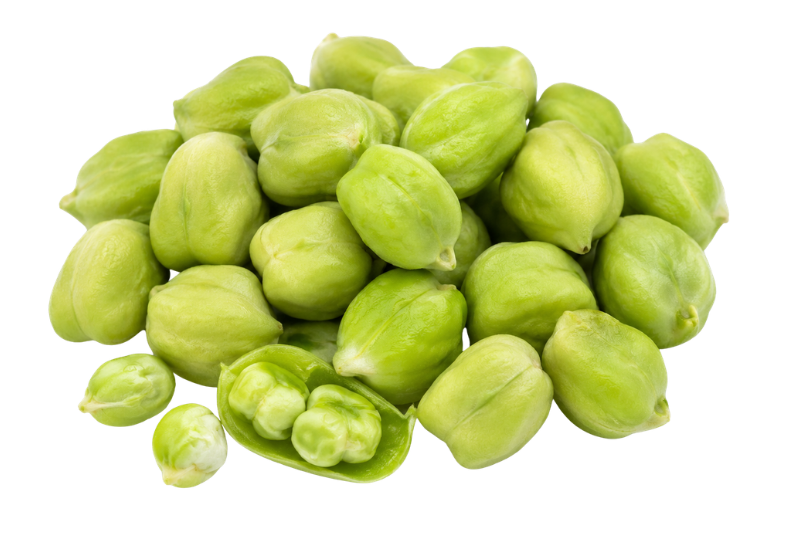
Garbanzo beans, commonly known as chickpeas, are widely consumed legumes valued for their nutritional content, versatility, and long storage life. They are a key commodity in both fresh and dry produce markets, extensively used in retail, food service, and food processing industries. Chickpeas are available in dried, canned, and occasionally fresh green forms, supporting a wide range of culinary applications.
Key Characteristics
Chickpeas are small, round to slightly angular seeds with a firm texture when dry and a soft, creamy consistency after cooking. They are typically beige in color, though variations exist. Flavor is mild, nutty, and slightly earthy. They have a dense structure that holds shape well during cooking while still becoming tender.
Nutritional Value
Chickpeas are an excellent source of plant-based protein, dietary fiber, and complex carbohydrates. They also provide essential nutrients such as iron, magnesium, potassium, and folate. Low in fat and nutrient-dense, they are widely used in vegetarian and health-focused diets.
Seasonality and Origin
Chickpeas are cultivated in semi-arid and temperate regions, with major production in countries such as India, Australia, Turkey, and Canada. They are harvested seasonally but are available year-round due to drying and storage processes.
Common Applications
• Cooking in curries, stews, and soups
• Salads and cold dishes
• Purees such as hummus
• Roasted snacks
• Flour production (besan/gram flour)
• Canned and processed products
Storage and Handling
Proper storage is essential to maintain quality and prevent spoilage.
• Recommended storage temperature: 50°F to 70°F
• Relative humidity: 60–70%
• Store in a cool, dry, and well-ventilated area
• Use airtight containers to prevent moisture absorption and pests
• Keep away from direct sunlight
• Inspect regularly for contamination or damage
Origin and Background
Chickpeas are among the earliest cultivated legumes, believed to have originated in the Middle East. They have been a staple in diets for thousands of years and are widely used across Mediterranean, Middle Eastern, and South Asian cuisines. Modern cultivation focuses on yield, disease resistance, and improved storage characteristics.
Grades and Quality Standards
Extra Fancy Grade
• Uniform size and color
• Clean and free from foreign material
• Minimal broken or damaged seeds
• High overall quality
Fancy Grade
• Slight variations in size and color
• Minor defects permitted
• Suitable for retail and general consumption
Commercial / Processing Grade
• Visible defects and broken seeds allowed
• May include mixed sizes
• Used for processing, flour production, and industrial applications