
Product Overview
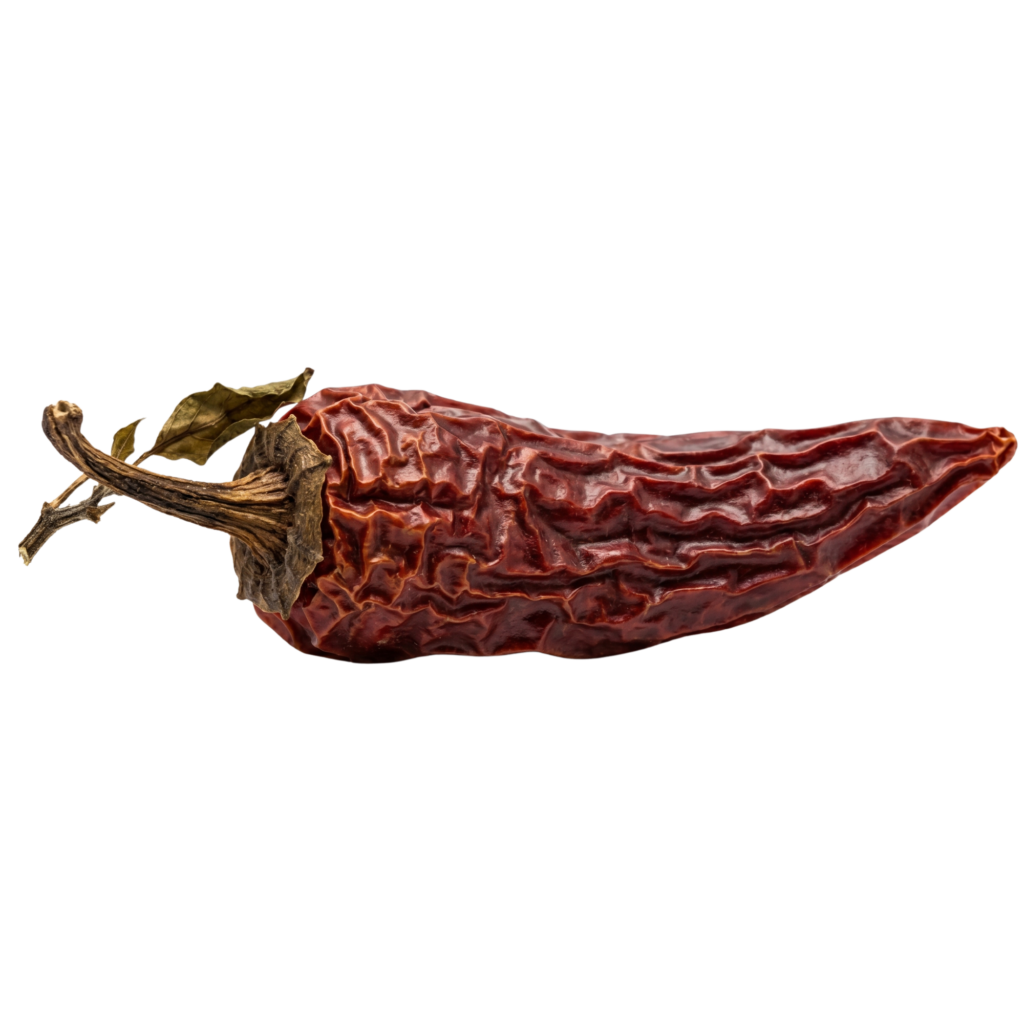
Dry peppers are dehydrated forms of mature chili peppers, widely used in culinary applications for their concentrated flavor, color, and heat. They are a key commodity in spice markets and food processing industries, offering extended shelf life and versatility. Dry peppers are essential ingredients in sauces, spice blends, and traditional cuisines worldwide, particularly in Latin American and Asian cooking.
Key Characteristics
Dry peppers vary in size, shape, color, and heat level depending on the variety. They typically have wrinkled skin and a leathery texture. Flavor profiles range from mild and smoky to intensely hot and pungent. Drying enhances both the heat and complexity of the pepper, often introducing earthy, sweet, or smoky notes. Seeds and inner membranes contribute significantly to heat intensity.
Nutritional Value
Dry peppers are a concentrated source of vitamins A and C, along with antioxidants such as capsaicin. Due to dehydration, nutrient levels are more concentrated compared to fresh peppers. They are low in calories and used in small quantities to add flavor and heat to dishes.
Seasonality and Origin
Dry peppers are produced by harvesting mature chili peppers and drying them under controlled conditions. Major producing regions include Mexico, India, China, and parts of Central and South America. Availability is year-round due to their long shelf life and stable storage characteristics.
Common Applications
• Spice blends and seasoning powders
• Sauces and salsas
• Marinades and rubs
• Soups and stews
• Infused oils
• Traditional and regional cuisines
Storage and Handling
Proper storage ensures preservation of flavor and quality.
• Recommended storage temperature: 50°F to 60°F
• Relative humidity: 60–70%
• Store in a cool, dry, and dark environment
• Use airtight containers to prevent moisture absorption
• Avoid exposure to direct sunlight
• Handle carefully to prevent breakage and contamination
Origin and Background
Dry peppers have been used for centuries as a method of preserving chili peppers while enhancing their flavor. Originating in the Americas, the practice spread globally through trade. Today, drying techniques include sun-drying, air-drying, and mechanical dehydration, with modern production focusing on consistency, hygiene, and flavor retention.
Grades and Quality Standards
Extra Fancy Grade
• Uniform size and color
• Clean, intact pods with minimal breakage
• Strong aroma and consistent quality
• Free from mold and contamination
Fancy Grade
• Minor variations in size and color
• Slight surface imperfections allowed
• Suitable for general culinary use
Commercial / Processing Grade
• Broken or irregular pods permitted
• May have minor defects
• Used for grinding, powders, and industrial applications
Types of Dry Pepper
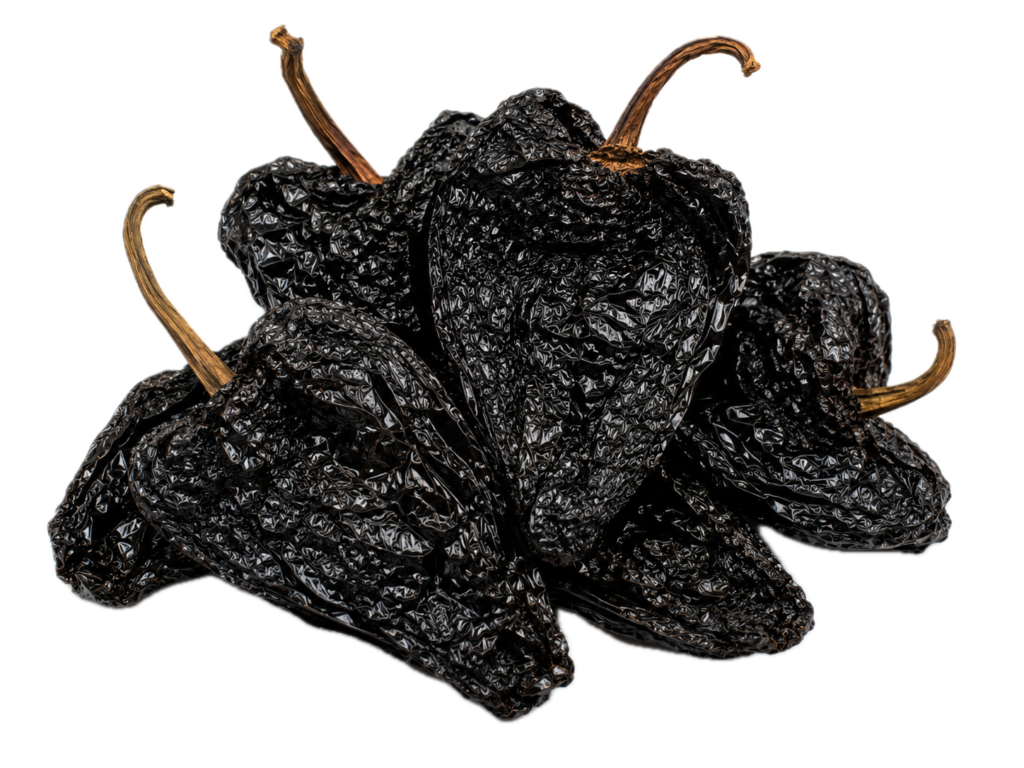
Ancho
A dried poblano pepper known for its mild heat and rich, sweet flavor with notes of chocolate and dried fruit. Commonly used in sauces such as mole.
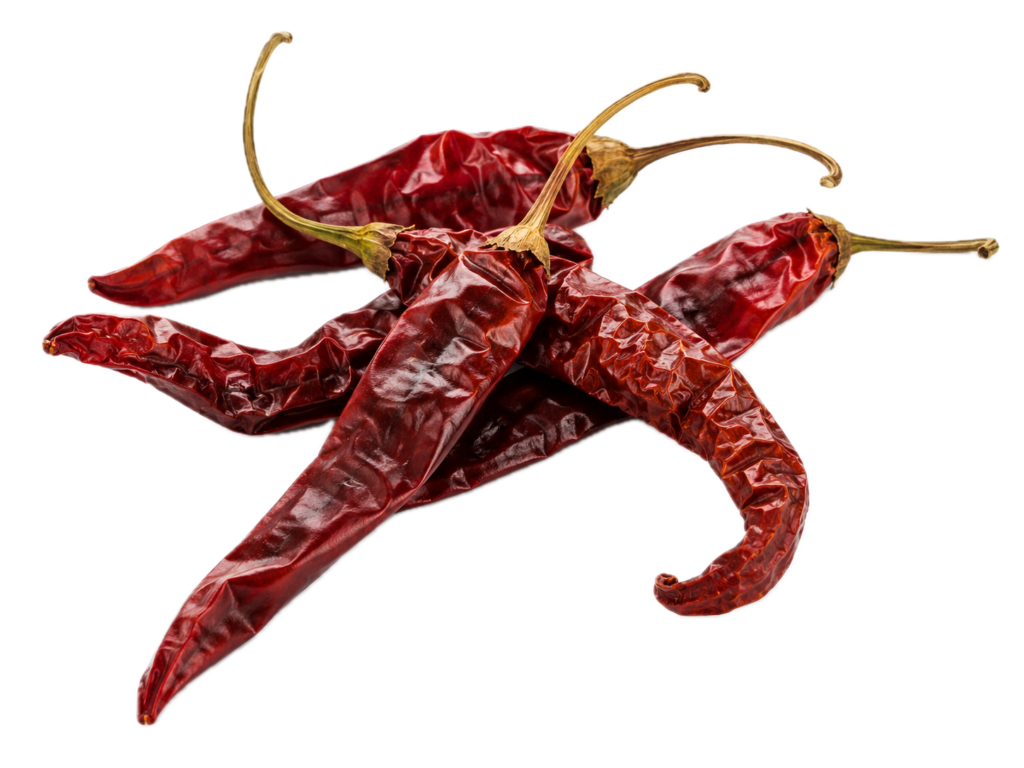
Arbol
A small, thin pepper with bright red color and high heat. It has a sharp, smoky flavor and is often used in sauces and spice blends.
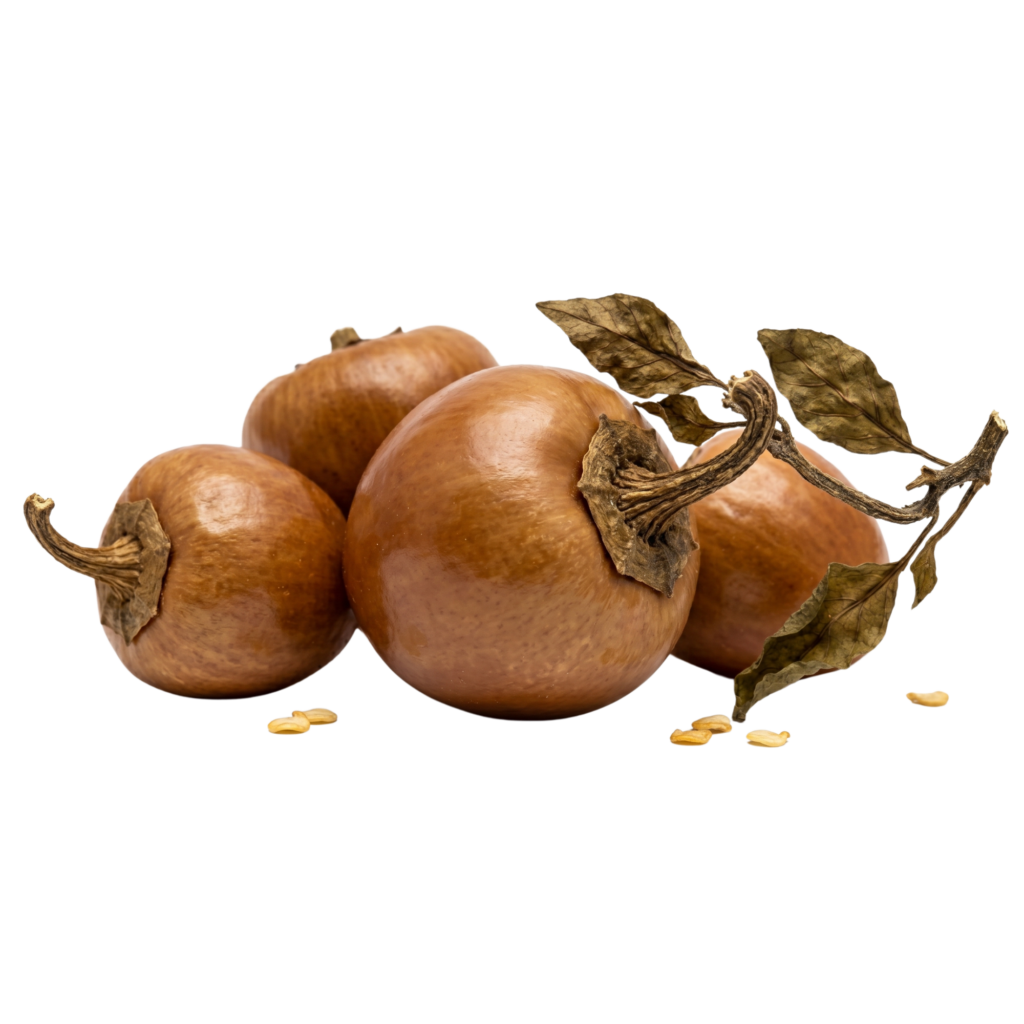
Cascabel
Round, small peppers that produce a rattling sound due to loose seeds inside. They have a mild to medium heat with a nutty, slightly smoky flavor.
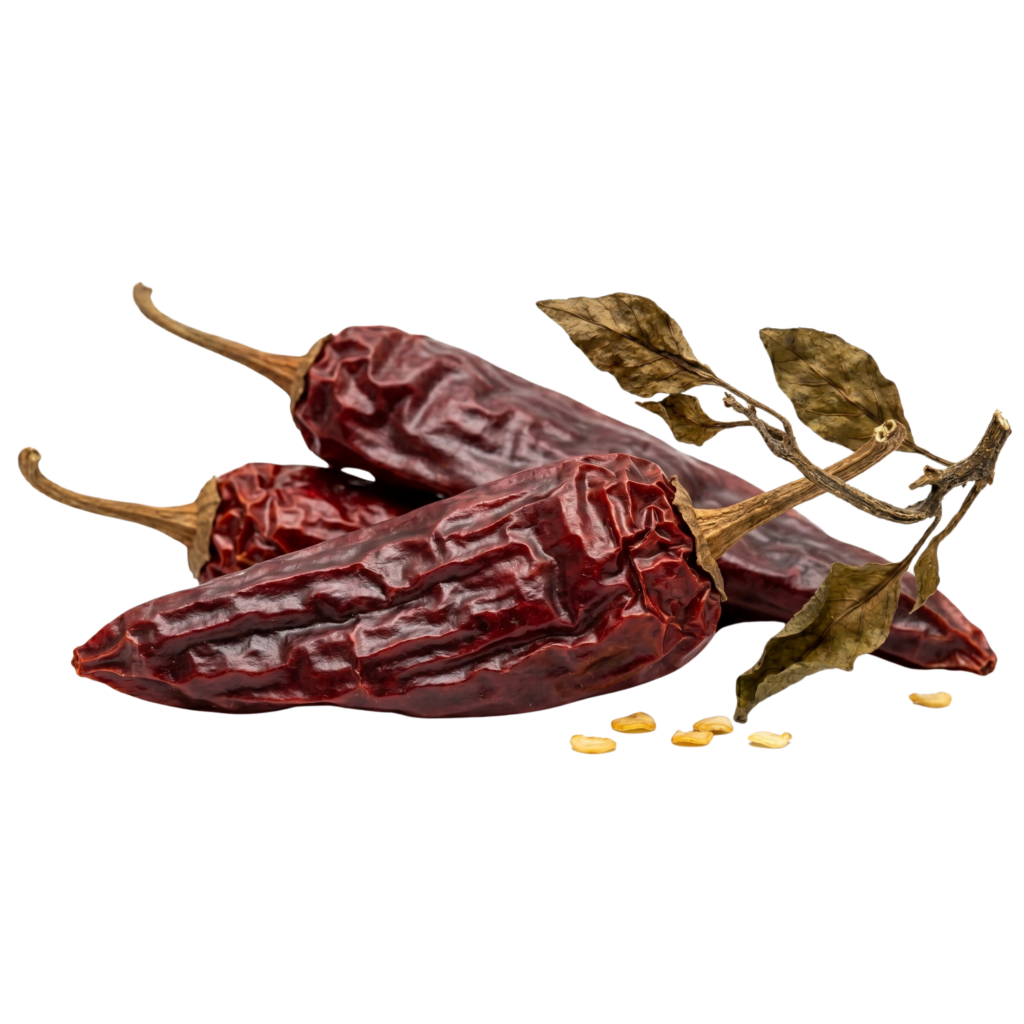
Guajillo
One of the most commonly used dried peppers, known for its smooth skin and deep red color. It offers mild to medium heat with a tangy, slightly sweet flavor.
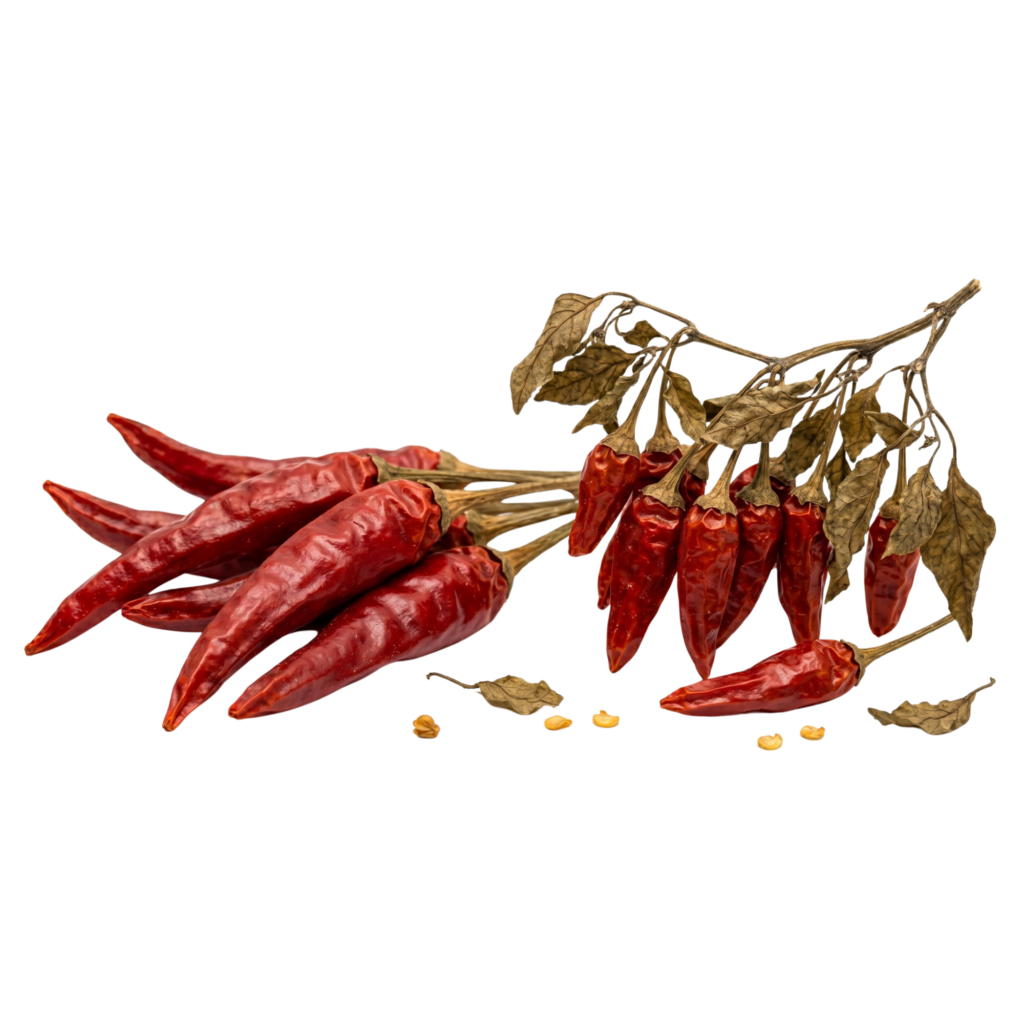
Japones
A small, thin red pepper with moderate heat. It has a clean, sharp flavor and is often used in Asian and Latin cuisines for spice blends and oils.
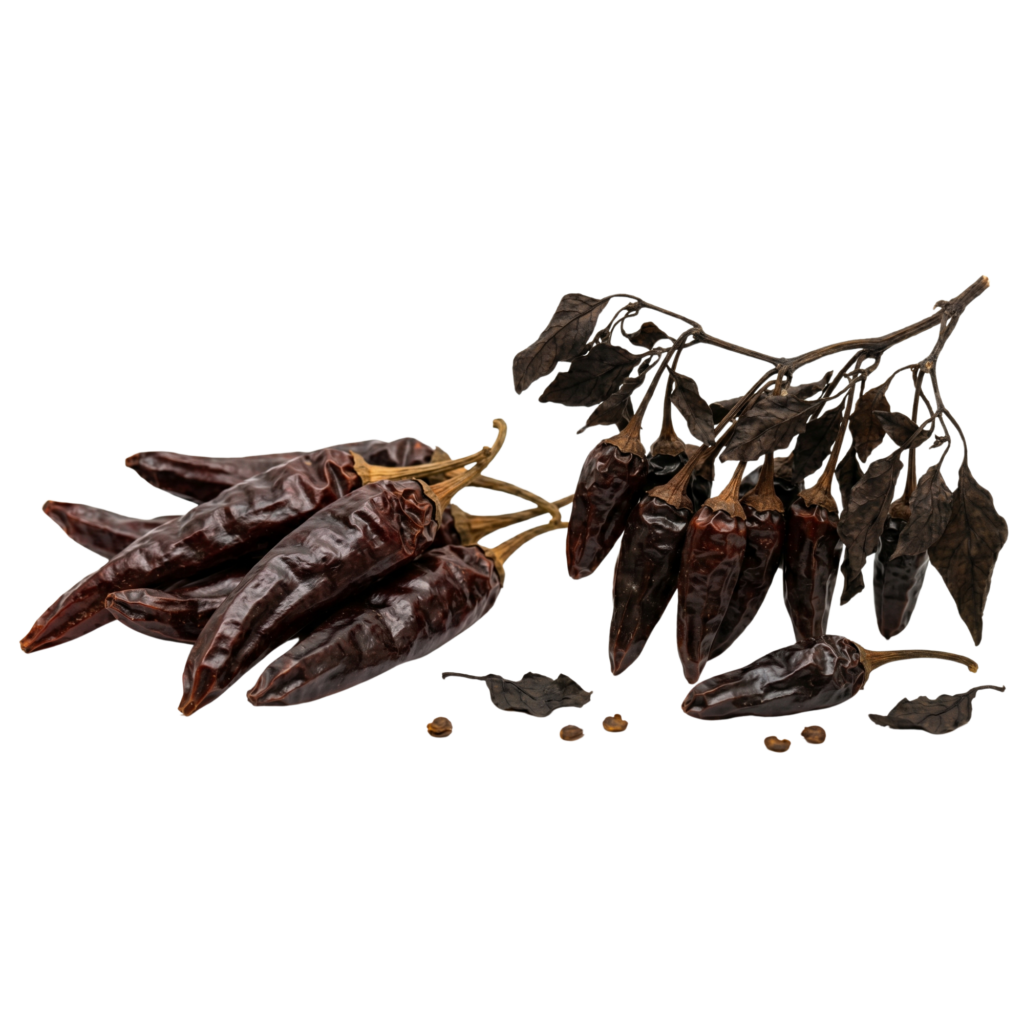
Morita
A smoked and dried version of red jalapeño peppers. It has a medium heat level with a rich, smoky flavor, commonly used in sauces and salsas.
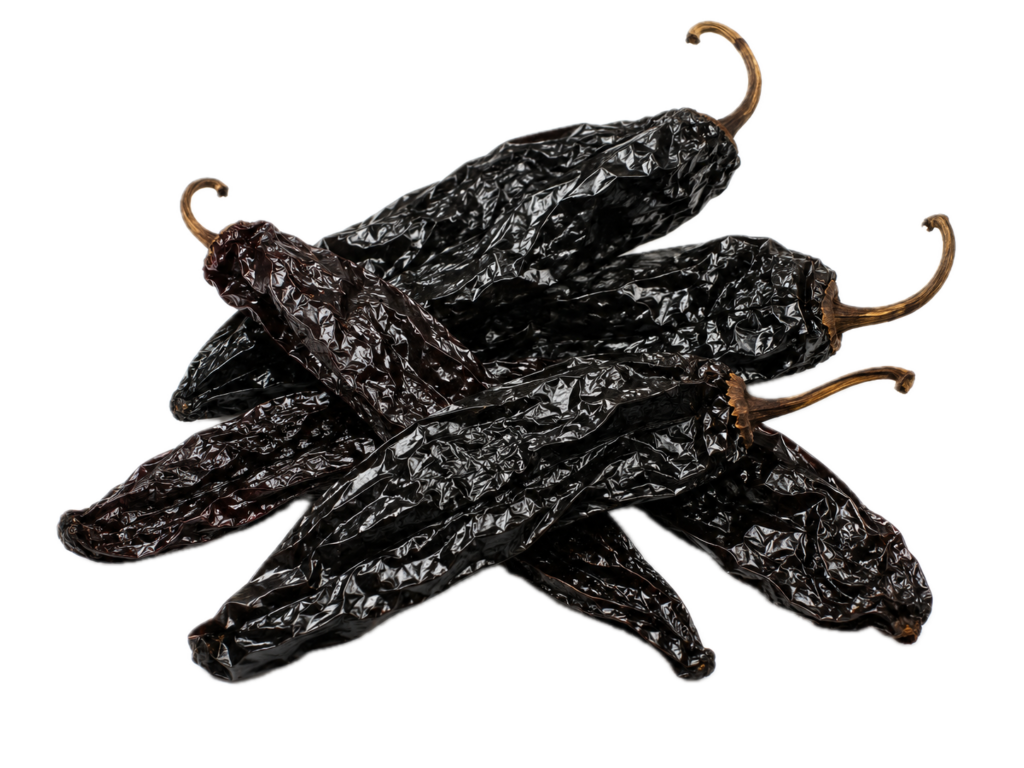
Pasilla
Long, narrow dried chili pepper with dark brown to nearly black skin. It offers mild to medium heat and a rich flavor with notes of raisin, cocoa, and dried fruit. Commonly used in mole sauces, soups, and traditional Mexican cuisine.
Puya
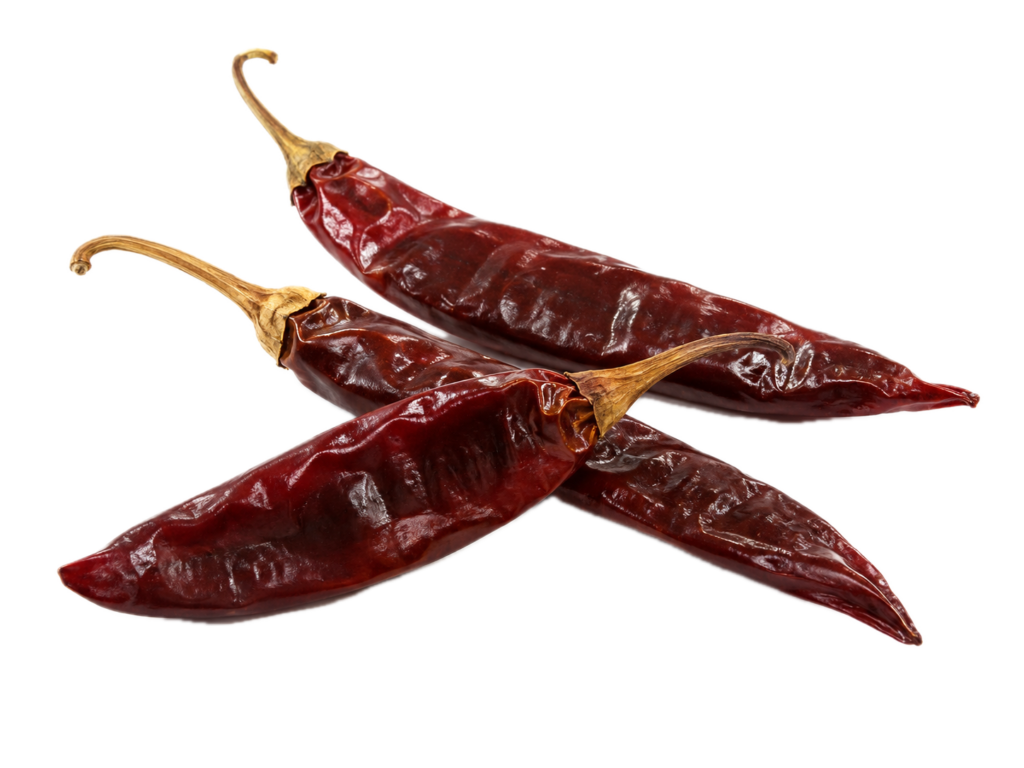
Small, slender dried red chili pepper known for its bright color and medium to high heat. It has a fruity, slightly smoky flavor and is commonly used in salsas, sauces, marinades, and Mexican culinary preparations.