
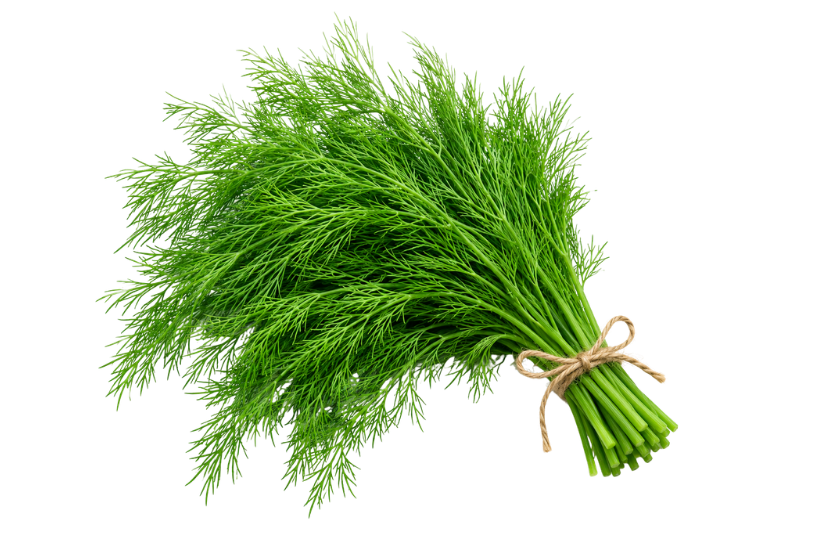
Product Overview
Dill is a highly aromatic culinary herb valued for its feathery foliage, distinctive flavor, and versatility in fresh and processed applications. It is an important commodity in retail, food service, and herb production markets. Dill is widely used in salads, seafood dishes, pickling, and seasoning blends.
Key Characteristics
Dill consists of delicate, feathery green leaves growing on slender stems. The foliage is soft and highly aromatic with a fresh, slightly sweet flavor featuring notes of anise and parsley. Both the leaves and seeds are used in culinary applications. Fresh dill is typically marketed in bunches or packaged herb formats.
Nutritional Value
Dill provides vitamin A, vitamin C, and small amounts of calcium, iron, and manganese. It contains antioxidants and beneficial plant compounds. Due to its low calorie content and nutrient density, dill is commonly included in healthy diets.
Seasonality and Origin
Dill is grown in temperate regions and is available year-round through field cultivation and greenhouse production. Major production regions include the United States, Europe, India, and the Mediterranean region. Continuous cultivation supports consistent market availability.
Common Applications
• Pickling and preserves
• Seafood dishes
• Soups and sauces
• Salads and dressings
• Herb blends and seasonings
• Garnishing
Storage and Handling
Proper handling is essential to maintain freshness and aroma.
• Recommended storage temperature: 32°F to 36°F
• Relative humidity: 95–100%
• Shelf life: 7–14 days under optimal conditions
• Store in moisture-retentive packaging
• Keep refrigerated at all times
• Avoid excessive moisture accumulation
• Handle gently to prevent bruising and leaf damage
Origin and Background
Dill is believed to have originated in the Mediterranean region and western Asia and has been cultivated for thousands of years. It became widely used throughout Europe, Asia, and North America for both culinary and traditional purposes. Modern production focuses on aroma intensity, foliage quality, and shelf life.
Grades and Quality Standards
Extra Fancy Grade
• Fresh, vibrant green foliage
• Strong aroma and flavor
• Free from yellowing, wilting, and defects
Fancy Grade
• Slight variations in size and appearance
• Minor cosmetic imperfections allowed
• Suitable for retail distribution
Commercial / Processing Grade
• Visible defects permitted
• Maintains flavor and aromatic quality
• Used for seasoning blends, pickling, and bulk processing applications