
Product Overview
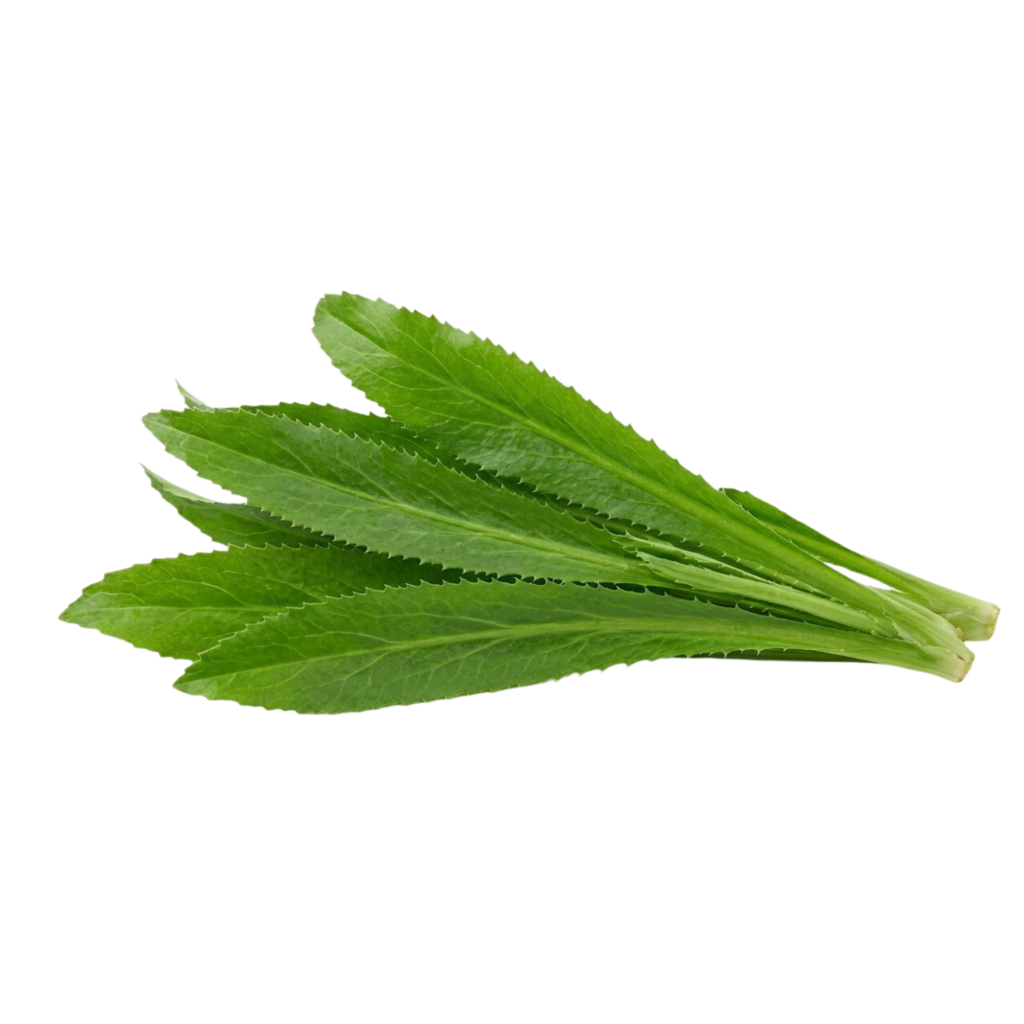
Culantro is a tropical herb widely used for its strong aroma and flavor, commonly found in Caribbean, Latin American, and Southeast Asian cuisines. It is valued for its long, serrated leaves and intense taste, often used as a substitute or complement to cilantro. Culantro is a niche but important commodity in fresh herb markets, especially in specialty and ethnic produce segments.
Key Characteristics
Culantro features long, narrow leaves with serrated edges and a deep green color. The leaves grow in a rosette pattern and are tougher and more fibrous than cilantro. Flavor is strong, pungent, and similar to cilantro but more intense. The texture is firm, making it suitable for cooking as well as fresh use.
Nutritional Value
Culantro provides vitamins A and C, along with small amounts of calcium and iron. It also contains essential oils that contribute to its aroma and potential health benefits. It is typically used in small quantities for flavor enhancement rather than as a primary nutritional source.
Seasonality and Origin
Culantro is grown in tropical climates and is cultivated in regions such as the Caribbean, Central America, Southeast Asia, and parts of India. It is available year-round due to continuous cultivation in suitable climates.
Common Applications
• Flavoring in soups and stews
• Seasoning for meats and seafood
• Marinades and sauces
• Traditional and regional dishes
• Herbal blends and condiments
• Garnishing in cooked dishes
Storage and Handling
Proper storage is essential to maintain freshness and aroma.
• Recommended storage temperature: 50°F to 55°F
• Relative humidity: 90–95%
• Store in a cool, shaded area or lightly refrigerated
• Keep stems in water if possible to maintain freshness
• Avoid temperatures that are too low to prevent chilling injury
• Handle gently to prevent leaf damage
Origin and Background
Culantro is native to tropical regions of the Americas and has been used for centuries in traditional cooking. It has spread to other parts of the world, becoming an essential herb in various cuisines. Modern cultivation focuses on leaf quality, aroma intensity, and consistent supply.
Grades and Quality Standards
Extra Fancy Grade
• Fresh, deep green leaves
• Long, intact, and uniform
• Strong aroma
• Free from yellowing or damage
Fancy Grade
• Minor variations in size and appearance
• Slight leaf imperfections allowed
• Suitable for retail and food service
Commercial / Processing Grade
• Visible defects permitted
• May include slightly wilted or damaged leaves
• Used for processing and bulk applications