

Product Overview
Cucumbers are widely consumed vegetables known for their refreshing taste, high water content, and versatility in fresh and processed applications. They are a key commodity in global produce markets, commonly used in salads, beverages, and pickled products. Their consistent demand and ease of cultivation make them an important crop in both retail and food service sectors.
Key Characteristics
Cucumbers are elongated fruits with smooth or slightly textured skin, depending on the variety. Flesh is pale green, crisp, and juicy with a mild, refreshing flavor. Skin color typically ranges from light to dark green. Texture remains firm when fresh but can soften if not properly stored. Seed content varies by type, with some varieties bred to be nearly seedless.
Nutritional Value
Cucumbers are low in calories and high in water content. They provide small amounts of vitamin C, vitamin K, and potassium. Their hydrating properties make them a popular choice in fresh diets and health-focused food plans.
Seasonality and Origin
Cucumbers are grown in a variety of climates, with major production in countries such as China, India, Turkey, and the United States. With greenhouse cultivation and global distribution, cucumbers are available year-round in most markets.
Common Applications
• Fresh consumption in salads and sandwiches
• Pickling and preservation
• Juices and infused water
• Garnishes and platters
• Cooking in certain cuisines
• Cold dishes and dips
Storage and Handling
Proper storage helps maintain freshness and prevent spoilage.
• Recommended storage temperature: 50°F to 55°F
• Relative humidity: 90–95%
• Avoid temperatures below 50°F to prevent chilling injury
• Store in ventilated containers or perforated packaging
• Keep dry to reduce risk of decay
• Handle carefully to avoid bruising
Origin and Background
Cucumbers are believed to have originated in South Asia and have been cultivated for thousands of years. They spread globally through trade and are now a staple vegetable in many cuisines. Modern cultivation focuses on yield, uniform shape, improved flavor, and resistance to pests and diseases.
Grades and Quality Standards
Extra Fancy Grade
• Uniform size and straight shape
• Bright, consistent green color
• Firm texture with smooth skin
• Free from defects and damage
Fancy Grade
• Minor variations in size and shape
• Slight surface imperfections allowed
• Suitable for retail and wholesale markets
Commercial / Processing Grade
• Visible defects permitted
• May include irregular shapes or sizes
• Used for pickling and processing
Types of Cucumbers
Garden
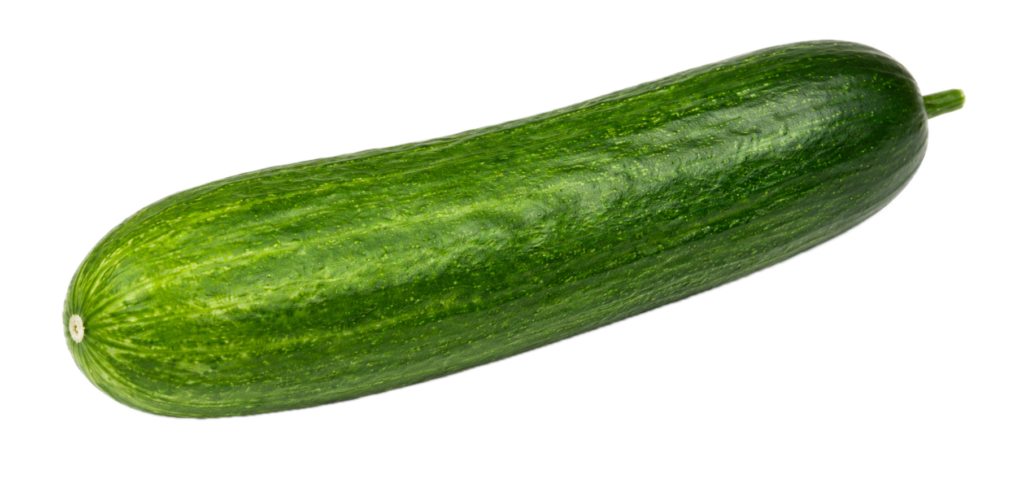
Garden cucumbers are the most common variety, typically with thicker skin and noticeable seeds. They have a mild flavor and are widely used for slicing and fresh consumption.
hothouse
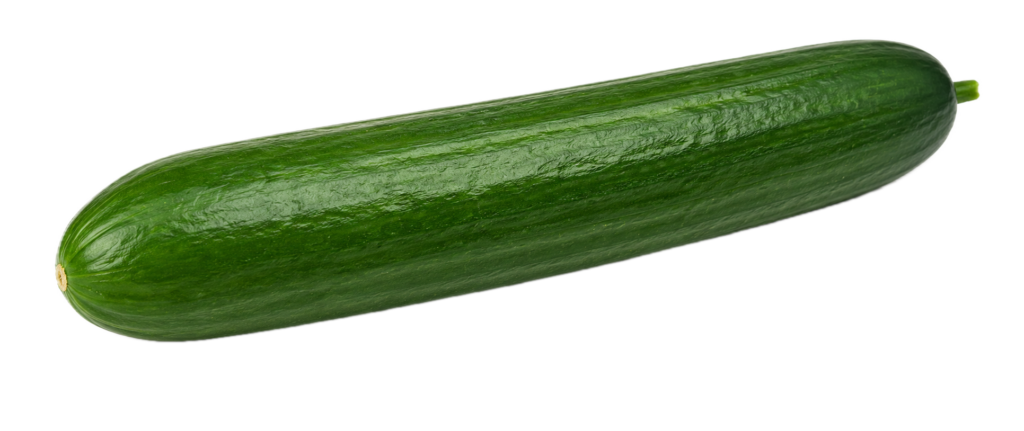
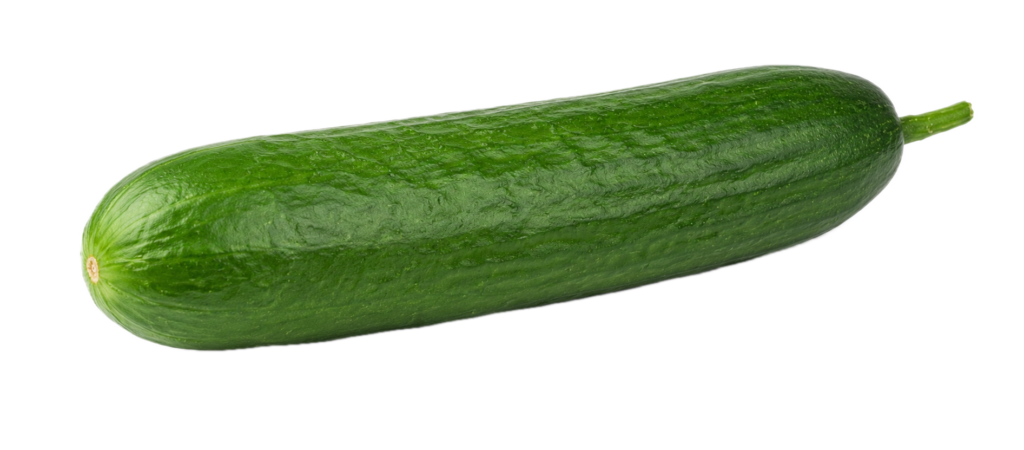
Also known as seedless or English cucumbers, hothouse cucumbers are long, slender, and have thin skin with very few seeds. They offer a mild, slightly sweet flavor and are often used in salads and fresh dishes.
Persian
Persian cucumbers are smaller, smooth-skinned, and nearly seedless. They are crisp, mildly sweet, and commonly used for snacking, salads, and fresh preparations.
Pickling
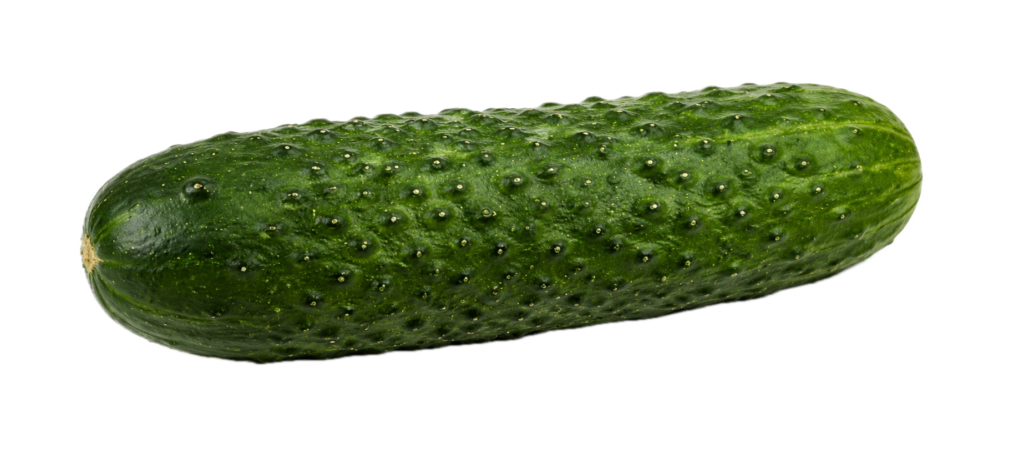
Pickling cucumbers are shorter and have thicker skin with a firm texture. They are specifically grown for pickling due to their ability to maintain crunch and absorb flavors during the preservation process.