
Product Overview
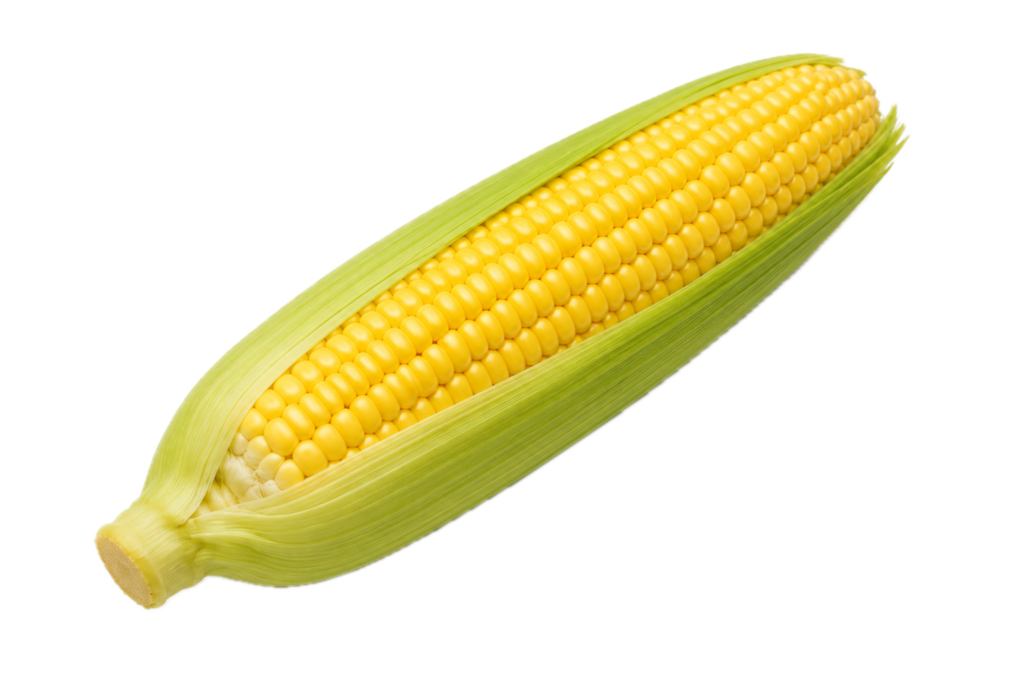
Corn, specifically sweet corn for fresh consumption, is a widely traded vegetable crop in global produce markets. It is valued for its natural sweetness, tender kernels, and versatility in culinary applications. Sweet corn is harvested at an immature stage when sugar content is at its peak, making it a staple in both retail and food service sectors.
Key Characteristics
Corn consists of elongated ears covered by husks, with rows of kernels attached to a central cob. Kernel color varies by variety, including white, yellow, and bicolor. The texture is crisp and juicy when fresh, becoming starchy over time as sugars convert to starch. Flavor is sweet and mild. Corn is non-climacteric and does not continue to ripen after harvest.
Nutritional Value
Corn provides carbohydrates as a primary energy source along with dietary fiber. It contains vitamins such as vitamin C and several B vitamins, including folate. Corn also supplies minerals like potassium and magnesium. Yellow varieties contain carotenoids such as lutein and zeaxanthin.
Seasonality and Origin
Corn is grown in temperate and warm regions worldwide. In the United States, peak production occurs during summer months, with major producing states including California, Florida, and the Midwest. Globally, leading producers include the United States, China, Brazil, and India. Due to varying climates and planting cycles, fresh corn is available in markets for extended periods.
Common Applications
• Fresh consumption (boiled, grilled, steamed)
• Salads and side dishes
• Soups and chowders
• Frozen and canned products
• Snacks and processed foods
• Culinary preparations across cuisines
Storage and Handling
Proper handling is essential to preserve sweetness and quality.
• Recommended storage temperature: 32°F
• Relative humidity: 95–98%
• Shelf life: 1–3 days for optimal sweetness
• Store with husk intact to retain moisture
• Rapid cooling after harvest to slow sugar loss
• Avoid exposure to high temperatures
• Handle carefully to prevent kernel damage
Origin and Background
Corn, or maize, originated in Central America and has been cultivated for thousands of years. It was domesticated from wild grasses and became a staple crop across the Americas before spreading globally. Modern sweet corn varieties have been developed to enhance sugar content, tenderness, and shelf life, making them suitable for commercial distribution.
Grades and Quality Standards
| U.S. Grade Standards | Days Since Shipment | % of Defects Allowed | Optimum Transit Temp. (°F) |
| 10-2 | 5 4 3 2 1 | 15-4 14-4 13-3 11-2 10-2 | 32° |
Extra Fancy Grade
• Well-filled ears with uniform kernel development
• Fresh green husks and moist silk
• Free from insect damage and defects
Fancy Grade
• Slight variations in ear size and kernel fill
• Minor defects permitted
• Suitable for retail markets
Commercial / Processing Grade
• Visible defects allowed
• May include uneven kernel development
• Used for processing and bulk applications
Types of Corn
White
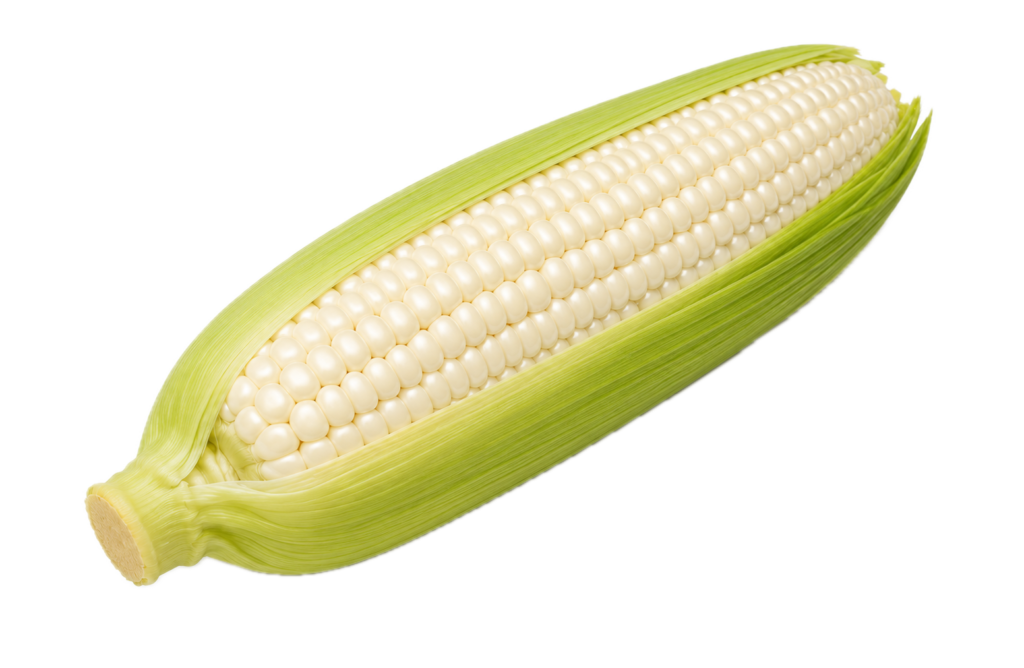
White corn features pale, creamy-white kernels with a mild, slightly less sweet flavor compared to yellow varieties. It is commonly used for fresh consumption and traditional dishes.
Bi color
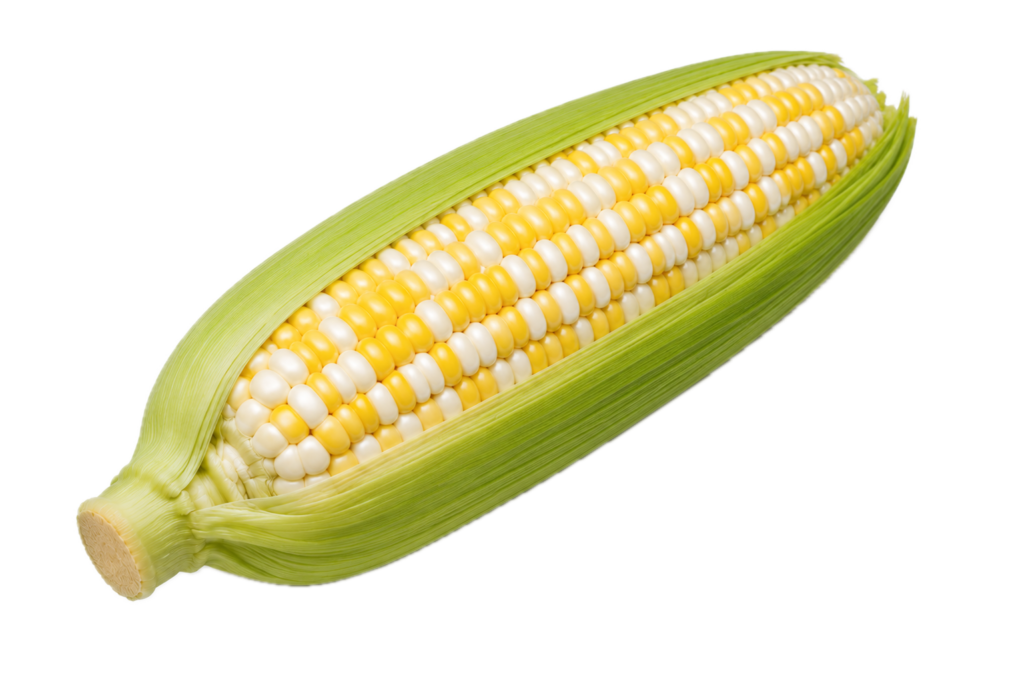
Bicolor corn contains a mix of white and yellow kernels on the same ear. It offers a balanced sweetness and is popular in retail markets for its visual appeal and flavor.
Yellow
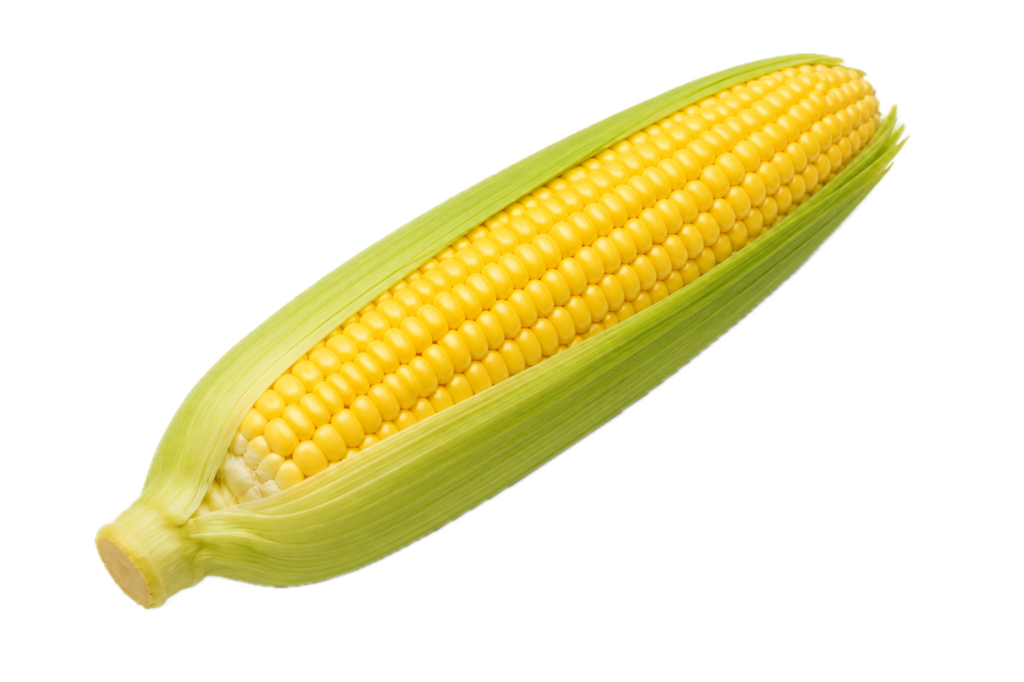
Yellow corn has bright yellow kernels and a naturally sweeter flavor. It is widely used for fresh consumption as well as in processed products due to its higher sugar content.
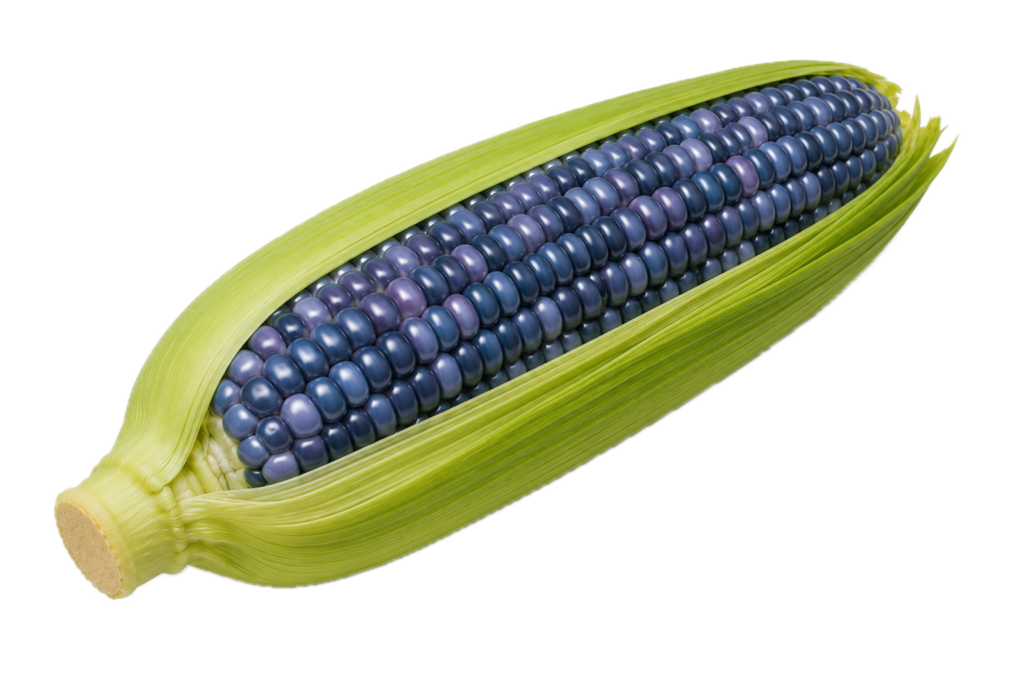
Blue
Blue corn is a specialty corn variety with deep blue to purple kernels. It has a slightly sweeter, nuttier flavor than traditional yellow corn and is rich in natural anthocyanin pigments. Commonly used for tortillas, tortilla chips, cornmeal, flour, and traditional Southwestern and Mexican culinary applications.