
Product Overview
Chilacayote is a traditional squash variety widely used in Latin American cuisine, particularly in Mexican markets. Known for its firm flesh and versatility, it is used in both sweet and savory preparations. Chilacayote is valued for its long shelf life, durability, and adaptability in fresh and processed food applications.
Key Characteristics
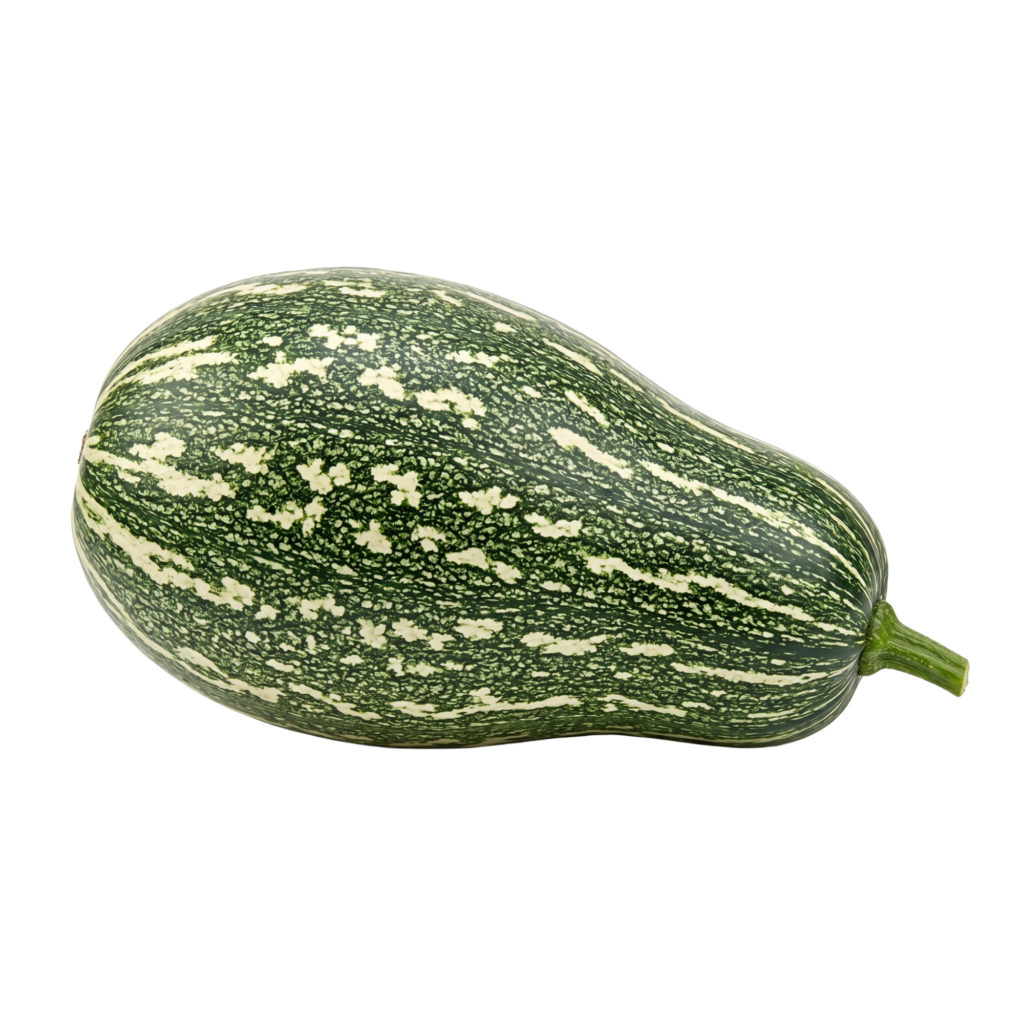
Chilacayote is a large, round to oval squash with a hard outer rind that can be green with lighter markings. The interior flesh is white and fibrous, containing numerous flat seeds. Texture is firm when raw and becomes soft and stringy when cooked. Flavor is mild and slightly sweet, allowing it to absorb flavors from other ingredients.
Nutritional Value
Chilacayote provides dietary fiber, vitamin C, and small amounts of essential minerals. It is low in calories and has a high water content. The seeds are also edible and contain additional nutrients such as healthy fats and protein.
Seasonality and Origin
Chilacayote is grown in warm climates, primarily in Mexico and Central America. It is typically harvested seasonally but can be stored for extended periods due to its hard rind, allowing availability beyond the harvest season.
Common Applications
• Traditional desserts and sweets
• Cooking in stews and savory dishes
• Candied preparations
• Soups and broths
• Use of seeds in snacks or culinary applications
• Regional and cultural recipes
Storage and Handling
Proper storage helps extend shelf life and maintain quality.
• Recommended storage temperature: 50°F to 55°F
• Relative humidity: 50–70%
• Store in a cool, dry, well-ventilated area
• Avoid moisture to prevent spoilage
• Keep away from direct sunlight
• Handle carefully to prevent rind damage
Origin and Background
Chilacayote is native to Mesoamerica and has been cultivated for centuries. It holds cultural significance in traditional cuisines, especially in Mexico. Over time, it has remained a specialty produce item with steady demand in regional and ethnic markets.
Grades and Quality Standards
Extra Fancy Grade
• Uniform size and shape
• Hard, intact rind
• Free from cracks, bruises, or decay
• Good internal quality
Fancy Grade
• Slight variations in size and appearance
• Minor surface imperfections allowed
• Suitable for retail and food service
Commercial / Processing Grade
• Visible defects permitted
• May include irregular shapes or surface damage
• Used for processing and bulk cooking