
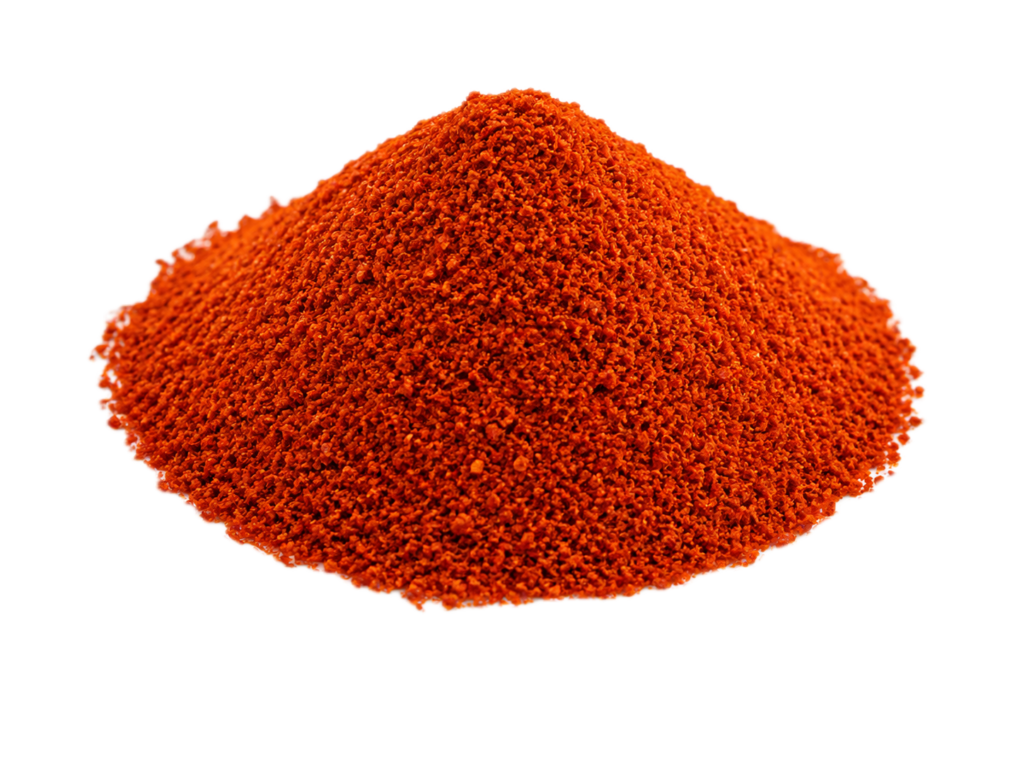
Product Overview
Cayenne pepper is a widely cultivated chili pepper valued for its intense heat, vibrant red color, and versatility in culinary and food manufacturing applications. Belonging to the Capsicum annuum species, cayenne peppers are commonly sold fresh, dried, or ground into powder. They are widely used in retail, food service, spice production, and industrial processing due to their distinctive pungency and strong consumer demand.
Key Characteristics
Cayenne peppers are long, slender fruits typically measuring 4 to 8 inches in length. Mature peppers develop a bright red color, although they may be harvested green for specific applications. The flesh is thin-walled with a high concentration of capsaicin, which produces the pepper’s characteristic heat. Cayenne peppers offer a sharp, spicy flavor with moderate fruitiness and are generally considered medium-to-hot on the Scoville Heat Scale.
Nutritional Value
Cayenne peppers are low in calories and rich in vitamin C, vitamin A, and antioxidants. They also provide small amounts of vitamin B6, vitamin K, potassium, and manganese. Capsaicin, the primary bioactive compound, is recognized for its antioxidant and potential health-supporting properties.
Seasonality and Origin
Peak Season: July to October (Northern Hemisphere)
Cayenne peppers are cultivated in warm climates worldwide. Major production regions include India, China, Mexico, the United States, Thailand, and parts of Africa. Fresh peppers are typically harvested during the summer and fall months, while dried and powdered forms are available year-round.
Common Applications
• Fresh culinary use
• Ground cayenne powder production
• Hot sauces and condiments
• Spice blends and seasonings
• Marinades and rubs
• Processed food manufacturing
• Traditional herbal preparations
Storage and Handling
Proper storage is essential to maintain color, flavor, and pungency.
• Recommended storage temperature: 45°F to 50°F
• Relative humidity: 90–95%
• Shelf life: 1–2 weeks for fresh peppers under optimal conditions
• Store fresh peppers in a cool, well-ventilated environment
• Avoid excessive moisture to minimize decay
• Handle carefully to prevent bruising and skin damage
• Dried cayenne should be stored in airtight containers away from heat and light
Origin and Background
Cayenne peppers originated in Central and South America, where chili peppers have been cultivated for thousands of years. Following global exploration and trade, cayenne peppers spread throughout Europe, Asia, and Africa, becoming a staple ingredient in many cuisines. Today, cayenne peppers are cultivated worldwide and are highly valued for their heat, flavor, processing versatility, and commercial importance.
Grades and Quality Standards
Extra Fancy Grade
• Uniform size, shape, and bright red coloration
• Firm texture and excellent appearance
• Free from decay, bruising, and mechanical damage
• High pungency and flavor quality
Fancy Grade
• Slight variations in size, shape, or color
• Minor cosmetic imperfections permitted
• Suitable for retail and food service distribution
Commercial / Processing Grade
• Visible external defects permitted
• Maintains acceptable internal quality
• Used for powder production, sauces, spice blends, extracts, and food processing applications