
Product Overview
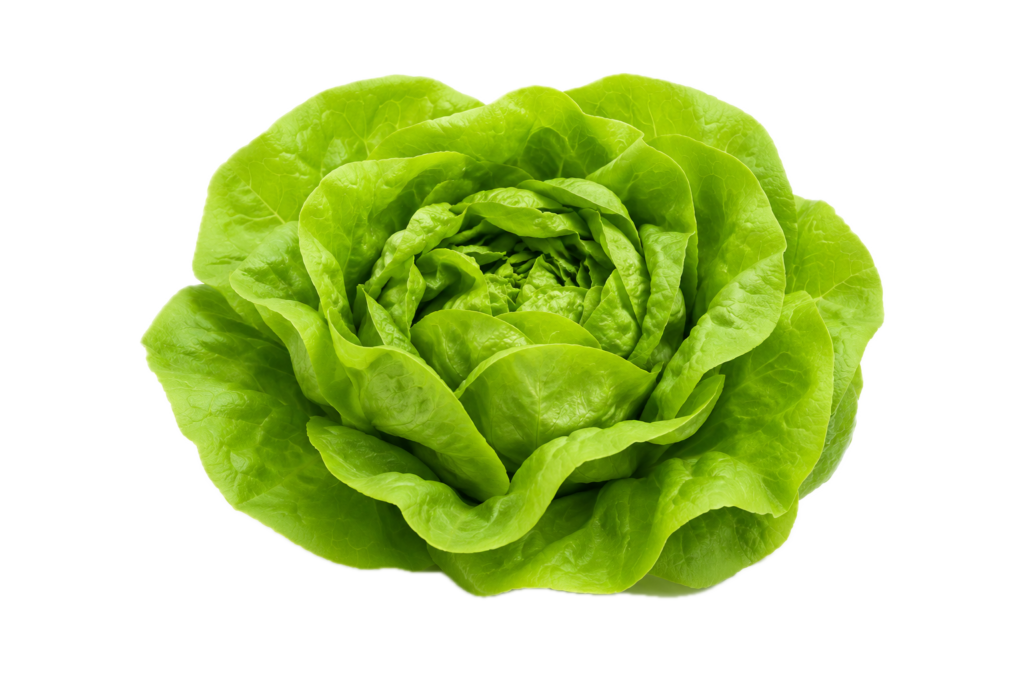
Boston Bibb lettuce is a premium butterhead lettuce variety valued for its soft texture, delicate flavor, and tender leaves. It is an important commodity in fresh produce markets and is commonly used in both retail and food service sectors. Boston Bibb is widely preferred for salads, wraps, and specialty culinary applications due to its attractive appearance and mild taste.
Key Characteristics
Boston Bibb lettuce forms small to medium-sized loose heads with broad, soft leaves that overlap gently. The leaves are light to medium green with a smooth, tender texture and flexible structure. Flavor is mild, slightly sweet, and buttery. Boston Bibb lettuce is non-climacteric and does not continue to develop after harvest.
Nutritional Value
Boston Bibb lettuce is low in calories and provides dietary fiber. It contains vitamins A, C, and K, along with small amounts of folate, potassium, and antioxidants. Its high water content contributes to hydration and supports a balanced diet.
Seasonality and Origin
Boston Bibb lettuce is grown in temperate climates and is available year-round due to continuous cultivation and greenhouse production. Major growing regions include the United States, Europe, and controlled-environment agricultural systems. Its shorter growth cycle supports regular market supply.
Common Applications
• Fresh salads
• Sandwiches and wraps
• Garnishing
• Lettuce cups and wraps
• Gourmet presentations
• Cold culinary preparations
Storage and Handling
Proper handling is essential because of its delicate leaf structure.
• Recommended storage temperature: 32°F to 36°F
• Relative humidity: 95–100%
• Shelf life: 5–7 days under optimal conditions
• Store in moisture-retentive packaging
• Keep refrigerated at all times
• Avoid exposure to ethylene-producing commodities
• Handle gently to prevent bruising and wilting
Origin and Background
Boston Bibb lettuce originated from butterhead-type lettuce varieties and was developed for its soft texture and improved head size. It has become widely cultivated due to its desirable flavor and appearance. Modern production focuses on improving leaf quality, uniformity, and shelf life.
Grades and Quality Standards
Extra Fancy Grade
• Fresh, tender leaves with uniform head formation
• Bright green color with no yellowing or wilting
• Clean and free from defects
Fancy Grade
• Slight variations in size and appearance
• Minor cosmetic imperfections allowed
• Suitable for retail distribution
Commercial / Processing Grade
• Visible defects permitted
• May include older or slightly damaged leaves
• Used for salad mixes and bulk applications