
Product Overview
Blueberries are a highly valued berry crop in global produce markets, known for their sweet flavor, nutritional benefits, and versatility. They are widely distributed in both fresh and processed forms, serving retail and food service sectors. Due to increasing consumer demand and year-round availability from multiple growing regions, blueberries are a key commodity in the international fruit trade.
Key Characteristics
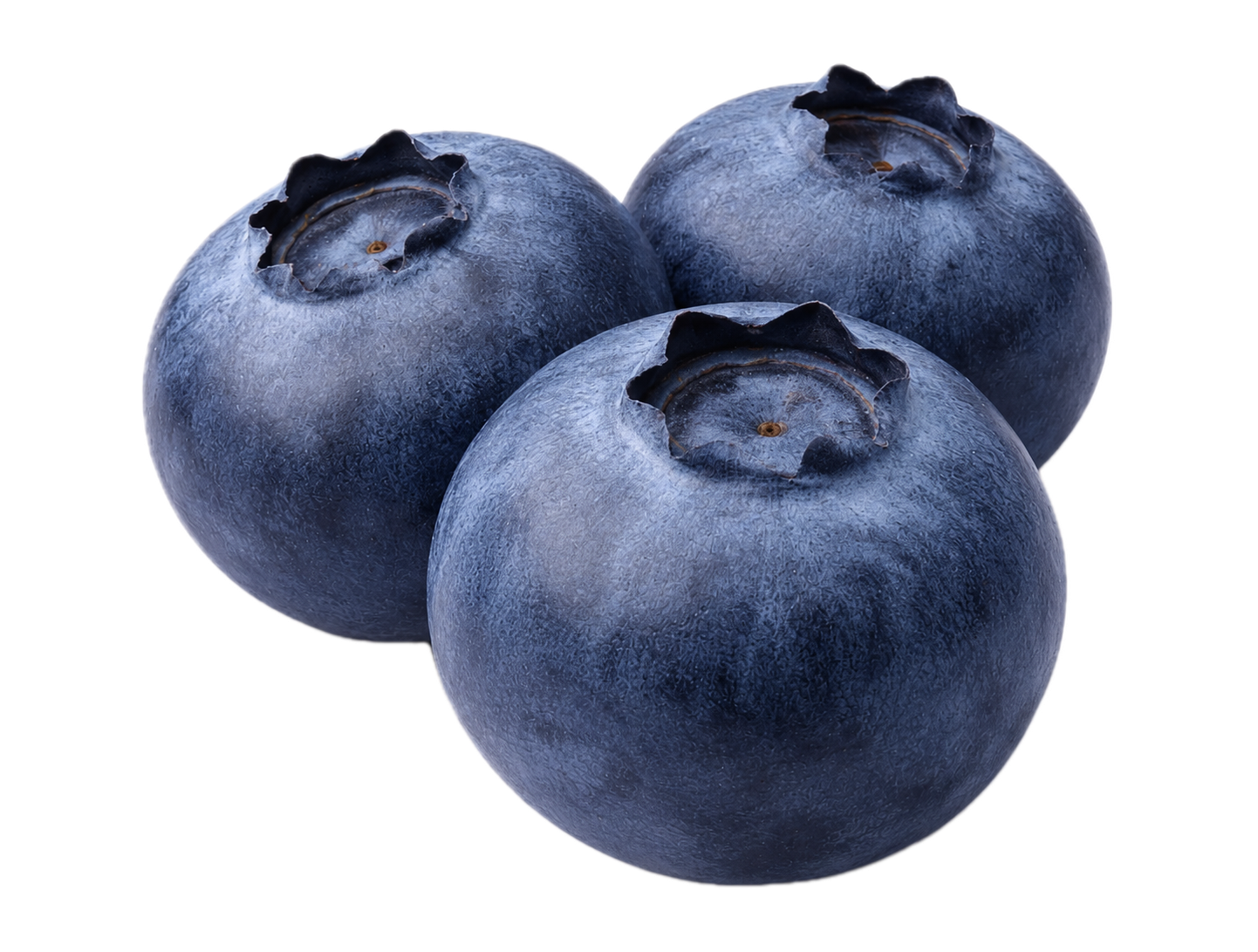
Blueberries are small, round berries with a smooth skin and a characteristic blue to deep purple color, often covered with a natural waxy bloom. The flesh is juicy and tender, with tiny edible seeds. Flavor ranges from mildly sweet to tangy depending on the variety and maturity. Blueberries are non-climacteric fruits and do not ripen further after harvest.
Nutritional Value
Blueberries are recognized for their high antioxidant content, particularly anthocyanins. They are a good source of vitamin C, vitamin K, and dietary fiber. Blueberries also provide manganese and other beneficial plant compounds, contributing to overall health and wellness.
Seasonality and Origin
Blueberries are grown in temperate regions across the world. In the United States, peak production occurs from late spring through summer, with major growing areas including Michigan, Oregon, Washington, and Georgia. Globally, key producers include Canada, Chile, Peru, and Spain. Due to staggered production cycles, blueberries are available year-round in global markets.
Common Applications
• Fresh consumption
• Bakery products (muffins, pies, pancakes)
• Smoothies and beverages
• Jams and preserves
• Desserts and confectionery
• Frozen and processed products
Storage and Handling
Proper handling is essential to maintain quality and extend shelf life.
• Recommended storage temperature: 32°F to 34°F
• Relative humidity: 90–95%
• Shelf life: 1–2 weeks under optimal conditions
• Do not wash before storage; wash prior to use
• Handle gently to avoid bruising
• Maintain cold chain to reduce decay
• Store in ventilated packaging
Origin and Background
Blueberries are native to North America and have been consumed for centuries. Commercial cultivation expanded in the 20th century with the development of highbush varieties. Today, blueberries are cultivated globally, with breeding programs focused on improving fruit size, flavor, firmness, and shelf life.
Grades and Quality Standards
| U.S. Grade Standards | Days Since Shipment | % of Defects Allowed | Optimum Transit Temp. (F) |
| 12-6-2 | 5 4 3 2 1 | 15-8-3 14-8-3 13-7-2 13-6-2 12-6-2 | 31-32° |
Extra Fancy Grade
• Uniform size and color
• Firm, plump berries with natural bloom
• Free from defects, decay, and leakage
Fancy Grade
• Slight variations in size and appearance
• Minor defects permitted
• Suitable for retail distribution
Commercial / Processing Grade
• Visible defects allowed
• May include softer berries
• Used for processing into juices, jams, and frozen products