
Product Overview
Black pepper is one of the world’s most widely traded and consumed spices, valued for its pungent flavor, aromatic qualities, and versatility across culinary and food processing applications. Derived from the dried unripe berries of the Piper nigrum vine, black pepper is a staple ingredient in households, food service operations, and industrial food manufacturing. Its strong global demand and long shelf life make it a significant commodity in international spice markets.
Key Characteristics
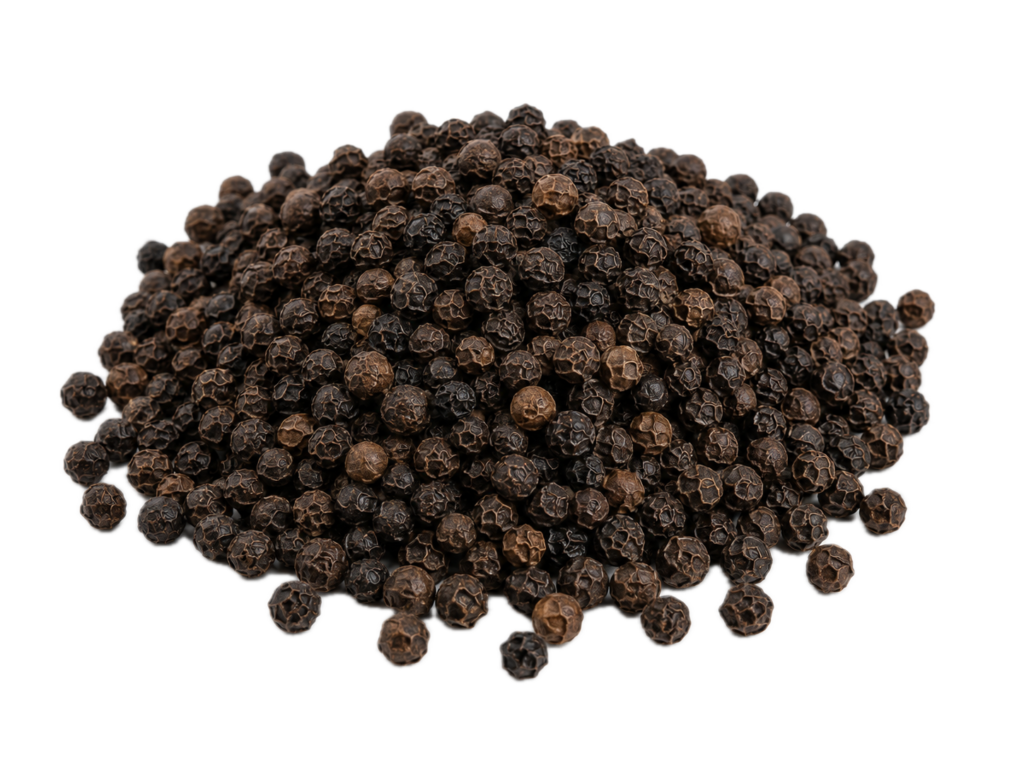
Black pepper consists of small, round peppercorns with a wrinkled black to dark brown exterior. It possesses a sharp, pungent flavor and distinctive aroma resulting from the naturally occurring compound piperine and various essential oils. Peppercorn size, density, and aroma intensity can vary depending on growing conditions, harvest maturity, and processing methods. Properly dried black pepper maintains its flavor and quality for extended periods.
Nutritional Value
Black pepper is low in calories and contains small amounts of dietary fiber. It provides minerals such as manganese, iron, potassium, and magnesium. Black pepper also contains antioxidants and bioactive compounds, particularly piperine, which is recognized for its potential digestive and nutrient absorption benefits.
Seasonality and Origin
Peak Harvest Season: December to March (varies by region)
Black pepper is cultivated in tropical climates around the world. Major producing countries include India, Vietnam, Brazil, Indonesia, Sri Lanka, and Malaysia. Due to drying and storage capabilities, black pepper is available year-round in global markets.
Common Applications
• Culinary seasoning
• Spice blends and rubs
• Food manufacturing
• Sauces and marinades
• Pickling and preservation
• Processed meat products
• Traditional herbal preparations
Storage and Handling
Proper storage is essential to preserve aroma, flavor, and product quality.
• Recommended storage temperature: 50°F to 68°F
• Relative humidity: Below 65%
• Shelf life: Up to 2–3 years under optimal conditions
• Store in a cool, dry, and well-ventilated area
• Protect from direct sunlight and moisture
• Keep containers tightly sealed to preserve essential oils
• Avoid exposure to strong odors that may affect quality
Origin and Background
Black pepper originated in the tropical forests of southwestern India, particularly along the Malabar Coast. For centuries, it has been one of the most valuable spices in global trade and was historically known as “black gold” due to its economic significance. The cultivation of black pepper eventually spread throughout Southeast Asia and other tropical regions. Modern production focuses on improving yield, disease resistance, and quality consistency while meeting international food safety standards.
Grades and Quality Standards
Extra Fancy Grade
• Uniform peppercorn size and color
• High density and essential oil content
• Strong aroma and pungency
• Free from foreign material and contamination
Fancy Grade
• Slight variations in size and appearance
• Good flavor and aroma characteristics
• Minor imperfections permitted within industry standards
Commercial / Processing Grade
• Greater variation in size and color allowed
• May contain minor cosmetic defects
• Used in ground pepper production, spice blends, extracts, and food processing applications