
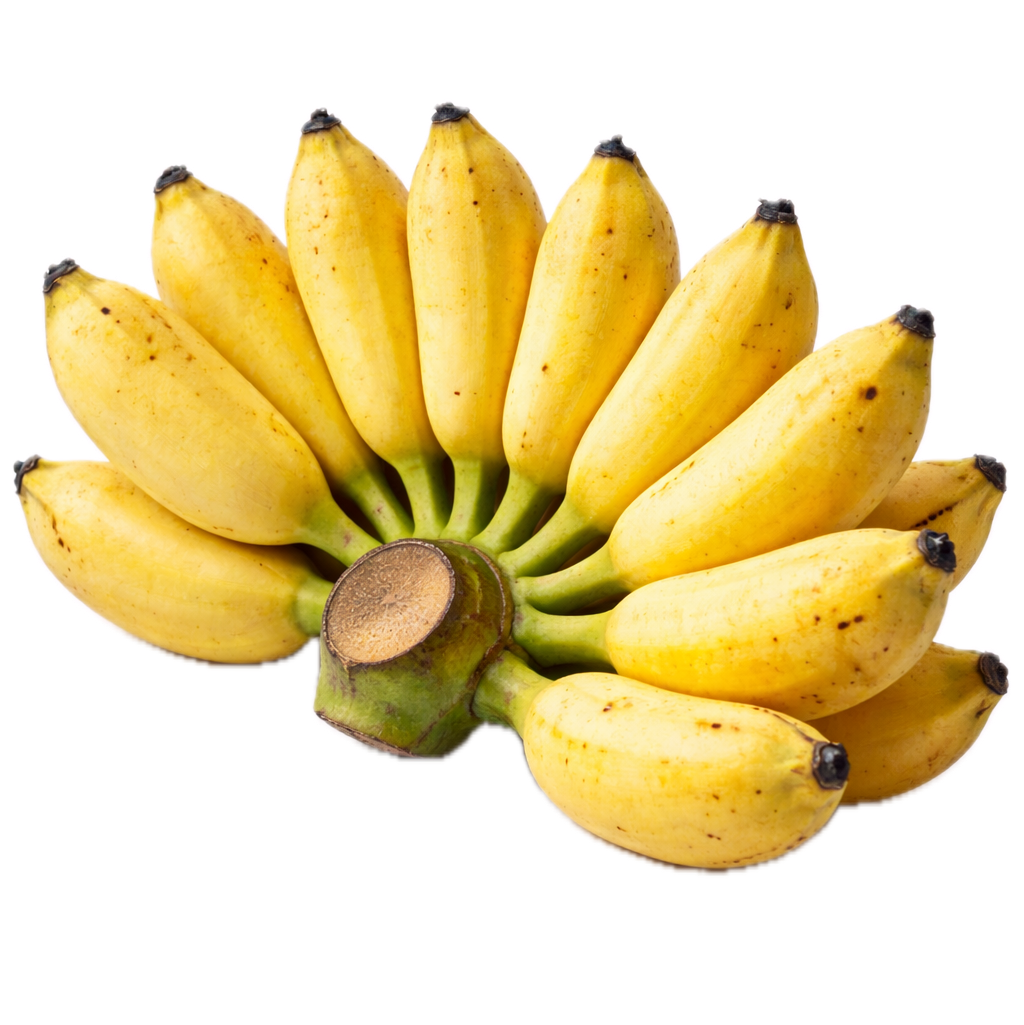
Product Overview
Bananas are one of the most widely traded fruits globally and a staple in both retail and food service sectors. Known for their natural sweetness, soft texture, and high nutritional value, bananas are consumed fresh and used extensively in processed products. Their consistent availability, ease of handling, and strong consumer demand make them a key commodity in international produce markets.
Key Characteristics
Bananas are elongated fruits with a soft, creamy flesh enclosed in a peel that changes from green to yellow as it ripens. Flavor ranges from mildly sweet to rich and sugary depending on variety and ripeness. Texture transitions from firm when unripe to smooth and soft when fully ripe. Bananas are climacteric fruits, meaning they continue to ripen after harvest due to ethylene production.
Nutritional Value
Bananas are a rich source of potassium, vitamin C, and vitamin B6. They also provide dietary fiber and natural sugars, making them a quick energy source. Their low fat content and easy digestibility contribute to their popularity across all age groups.
Seasonality and Origin
Bananas are grown year-round in tropical and subtropical regions. Major producing countries include India, Ecuador, the Philippines, Brazil, and Costa Rica. Due to continuous production cycles, bananas are consistently available in global markets throughout the year.
Common Applications
• Fresh consumption
• Smoothies and beverages
• Baking (banana bread, muffins, cakes)
• Desserts and confectionery
• Cooking (fried bananas, curries in some cuisines)
• Baby food and purees
Storage and Handling
Proper handling is essential to control ripening and maintain quality.
• Recommended storage temperature: 56°F to 58°F (for green bananas)
• Avoid temperatures below 55°F to prevent chilling injury
• Relative humidity: 90–95%
• Store away from ethylene-sensitive produce during ripening
• Use controlled ripening rooms with ethylene exposure when needed
• Handle carefully to prevent bruising and skin damage
Origin and Background
Bananas are believed to have originated in Southeast Asia and have been cultivated for thousands of years. Over time, they spread across tropical regions worldwide. Modern commercial banana production focuses on disease resistance, yield consistency, and suitability for export markets, with the Cavendish variety dominating global trade.
Grades and Quality Standards
Extra Fancy Grade
• Uniform size, shape, and color
• Free from blemishes, bruising, and defects
• Optimal maturity and firmness
Fancy Grade
• Minor variations in size and appearance
• Slight cosmetic imperfections allowed
• Suitable for general retail distribution
Commercial / Processing Grade
• Visible defects permitted
• Maintains internal quality
• Used for processing, cooking, and industrial applications
Types of Banana
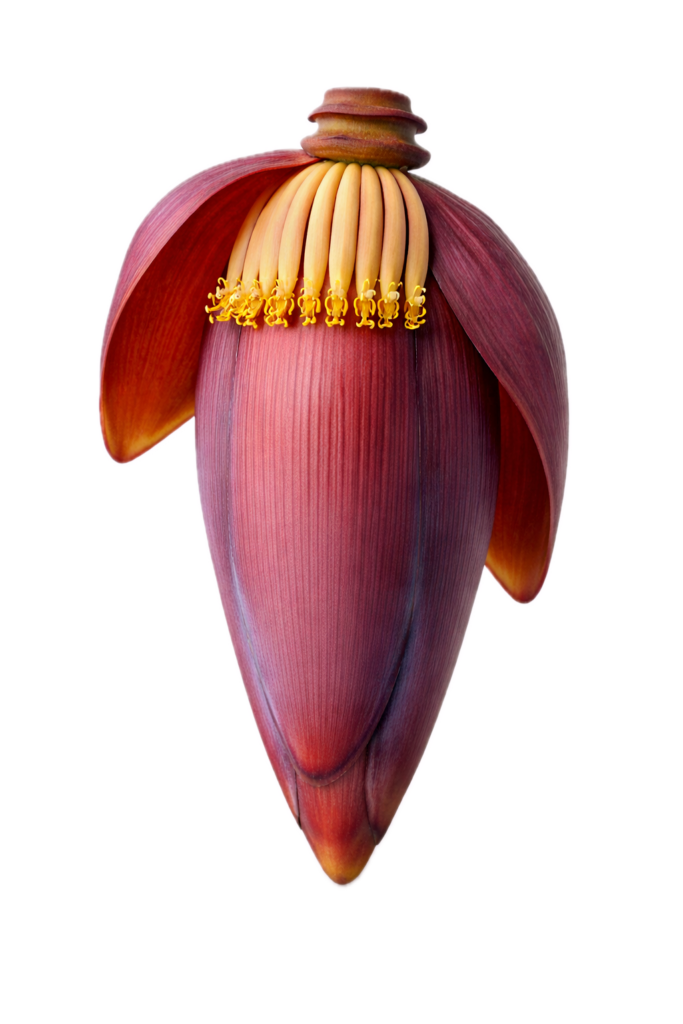
Banana Flower
Banana flower, also known as banana blossom, is the edible flower of the banana plant. It is deep purple in color with layered petals and has a firm, fibrous texture. Commonly used in Asian cuisines, it is prepared in curries, salads, and fritters. It has a mildly bitter taste that becomes neutral after cooking and is valued for its versatility in savory dishes.
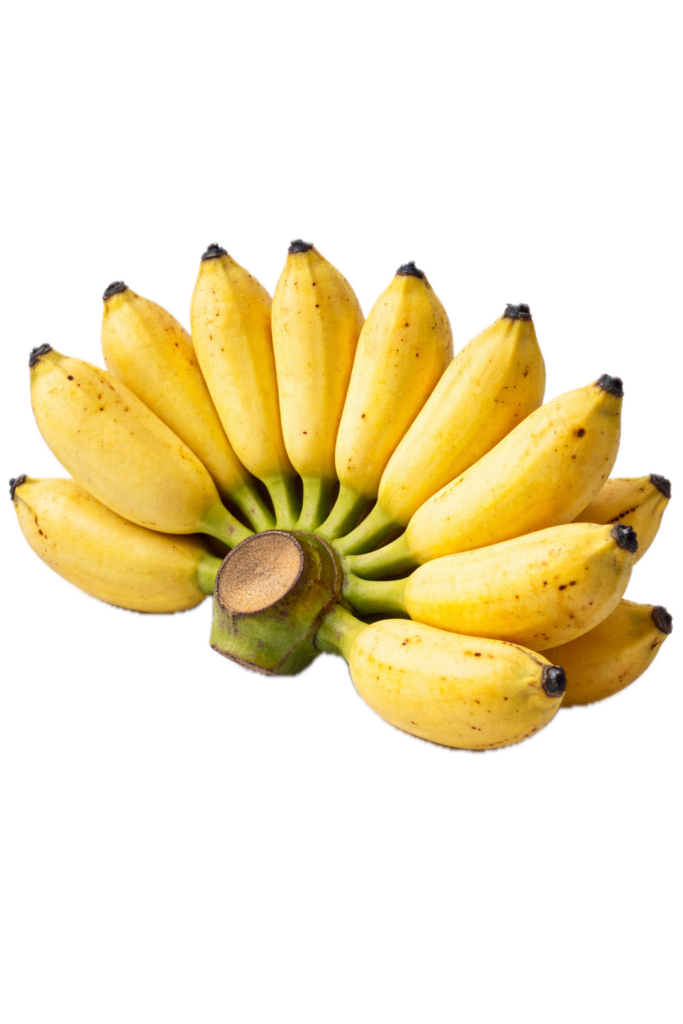
Banana – Thai
Thai bananas typically refer to smaller, sweeter varieties commonly grown in Thailand. They have a thinner peel and a rich, aromatic flavor compared to standard Cavendish bananas. Often used in desserts, frying, and traditional Thai dishes, they are popular for their natural sweetness and soft texture.