
Product Overview
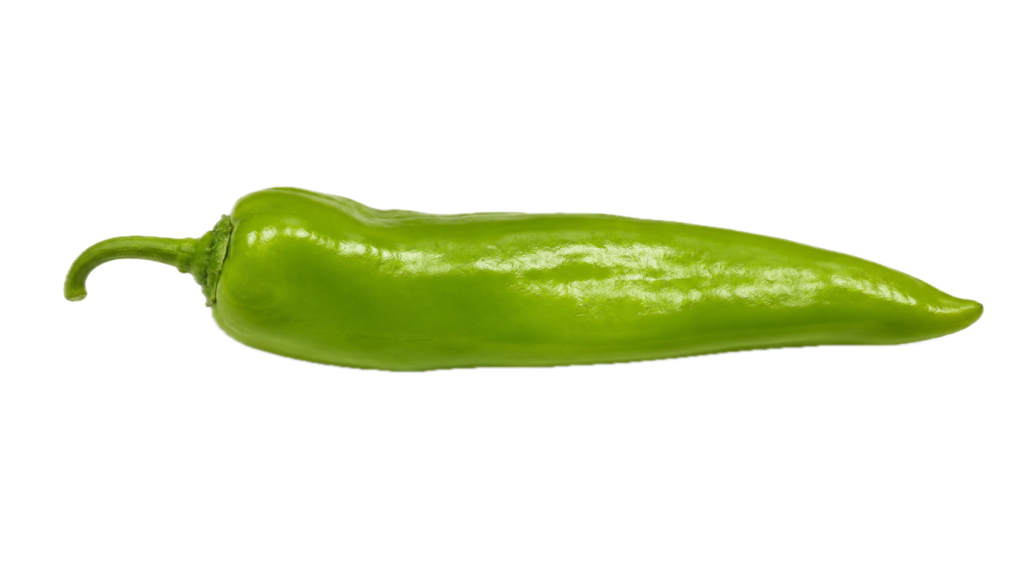
Anaheim pepper is a mild chili variety widely used in fresh and cooked culinary applications. It is valued for its large size, mild heat level, and versatility in both traditional and modern cuisines. Anaheim peppers are a key commodity in fresh produce markets, commonly used in retail, food service, and processing industries.
Key Characteristics
Anaheim peppers are long, slightly curved, and tapering pods with a smooth surface. They are typically green when immature and may turn red upon full ripening. The flesh is thick and tender, with a mild heat level and slightly sweet, earthy flavor. Texture is crisp when fresh and softens when cooked.
Nutritional Value
Anaheim peppers are low in calories and provide vitamin C, vitamin A, and antioxidants. They also contain small amounts of dietary fiber and beneficial plant compounds, making them suitable for balanced diets.
Seasonality and Origin
Anaheim peppers are grown in warm climates, with major production in the United States, Mexico, and parts of Central America. They are typically harvested during warmer seasons but are available year-round through global supply chains.
Common Applications
• Roasting and grilling
• Stuffed pepper dishes
• Salsas and sauces
• Soups and stews
• Fresh consumption in salads
• Traditional and regional recipes
Storage and Handling
Proper storage is essential to maintain freshness and quality.
• Recommended storage temperature: 45°F to 50°F
• Relative humidity: 90–95%
• Store in perforated bags or containers
• Keep refrigerated to maintain firmness
• Avoid excess moisture to prevent decay
• Handle carefully to prevent bruising
Origin and Background
Anaheim peppers originated in New Mexico and were later popularized in California. They have become a staple in Southwestern and Mexican cuisines. Modern cultivation focuses on size, mild heat level, and consistent yield.
Grades and Quality Standards
Extra Fancy Grade
• Smooth, firm pods
• Bright green or red color
• Uniform size and shape
• Free from blemishes and damage
Fancy Grade
• Minor variations in size and appearance
• Slight surface imperfections allowed
• Suitable for retail and food service
Commercial / Processing Grade
• Visible defects permitted
• May include irregular or slightly damaged pods
• Used for processing and bulk cooking