
Product Overview
Papaya Maradol is a commercially important papaya variety widely traded in fresh markets, particularly in North and Central America. It is valued for its large size, vibrant flesh color, and sweet flavor. Maradol papayas are primarily consumed fresh and are a key commodity in retail and food service sectors due to their consistent quality and consumer demand.
Key Characteristics
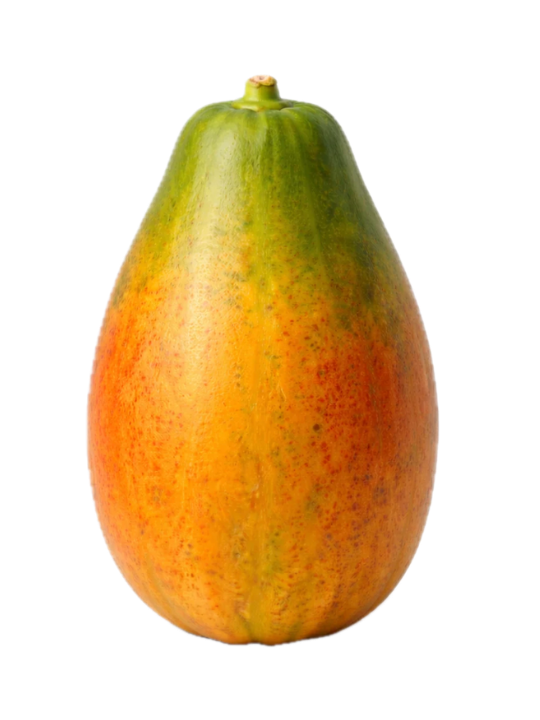
Papaya Maradol is a large, oval to elongated fruit with smooth skin that transitions from green to yellow as it ripens. The flesh is deep orange to reddish in color, soft, and juicy, surrounding a central cavity filled with black seeds. Flavor is sweet and mildly musky. Texture is smooth and buttery when ripe. Papayas are climacteric fruits and continue to ripen after harvest.
Nutritional Value
Papaya Maradol is rich in vitamin C and provides vitamin A, dietary fiber, and antioxidants such as beta-carotene. It also contains enzymes like papain that aid digestion. The fruit is low in fat and contributes to hydration due to its high water content.
Seasonality and Origin
Papaya Maradol is grown in tropical regions, with Mexico being a primary producer for export markets. It is available year-round due to continuous cultivation cycles. Other producing regions include parts of Central America and the Caribbean.
Common Applications
• Fresh consumption
• Fruit salads
• Smoothies and beverages
• Desserts and confectionery
• Breakfast preparations
• Culinary presentations
Storage and Handling
Proper handling is essential to manage ripening and maintain quality.
• Recommended storage temperature: 50°F to 55°F
• Relative humidity: 85–90%
• Shelf life: 1–2 weeks depending on ripeness
• Ripen at room temperature if unripe
• Refrigerate once ripe to slow softening
• Handle carefully to prevent bruising
• Store away from ethylene-sensitive produce
Origin and Background
Papaya Maradol originated in Mexico and has become one of the most widely cultivated papaya varieties for export. It is favored for its large fruit size, attractive color, and consistent sweetness. Modern production focuses on yield, uniformity, and resistance to handling damage.
Grades and Quality Standards
Extra Fancy Grade
• Uniform size, shape, and color
• Smooth skin free from blemishes
• Proper maturity and firmness
Fancy Grade
• Minor variations in size and appearance
• Slight cosmetic imperfections allowed
• Suitable for retail distribution
Commercial / Processing Grade
• Visible defects permitted
• May include surface damage or uneven ripening
• Used for processing and foodservice applications