
Product Overview
Kiwi, also known as kiwifruit, is a widely traded fruit valued for its unique flavor, vibrant interior, and high nutritional content. It is marketed primarily for fresh consumption and is an important commodity in global produce markets. Due to its strong demand and extended storage capability, kiwi is a key fruit in both retail and food service sectors.
Key Characteristics
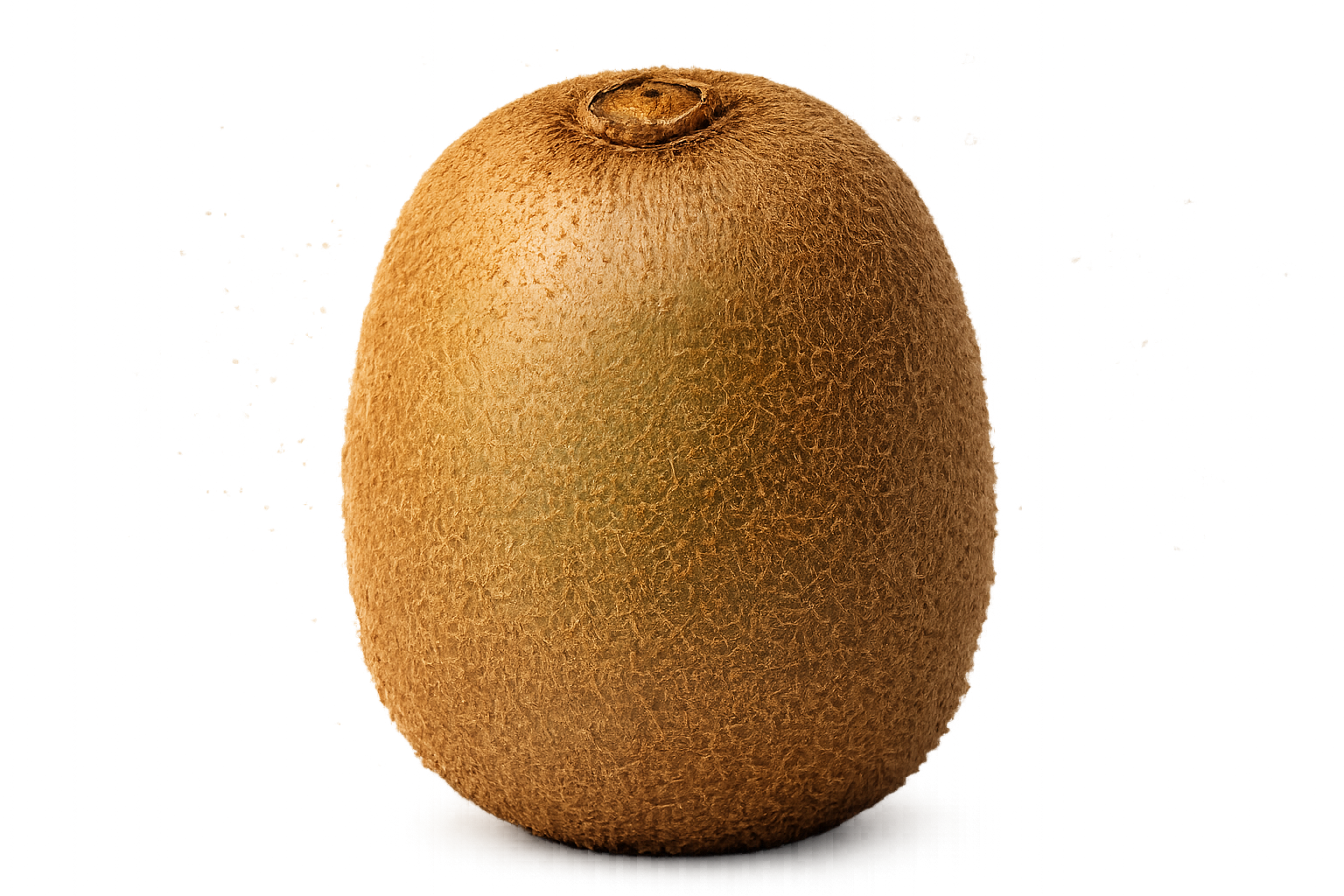
Kiwi is a small to medium-sized oval fruit with a thin, brown, fuzzy skin. The interior flesh is bright green with a central ring of small black edible seeds. Texture is soft and juicy when ripe. Flavor is sweet-tart and refreshing. Kiwi is climacteric and continues to ripen after harvest.
Nutritional Value
Kiwi is highly nutritious and rich in vitamin C, often exceeding citrus fruits. It provides dietary fiber, vitamin K, and vitamin E. Kiwi also contains antioxidants and potassium, contributing to immune support and overall health.
Seasonality and Origin
Kiwi is grown in temperate regions with suitable climates. Major producing countries include China, New Zealand, Italy, and Chile. In global markets, availability is extended through staggered harvests between hemispheres, ensuring year-round supply.
Common Applications
• Fresh consumption
• Fruit salads
• Smoothies and beverages
• Desserts and toppings
• Garnishing
• Processed products
Storage and Handling
Proper handling is essential to maintain firmness and extend shelf life.
• Recommended storage temperature: 32°F to 35°F
• Relative humidity: 90–95%
• Shelf life: 2–4 weeks or longer under controlled conditions
• Ripen at room temperature if firm
• Store away from ethylene-sensitive produce during ripening
• Handle gently to prevent bruising
• Refrigerate once ripe to slow softening
Origin and Background
Kiwi originated in China and was later commercialized in New Zealand, where it gained its global name. It has since become a major international fruit crop. Modern production focuses on improving fruit size, sweetness, storage life, and resistance to handling damage.
Grades and Quality Standards
| U.S. Grade Standards | Days Since Shipment | % of Defects Allowed | Optimum Transit Temp. (°F) |
| 12-6-2 | 5 4 3 2 1 | 15-8-3 14-8-3 13-7-2 13-6-2 12-6-2 | 32° |
Extra Fancy Grade
• Uniform size, shape, and brown skin
• Firm fruit with no defects
• Proper maturity
Fancy Grade
• Minor variations in size and appearance
• Slight cosmetic imperfections allowed
• Suitable for retail distribution
Commercial / Processing Grade
• Visible defects permitted
• May include softer fruit
• Used for processing and foodservice applications