
Product Overview
Blackberries are one of the most commercially important berries in the global produce industry, valued for their rich flavor, deep color, and high nutritional content. They are widely distributed in both fresh and processed forms, serving retail and food service markets. Due to their delicate structure and short shelf life, blackberries are considered a premium commodity requiring careful postharvest handling.
Key Characteristics
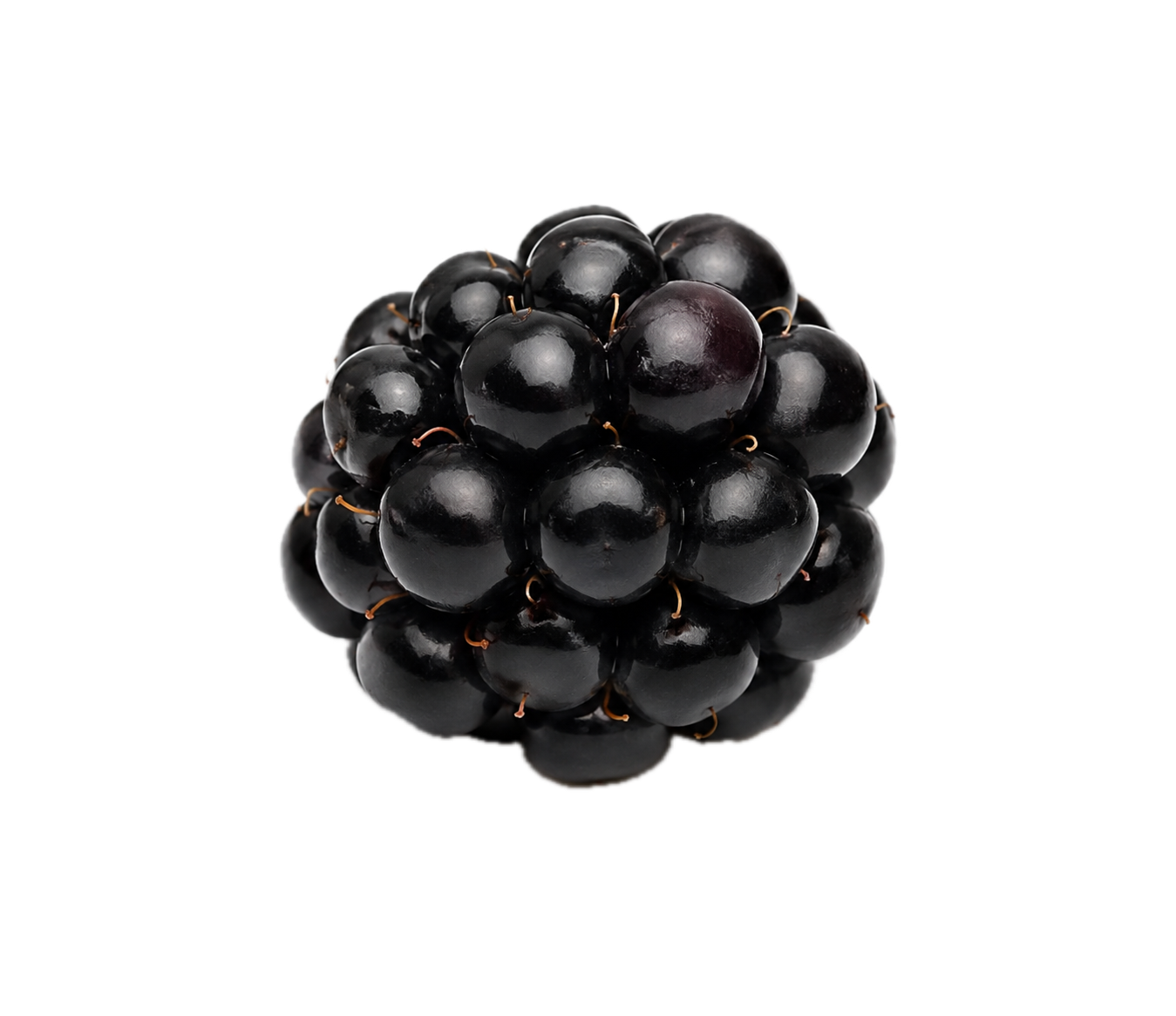
Blackberries are aggregate fruits composed of multiple drupelets attached to a central edible core. They are typically round to elongated in shape and develop a deep purple to black glossy appearance when fully ripe. Flavor ranges from tart to sweet depending on the variety and maturity. Texture is juicy and tender, with small edible seeds present in each drupelet. Blackberries are non-climacteric fruits, meaning they do not ripen further after harvest.
Nutritional Value
Blackberries are a nutrient-dense fruit known for their antioxidant properties. They are rich in vitamin C, vitamin K, and dietary fiber. The presence of anthocyanins contributes to their dark color and provides antioxidant benefits. Blackberries also supply manganese and are low in fat and calories.
Seasonality and Origin
Blackberries are cultivated in temperate regions and are supplied from multiple global production areas. In the United States, peak production occurs from late spring through summer, particularly in California, Oregon, and Georgia. Mexico is a major supplier during winter and early spring. Other key producing countries include Chile, Serbia, and Spain, enabling near year-round availability in international markets.
Common Applications
• Fresh consumption
• Bakery products (pies, tarts, muffins)
• Jams, jellies, and preserves
• Smoothies and beverages
• Desserts and confectionery
• Sauces and culinary applications
Storage and Handling
Proper handling is critical due to the highly perishable nature of blackberries.
• Recommended storage temperature: 32°F
• Relative humidity: 90–95%
• Shelf life: 2–5 days under optimal conditions
• Avoid washing before storage; wash before consumption
• Handle gently to prevent crushing and leakage
• Maintain cold chain to reduce decay and mold growth
• Keep away from high ethylene-producing commodities
Origin and Background
Blackberries are native to Europe and North America and have been used for centuries in both wild and cultivated forms. Commercial production has expanded with the development of improved cultivars, including thornless and high-yielding varieties. Modern breeding focuses on enhancing fruit firmness, shelf life, flavor, and disease resistance to meet global market demands.
Grades and Quality Standards
| U.S. Grade Standards | Days Since Shipment | % of Defects Allowed | Optimum Transit Temp. (°F) |
| 10-5-1 | 5 4 3 2 1 | 15-8-3 14-8-3 13-7-2 11-6-1 10-6-1 | 31-32° |
Extra Fancy Grade
• Uniform size, shape, and color
• Free from blemishes, bruising, and defects
• Optimal maturity and firmness
Fancy Grade
• Minor variations in size and appearance
• Slight cosmetic imperfections allowed
• Suitable for retail distribution
Commercial / Processing Grade
• Visible defects permitted
• Maintains internal quality
• Used for processing into jams, juices, and other products