
Product Overview
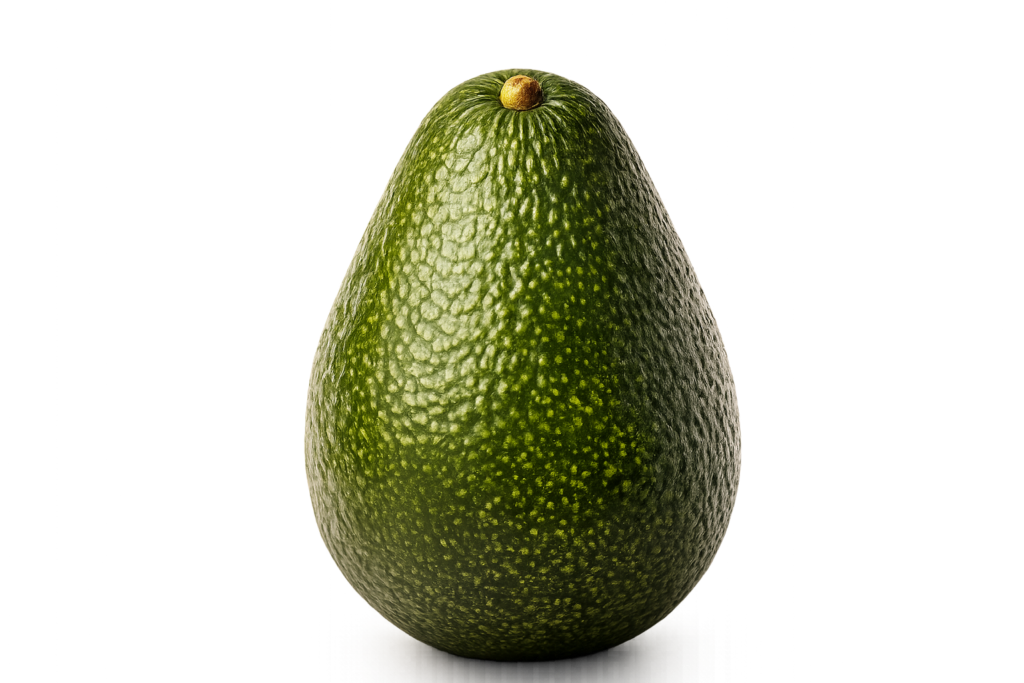
Avocados are a high-value fruit widely traded in global produce markets, known for their creamy texture, rich flavor, and nutritional benefits. They are consumed fresh and used extensively in food service and processed applications. Due to strong consumer demand and year-round availability from multiple growing regions, avocados are a key commodity in international trade.
Key Characteristics
Avocados are pear-shaped to oval fruits with a thick outer skin that varies from smooth green to rough dark green or black depending on the variety. The flesh is creamy, buttery, and pale green to yellow in color, surrounding a single large seed. Flavor is mild, nutty, and rich. Avocados are climacteric fruits, meaning they continue to ripen after harvest.
Nutritional Value
Avocados are nutrient-dense and known for their healthy fat content, particularly monounsaturated fats. They are a good source of dietary fiber, vitamin K, vitamin E, vitamin C, and B vitamins including folate. Avocados also provide potassium and antioxidants, contributing to heart health and overall nutrition.
Seasonality and Origin
Avocados are grown in tropical and subtropical regions and are available year-round due to staggered production cycles. Major producing countries include Mexico, the United States (California), Peru, Chile, and Colombia. Mexico is the leading exporter, supplying global markets consistently throughout the year.
Common Applications
• Fresh consumption
• Salads and sandwiches
• Guacamole and dips
• Smoothies and beverages
• Spreads and toppings
• Culinary and gourmet dishes
Storage and Handling
Proper handling is essential to manage ripening and maintain quality.
• Recommended storage temperature: 40°F to 45°F (mature green stage)
• Relative humidity: 85–90%
• Shelf life: 1–2 weeks depending on ripeness
• Ripen at room temperature after removal from cold storage
• Avoid excessive pressure to prevent bruising
• Use ethylene management for controlled ripening
• Store away from strong odors
Origin and Background
Avocados originated in Central and South America and have been cultivated for thousands of years. They were domesticated by ancient civilizations and later spread globally. Modern production focuses on improving yield, shelf life, and resistance to pests and diseases, with varieties like Hass dominating international markets.
Grades and Quality Standards
| U.S. Grade Standards | Days Since Shipment | % of Defects Allowed | Optimum Transit Temp. (°F) |
| 10-5-1 | 5 4 3 2 1 | 15-8-3 14-8-3 13-7-2 11-6-1 10-5-1 | 40-55° |
Extra Fancy Grade
• Uniform size, shape, and color
• Free from blemishes, bruising, and defects
• Proper maturity and firmness
Fancy Grade
• Minor variations in size and appearance
• Slight cosmetic imperfections allowed
• Suitable for retail distribution
Commercial / Processing Grade
• Visible defects permitted
• Maintains internal quality
• Used for processing and foodservice applications