
Product Overview
Lila malanga is a tropical root vegetable belonging to the Xanthosoma genus and is widely cultivated for its starchy corms and culinary versatility. It is valued for its distinctive purple-lavender skin coloration, dense texture, and mild earthy flavor. Lila malanga is commonly marketed in fresh produce channels and is utilized in retail, food service, and food processing sectors throughout the Caribbean, Central America, South America, and specialty produce markets.
Key Characteristics
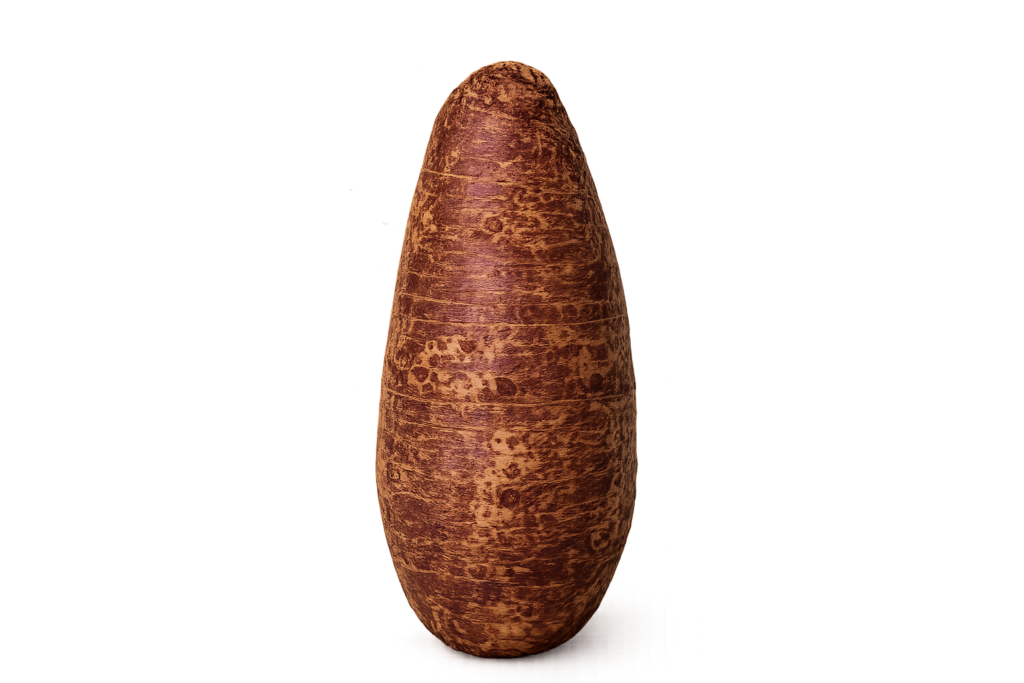
Lila malanga produces medium to large corms with rough purple to lavender-colored skin and creamy white to pale-colored flesh. The flesh is dense, starchy, and firm when raw and later it becoming smooth and slightly creamy when cooked. Its flavor is mild, nutty, and earthy, making it suitable for a wide variety of culinary preparations. Like other malanga varieties, it must be cooked before consumption.
Nutritional Value
Lila malanga is a good source of complex carbohydrates and dietary fiber. It provides potassium, magnesium, phosphorus, and vitamin C, along with small amounts of calcium and iron. The corm is naturally low in fat and serves as an energy-rich staple food in many tropical regions.
Seasonality and Origin
Peak Season: Year-Round in Tropical Regions
Lila malanga is cultivated in tropical and subtropical climates. Major production areas include Cuba, the Dominican Republic, Puerto Rico, Costa Rica, and other Caribbean and Latin American countries. Due to continuous production cycles in tropical regions the lila malanga is generally available year-round.
Common Applications
• Boiled root vegetable dishes
• Soups and stews
• Mashed malanga preparations
• Fried chips and snacks
• Purees and side dishes
• Traditional Caribbean cuisine
• Food processing applications
Storage and Handling
Proper storage is essential to maintain quality and minimize spoilage.
• Recommended storage temperature: 45°F to 55°F
• Relative humidity: 85–90%
• Shelf life: 2–4 weeks under optimal conditions
• Store in a cool, dry, and well-ventilated area
• Avoid refrigeration below recommended temperatures to prevent chilling injury
• Protect from excessive moisture and condensation
• Handle carefully to prevent cuts and bruising
• Remove damaged corms promptly to reduce spoilage
Origin and Background
Malanga originated in tropical regions of Central and South America and has been cultivated for centuries as a staple root crop. Lila malanga is one of several cultivated varieties valued for its distinctive appearance and culinary qualities. The crop became an important food source throughout the Caribbean due to its adaptability, productivity, and nutritional value. Modern cultivation focuses on improving yield, disease resistance, uniformity, and postharvest quality.
Grades and Quality Standards
Extra Fancy Grade
• Uniform size, shape, and purple-lavender skin coloration
• Firm texture and high internal quality
• Free from cuts, bruises, decay, and insect damage
• Excellent appearance and freshness
Fancy Grade
• Slight variations in size, shape, and coloration permitted
• Minor cosmetic imperfections allowed
• Suitable for retail and food service distribution
Commercial / Processing Grade
• Greater variation in appearance and size allowed
• May contain minor surface defects or blemishes
• Used for processing, flour production, purees, frozen products, and food manufacturing applications